

MLB Owners and Players Start Talks for 2026 Season
The 2026-2027 MLB offseason will be about labor talks, not free agency or trades. It's about the business side of the sport.
The Collective Bargaining Agreement ends in December, and there are big disagreements between the league and players.
Owners and players are talking to avoid a work stoppage that could hurt baseball's progress.
Small market teams are doing well, which weakens owners' arguments for a salary cap.
League and player representatives met in New York to start talks. There's a lot to discuss before the 2026 season.
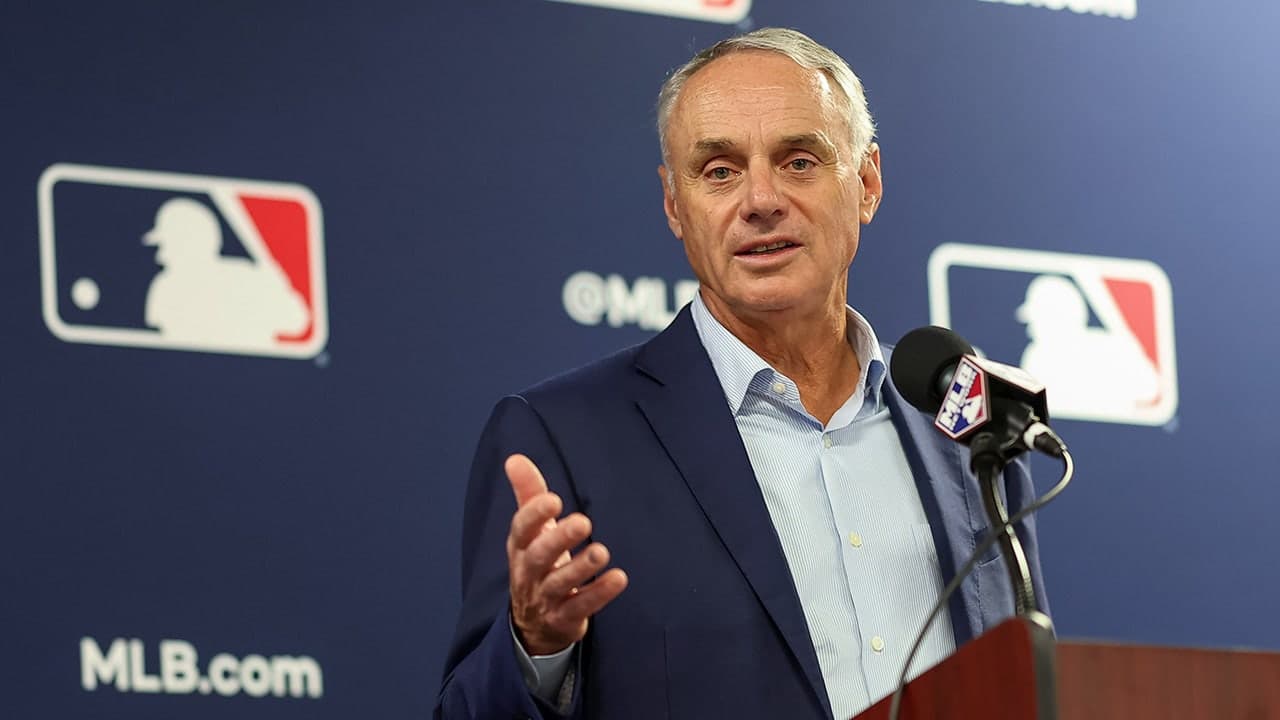
The MLB commissioner spoke about the state of the game. Now, it's time for owners and players to negotiate.
The first meeting was about setting the stage, not making formal proposals.
Both sides will outline their visions for the game's future. Then, they'll discuss the tough issues like money.
The league wants a salary cap, but the players don't. The first part of the 2026 season has shown that big spending doesn't guarantee success.
Owners think big market teams have an unfair advantage. They want a salary cap and floor to level the playing field.
The players don't want a salary cap. They think it limits their earning potential without helping competition.
There's evidence that the players are right. Big spending teams aren't always successful.
The Mets and Phillies have high payrolls but are struggling.
The Mets have a $370 million payroll but are one of the worst teams in baseball. They're 15-25 and 12.5 games out of first place.
The San Francisco Giants have a $200 million payroll but are also struggling. They're 17-24 and 7.5 games out of first place.
The Philadelphia Phillies have a nearly $300 million payroll but are 19-22 and nine games back in their division.
The Dodgers have a big payroll but are only in second place. Their big free-agent signing, Kyle Tucker, is not doing well.
The Tampa Bay Rays have a low payroll but are 27-13 and in first place. They have only one player making over $9 million.
The Athletics are in first place in the American League West. The Cleveland Guardians are first in the AL Central.
The San Diego Padres' record $3.9 billion sale shows that big market teams aren't the only valuable ones.
The teams in first place in each division don't all have big payrolls. This weakens the owners' argument for a salary cap.
The owners want to limit costs and increase their team's value. But the players don't want a salary cap.
The theory that spending less on contracts makes teams more valuable is not true. The Padres' sale proves this.
A salary cap would limit the free market and benefit owners, not players. This could lead to a lockout.
It's a long time before the Collective Bargaining Agreement ends. Hopefully, the talks will be successful.
The negotiations, presentations, and proposals have just started. The players and owners have a lot to discuss.