

NHS Explains How to Lower High Cholesterol
Cholesterol is necessary for good health, but too much can cause serious problems. About 59% of people have high cholesterol, which can lead to heart disease or strokes.
Some groups have a higher risk, including people over 50, men, women after menopause, and those from South Asia or sub-Saharan Africa. It can also be inherited.
Eating fatty foods, not exercising, being overweight, smoking, and drinking alcohol can increase the risk. However, simple changes can help reduce the risk and lower cholesterol levels.
Home-cooked meals can help prevent dementia, and running can save your life.
It affects some groups more.
The NHS says too much cholesterol can block blood vessels, making heart problems or strokes more likely. High cholesterol usually doesn't cause symptoms and can only be found with a blood test.
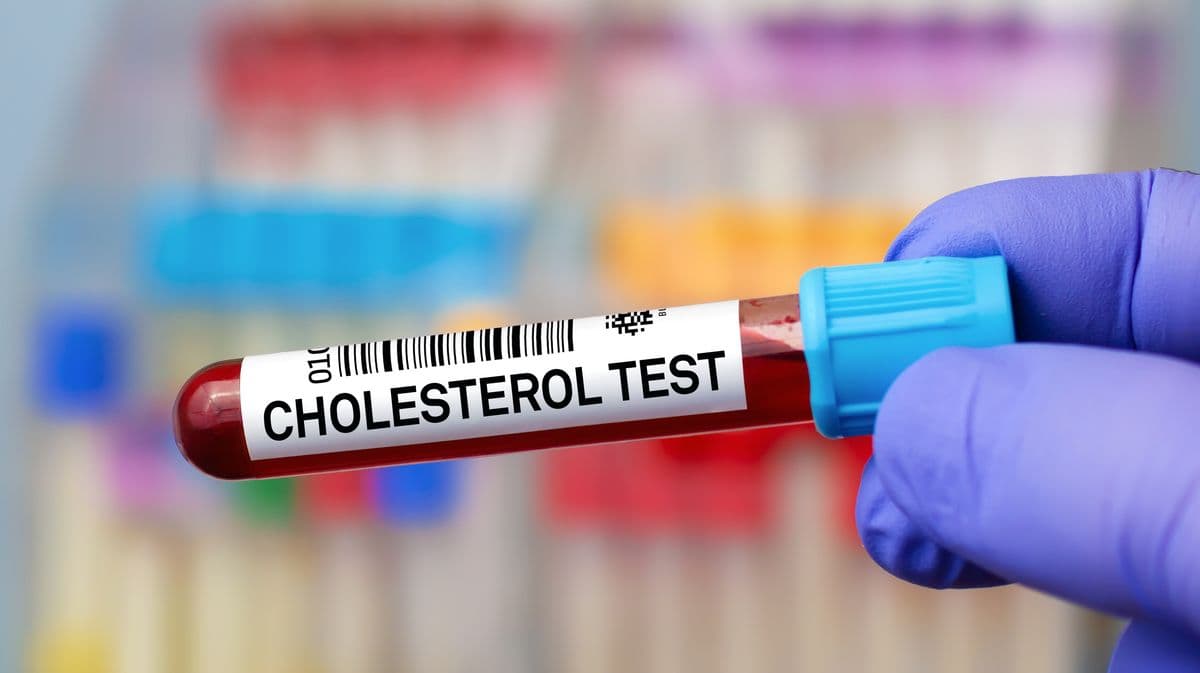
Cholesterol is measured with a blood test.
The test results are used with age, blood pressure, and other health conditions to estimate the risk of heart disease. A good cholesterol level depends on age, health conditions, and heart disease risk.
Some people may have different cholesterol levels due to illness, medication, or recent pregnancy. It usually doesn't matter if you've eaten before the test.
To reduce cholesterol, cut down on fatty foods, especially those with saturated fat. You can still eat foods with unsaturated fat.
Eat more fruits and vegetables.
A healthy diet can improve cholesterol levels.
Eat less fatty foods.
Do at least 150 minutes of moderate exercise or 75 minutes of vigorous exercise per week.
Try different exercises to find something you enjoy.
Smoking can raise cholesterol and increase the risk of heart attacks, strokes, and cancer.
Try to stop smoking.
Ask your doctor for help if you're struggling to cut down.