

Martin Lewis Gives State Pension Advice to 36-Year-Old Woman
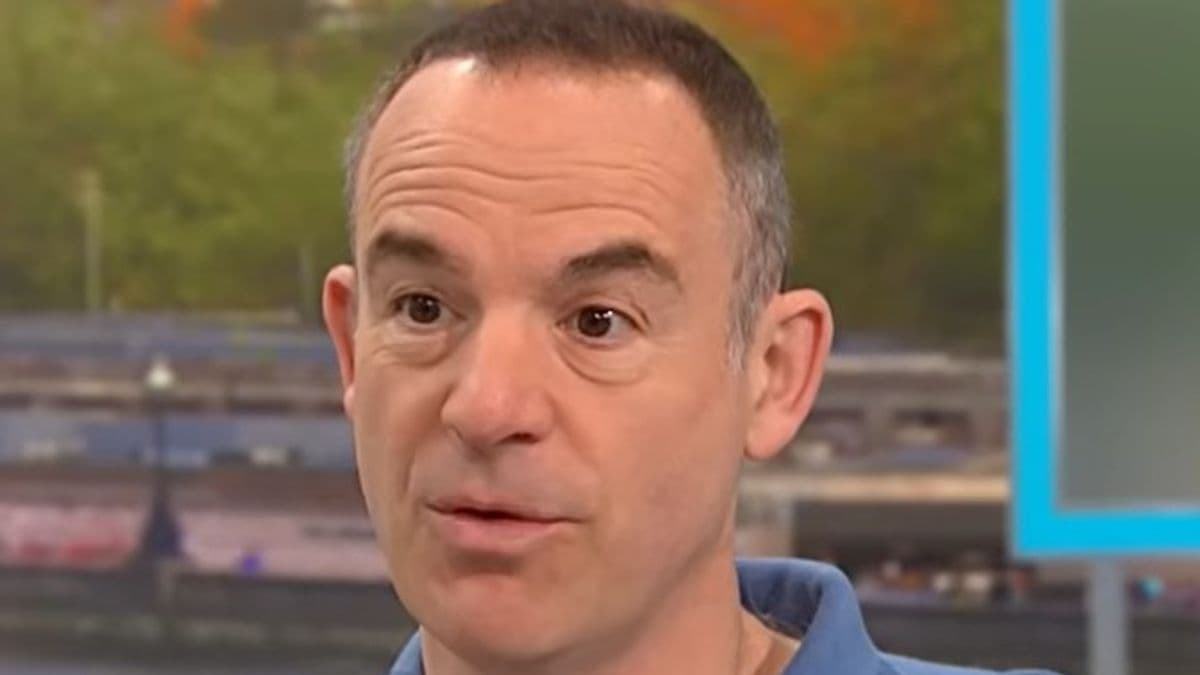
Martin Lewis advises a young woman that her state pension plan is 'overkill'. He explains the rules for state pension eligibility.
To get a state pension, you need 10 years of National Insurance contributions. For the full amount, you need about 35 years.
You can get a qualifying year by working and paying National Insurance. There are other ways to get it too.
Martin Lewis gives state pension advice to a young woman.
You can get a qualifying year from National Insurance credits if you were unemployed, ill, or a parent. You might also qualify if you lived or worked abroad.
Martin Lewis talks about paying voluntary National Insurance contributions. This is an alternative way to get a qualifying year.
Martin Lewis answers a listener's question about paying for gaps in National Insurance contributions. The listener wants to know if it's worth paying to fill the gaps.
The listener is 36 and wants to know if she should pay to fill two years of gaps. She has worked abroad and studied, and wants to know if it's worth paying now or later.
Martin Lewis says the listener's question is interesting. He looks at her circumstances and gives two important conclusions.
Martin Lewis advises the listener to check her pension projection. He wants to know if she will get the full state pension when she retires.
You need to meet certain rules for National Insurance contributions to get a state pension.
Martin Lewis says paying to fill gaps might be 'overkill' if the listener will get the full state pension anyway. He explains that getting more years of contributions doesn't increase the state pension.
Martin Lewis describes a situation where filling gaps might be beneficial. He says many people grumble about paying National Insurance when they already have enough contributions.
Martin Lewis explains that National Insurance is like a tax. It's a tax that helps you get a state pension when you're older.
If you're already on track to get the full state pension, you might not need to pay to fill gaps.
Martin Lewis says he would make an exception if the listener could buy years of contributions very cheaply. He gives an example of someone buying a part year for £15.
Normally, buying a year of contributions costs around £900. But if you can buy a part year for a low price, it might be worth it.
Martin Lewis advises the listener to consider the risks of paying to fill gaps. He says the state pension might become means-tested in the future.
Martin Lewis has a regular podcast on the BBC.
Martin Lewis says the future of state pensions is uncertain. He advises the listener to be cautious when making decisions about paying to fill gaps.
There are risks in paying to fill gaps now. Martin Lewis advises the listener to think carefully before making a decision.
Martin Lewis sums up his advice. He tells the listener to take her time and consult official government resources before making a decision.
Gaps can appear in your National Insurance record if you don't pay National Insurance. This might happen if you were unemployed or ill.
The Government advises you to review your National Insurance record to find gaps. You can see how much it would cost to pay voluntary contributions.
The Government website says you should check if you're eligible for National Insurance credits before paying voluntary contributions. You can contact HM Revenue and Customs if you think your record is wrong.