

Blue Badge Parking Permits - Who Qualifies and How to Apply
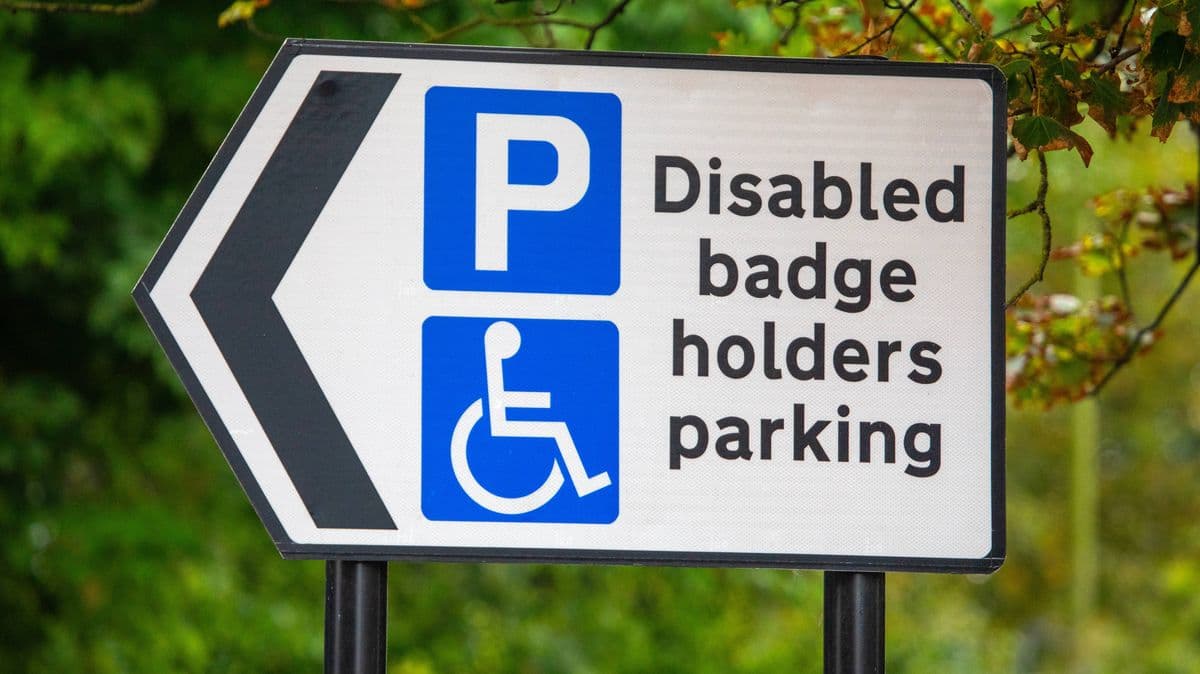
Getting around can be hard when you have a disability. A Blue Badge helps, whether you're going to an appointment or out for the day. It makes a big difference.
Blue Badges help people with disabilities park closer to where they need to go. They can use special parking spots and even park on double yellow lines.
A Blue Badge is very helpful because it can save you money on parking. You can park for free in some places, and you can use it in any car, even a taxi, as long as you're in the car.
You can use your Blue Badge in a taxi.
In England, a Blue Badge costs up to £10. In Scotland, it costs £20. In Wales, it's free. Your local council handles the applications and decides who qualifies.
Blue Badges are good for up to 3 years. There are two kinds of people who can get a Blue Badge: those who qualify automatically and those who need to be assessed.
Some people get a Blue Badge automatically.
If you're 3 or older, you might qualify for a Blue Badge if you have certain disabilities or health conditions.
You might qualify for a Blue Badge if you have trouble planning and following journeys. This is part of the PIP test.
The Blue Badge lets you park closer to where you need to go.
You need to give proof that you qualify for a Blue Badge when you apply.
Some people might qualify for a Blue Badge.
You might get a Blue Badge if you have certain health conditions or disabilities.
Here's how to apply:
You can apply for a Blue Badge on the GOV.UK website if you live in England, Scotland, or Wales. If you live in Northern Ireland, the process is different. You can find more information online.
Your local council will decide if you qualify for a Blue Badge. They need all the necessary information before they can start assessing your application.
It might take 12 weeks or more to process your application. If you don't qualify and you think the council made a mistake, you can ask them to review your application.