

Doctors thought woman's heart palpitations were anxiety but they were wrong

Mirror
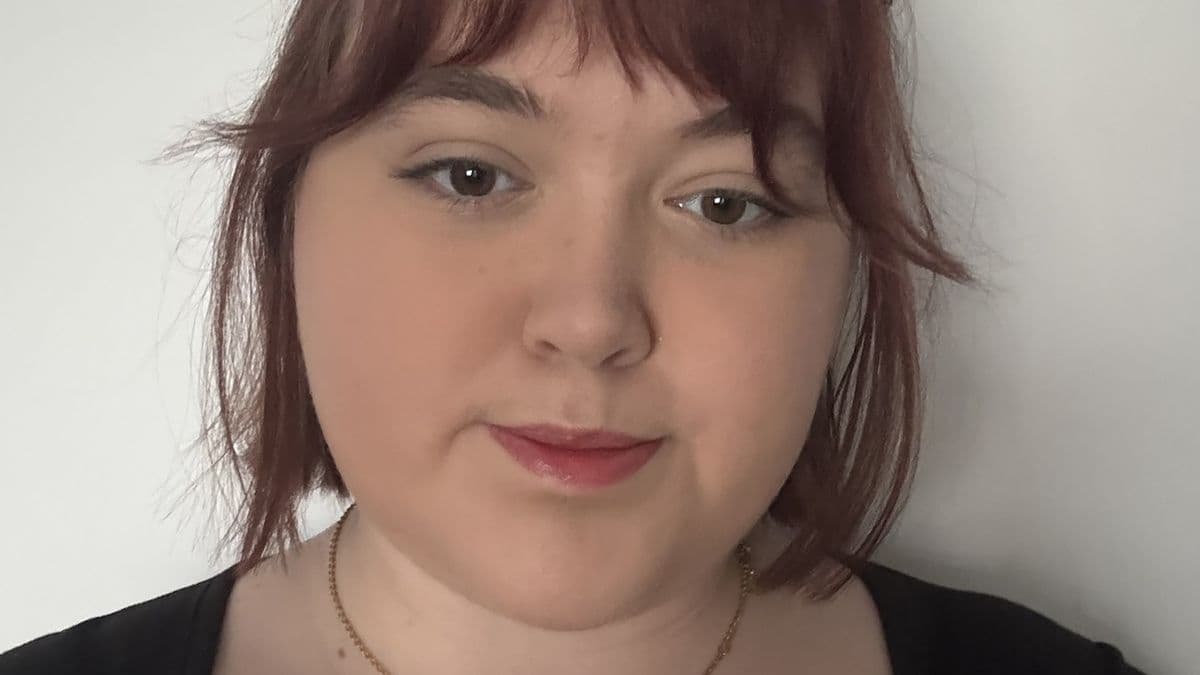
A 22-year-old woman is urging young people to trust their own instincts after she said her symptoms were originally dismissed as anxiety. She later found out she has a heart condition that makes her feel like she has "run a marathon" when walking down the street.
It took two years of pushing for Abbie Frankum, who lives in the Leicestershire area, to be diagnosed with second-degree type one heart block, a condition where your heart beats too slowly, or your heartbeat is not steady. She thinks her concerns weren’t initially taken seriously by doctors due to her age, having first started noticing something wasn't right at 18 years old.
"I started to get a lot of really noticeable heartbeats and was also really tired all of the time," Abbie told PA Real Life. "It felt like my heart was constantly beating up against my rib cage really hard.
"I began to notice that when I was just going out and doing normal things like walking or tidying the house it felt like my heart was trying to catch up with what I was doing. It felt like I’d run a marathon when I had barely walked down the street."
During this time, her confidence dropped, and she said that her symptoms stopped her from taking part in activities that she had previously enjoyed. "For a long time, when my symptoms were the worst, I didn’t really go out and do much exercise," said Abbie.
Abbie was diagnosed in 2024
"I used to be very active, I went swimming and to the gym all the time, however I started to become more wary of doing these kind of activities because once the palpitations came on, I could feel that my heart was beating really fast and used to feel pretty faint.
"So, for a period of time, I was quite afraid to leave the house without someone with me, just in case something did happen whilst I was out and about."
Abbie said the palpitations and associated symptoms also impacted her work. "I had started a new job and noticed that it was really hard to get out of bed in the morning. I would wake up and feel an overwhelming tiredness, and I was just so out of breath all of the time," she said. "Most mornings I was calling in sick to work because I just couldn’t get myself out of bed, so that was the main thing that prompted me to finally get it checked out."
However, she said that when she initially raised concerns about her heart, her GP at the time immediately put it down to anxiety, so it took two years to even get any tests for her symptoms. "I always used to leave those appointments feeling quite frustrated and upset because I felt so dismissed", Abbie said.
Abbie's symptoms impacted all areas of her life
"Every time I would speak to a new doctor there always seemed to be a comment about my age, such as 'Oh, you’re too young to have heart problems', so it felt like I was just being left to manage things on my own because of my age. It was hard because I felt like I had to really fight to get them to listen to me and take it a little bit more seriously."
She added that not knowing anyone else of her age with similar issues has been difficult. "It’s definitely quite isolating," she said. She was eventually diagnosed with second degree type one heart block in September 2024.
According to the NHS, heart block is a condition in which your heart beats too slowly or irregularly. It can happen if the electrical impulses in your heart are blocked or delayed.
"I wore a heart monitor for 48 hours and then a few weeks later one of the doctors called me out of the blue one day and said my results showed that there was a heart block that was mainly occurring at night," Abbie said. The 22-year-old said she is thankful for the diagnosis and feels relieved, as it helps explain the excessive tiredness she was experiencing.
"My heart rate tends to go quite slow at night, and then when I wake up I feel exhausted, like I haven’t slept at all. After many years of just feeling like there was no one there, it’s definitely a relief to have a diagnosis for it because it meant that this wasn’t all in my head", she said.
Abbie wants other young people to keep advocating for themselves
Currently, she has a cardiac monitoring device which has been implanted under her skin, which will flag up anything concerning to the specialists. "It’s a small device, which is about the size of a USB stick," explained Abbie.
"It sends all the information over to the clinic and the doctors can follow up if they see any concerning slow rhythms that might be dangerous. They said if they see any pauses over six seconds they will get in touch and do something. From the conversations that I’ve had with the specialists that were looking after me, they had said that the only treatment that they could do would be to put a pacemaker in, which they don’t want to do at the moment because I’m only 22."
She also takes medication morning and night to slow the heart rate during the day, which helps make the palpitations more manageable. "The medication is called Ivabradine which slows the heart rate during the day, to stop the fast heart rate from occurring, and has been a really great help," said Abbie.
This whole health journey has shifted her perspective on life. "It’s given me this perspective of that you don’t really know what’s going to happen, so it’s important to try and make the most out of everything and every day," she said.
She wanted to share her story to help encourage younger people not to be afraid to advocate for themselves about their health issues: "I wanted to share my story to help anybody else who is young and feels like nobody’s really believing them or listening to them about their health feel a little bit less alone. Remember to trust yourself. If something doesn’t feel right and isn’t sitting right with you, keep advocating for yourself because you know your own body better than anyone else."