

Short Story Collection 'Gills' Shows the Complex Side of Saigon
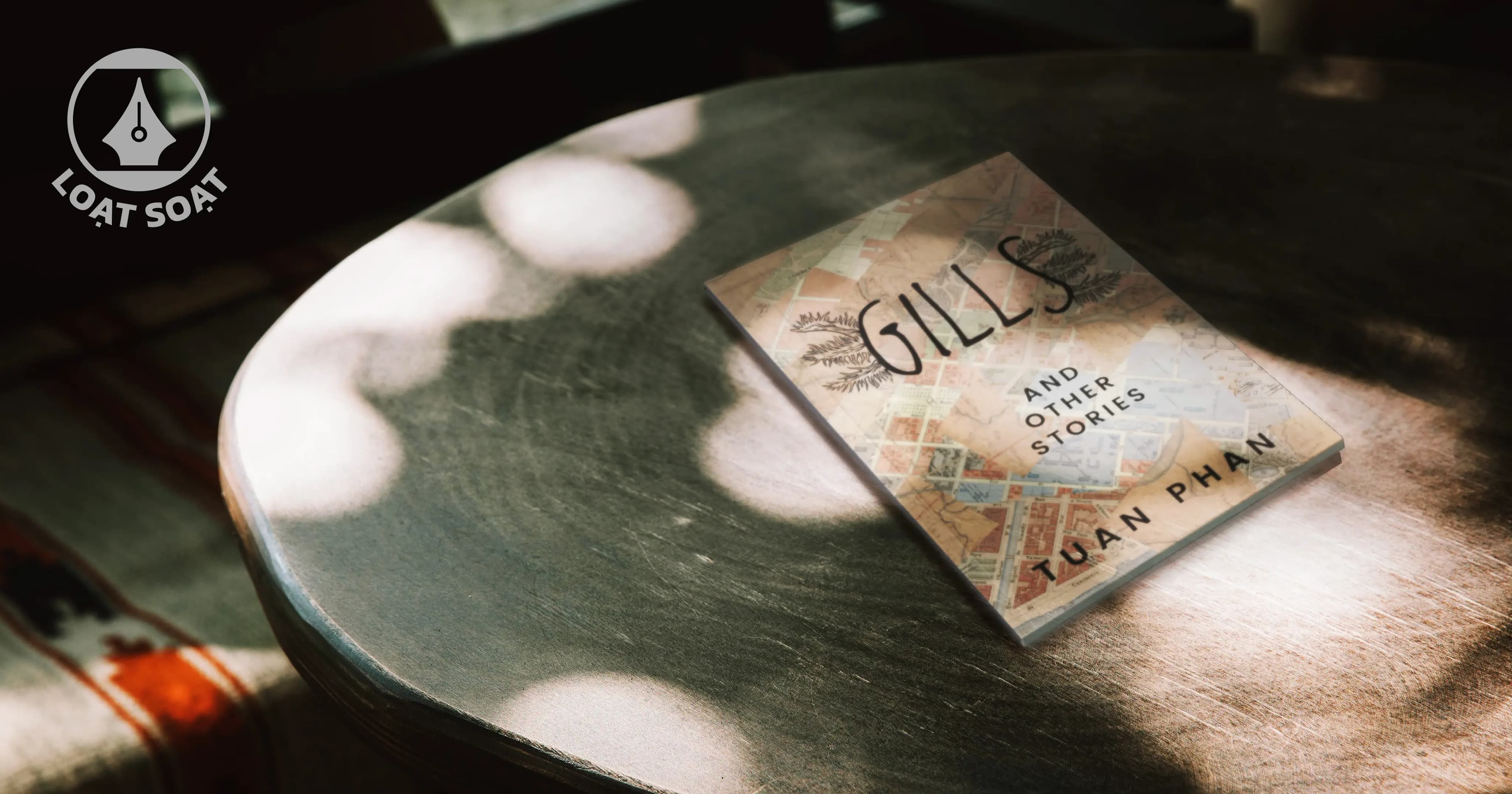
Tuan Phan's new book, 'Gills: and Other Stories', is set in this new Saigon. The book is a collection of 10 short stories that explore the city and its people. The stories are written in simple, measured prose, making them easy to follow.
Tuan Phan is the author of the book.
Many of the stories in 'Gills' are about the lives of Vietnamese people who have left their home country. These stories look at the experiences of people who are caught between two worlds, and the ways in which they navigate their memories and realities.
The first story, 'At the Bánh Mì Stand', is about a man who owns a food stall and talks to a hungry customer who has just arrived in Saigon. Another story, 'The Việt Kiều Casanova', is about a man who visits a gift shop with a different girl every week. The story 'Short-Term Rental' is about a teenage boy who visits his father in Houston and navigates the challenges of their relationship.
Many of the moments in these stories are uncomfortable, and they show the distance between different worlds. However, some of the moments are also comforting, and they show that people can connect with each other across these distances.
The book 'Gills' is not just about the experience of Vietnamese people who have left their home country. It is also about the social fabric of Saigon, and the ways in which class affects people's lives.
The stories in 'Gills' that look at the social fabric of Saigon are set in different parts of the city. They show the struggles of people who are living in poverty, and the ways in which the wealthy elite exploit them. For example, the story 'A Clean Record' is about an elderly man who is trying to get the right paperwork to work as a driver.
The story 'Reusables' is about a man named Lâm who is struggling to make a living. He is a recycler, and he needs to find a way to make money to treat his sick dog. The story shows the desperation and frustration that many people in Saigon feel, and it critiques the class-stratified order of the city.
The fact is that the rich will get richer, and the poor will get poorer. This is the reality of life in Saigon, and it is a theme that runs throughout the book 'Gills'.
The German philosopher Walter Benjamin wrote about the idea of progress, and how it can be a destructive force. The story of Lâm is an example of this, as he is struggling to survive in a city that is rapidly changing.
The book cover of 'Gills' is a representation of the themes and ideas in the book.
The story 'Gills' is a magical realist piece that stands out from the rest of the book. It is about two siblings who discover that they have gills, and can swim through the city during the monsoon season.
The story 'Gills' can be seen as a commentary on the ecological crisis that the world is facing. However, it is not clear what the takeaway from the story is, and it is possible to interpret it in different ways.
The book 'Gills' is a complex and dynamic portrait of contemporary Saigon. It shows the different worlds that exist within the city, and the ways in which they overlap and collide.
The story 'Gills' is not just an allegory of the environment, but also a literalization of the different ways that people move and breathe through the city. It is a theme that runs throughout the book, and it is what makes 'Gills' such a compelling title.
The book 'Gills' is an exercise in world-building, and it creates a intricate and dynamic portrait of Saigon. The stories in the book overlap and collide, and they show the different smaller worlds that exist within the city.
Reading 'Gills' in Saigon is a unique experience, as the reader can see the city and its people come alive in the stories. It is a special experience that allows the reader to connect with the city and its culture.
The book 'Gills' is a breath of fresh air in the context of Vietnamese diasporic literature. It shows the complexities of modern-day Saigon, and it offers a new perspective on the city and its people.