

Vietnam's Films Are Now Known Around the World
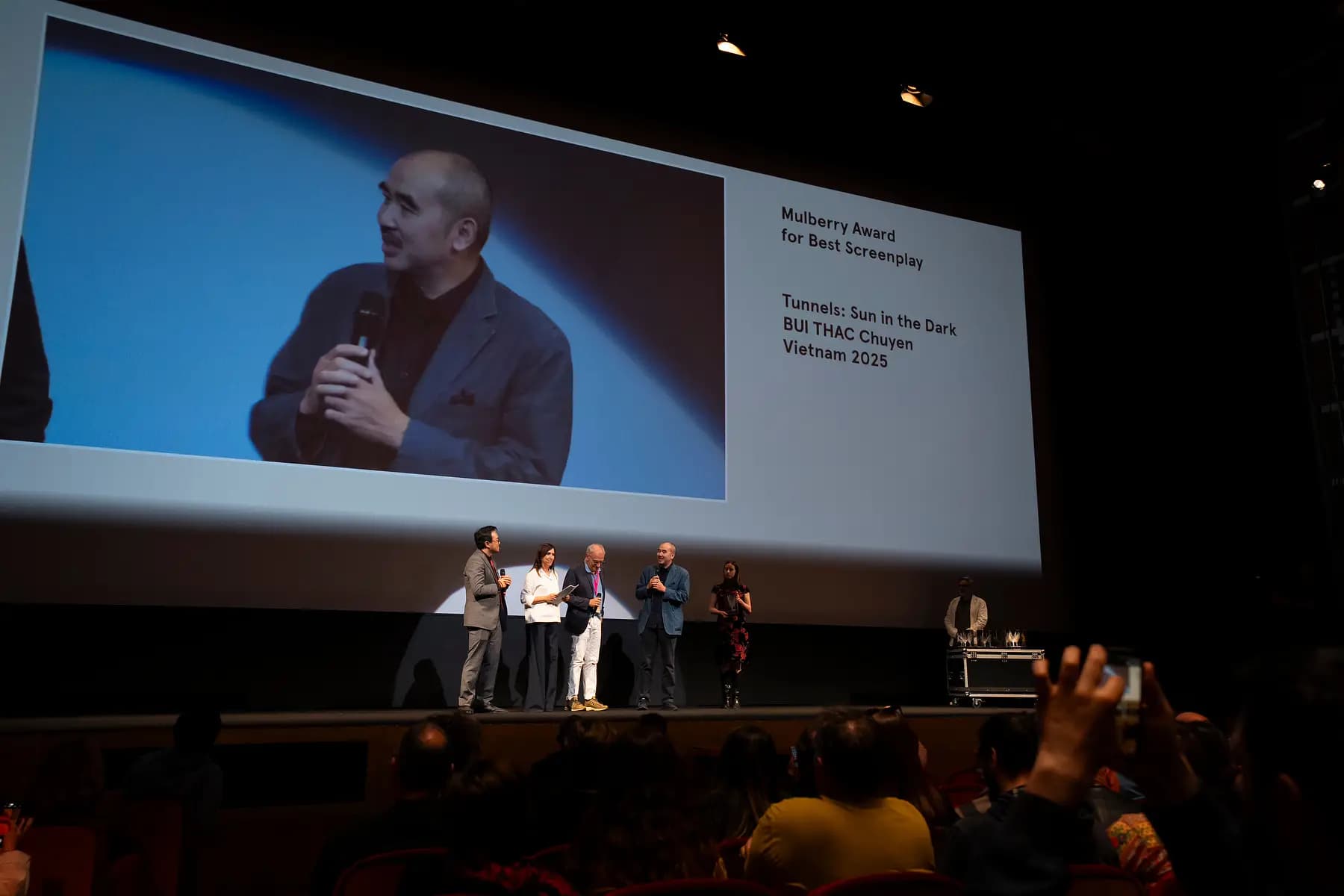
The festival showed four Vietnamese films, which got a lot of attention. These films were Quán Kỳ Nam, Tử chiến trên không, Địa đạo: Mặt trời trong bóng tối, and Đại tiệc trăng máu 8. The festival is important for Asian films in Europe.
The festival liked the Vietnamese films. One film, Địa đạo, won two awards, which is a first for Vietnam.
Two Vietnamese film projects were also chosen for a special program. This program helps films get made and find partners from other countries.
People in the film industry think this is a big step for Vietnamese movies.
For a long time, people outside of Vietnam told stories about the country. These stories often didn't show the real Vietnam.
There were two ways people thought about Vietnamese films: as documentaries or war stories told by outsiders.
Now, Vietnamese filmmakers are telling their own stories. They are showing that the war was complex and not just about countries fighting.
One filmmaker, Bùi Thạc Chuyên, says making films is also about learning. He learns about himself and the story he's telling.
Bùi Thạc Chuyên was at the festival.
Another filmmaker, Phan Gia Nhật Linh, thinks this is a turning point. The world is starting to hear stories from Vietnam.
Filmmaker Leon Lê wants to tell authentic stories. He doesn't want to make his films seem exotic just to appeal to international audiences.
Vietnamese cinema is changing. Filmmakers are trying new things and not just making the same kinds of films.
There are more horror and folklore stories being made. These stories are unique to Vietnam and are being told in new ways.
Films are also starting to show women as main characters. This is different from traditional war films that mostly had male heroes.
Phan Gia Nhật Linh spoke to the audience.
Vietnamese films are becoming more diverse. There are comedies, action films, and more. Filmmakers are adapting stories to fit Vietnamese contexts.
The film industry in Vietnam is growing fast. However, this growth also brings challenges. The industry needs to be stable to keep succeeding.
One challenge is that the systems to support films are not fully developed. Festivals help, but more needs to be done to help films reach global audiences.
Another challenge is figuring out who the films are for. Domestic and international audiences have different expectations.
Many filmmakers think the key to success is authenticity. Telling stories that are true to Vietnamese culture and experience is what will attract global audiences.
The success at the film festival is a sign that Vietnamese cinema is finding its place in the world.
Photos are from the Far East Film Festival.