

A Doctor Explains the Latest Hantavirus Cruise Ship Data
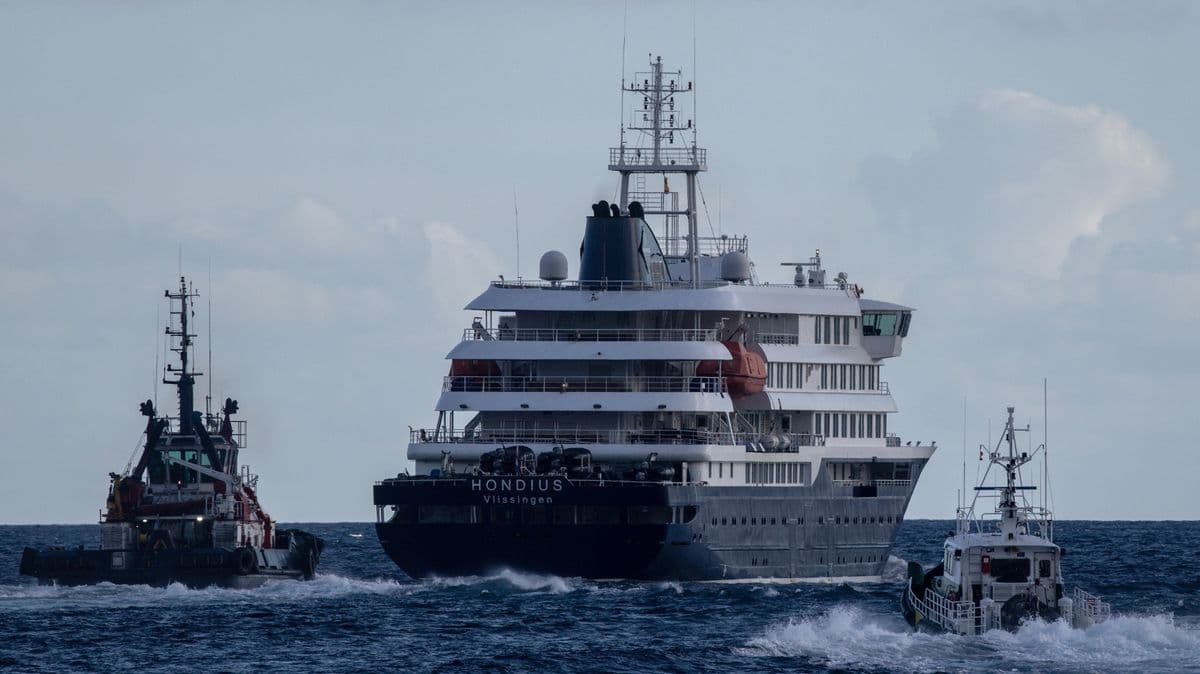
Twenty British passengers were on a cruise ship where three people died from hantavirus. Eleven cases have been reported, with nine confirmed and two suspected. A doctor explained what the investigations found.
The ship sailed to Tenerife, where passengers were taken off for treatment. Twenty Brits, a German, and a Japanese passenger were flown to a hospital. They will stay there for three days, then isolate for 42 days.
A doctor explained the latest data from the outbreak. The doctor has many followers on TikTok and found the results interesting.
The virus came from rat urine or droppings. Everyone who got infected on the ship has the same genetic sequencing, meaning they got it from the same source, likely the same person.
The biggest questions are still unanswered, like if the virus has mutated to transfer better between humans.
A French woman with hantavirus is in a Paris hospital. An American passenger has no symptoms, and another had mild symptoms.
A British man with hantavirus is being cared for in South Africa and is improving. Another is in the Netherlands, and one is isolating at home.
The World Health Organisation director gave an update on the situation. Almost 150 people from 23 countries were on the ship, and some passengers had mental breakdowns.
There is no sign of a larger outbreak yet, but the situation could change. More cases might be seen in the coming weeks.
Twenty-seven people are still on the ship, including crew members and medical staff. The captain thanked passengers and crew in a video message.
The captain was touched by the passengers' patience and kindness. He commended the crew for their courage and selfless resolve.
The captain cannot imagine sailing with a better group of people. The crew's thoughts are with those who died, and they will always be remembered.
Infection control measures were in place during the journey to the hospital. Passengers and crew wore face masks and protective equipment.
The hospital will do welfare checks on each individual. If passengers develop symptoms, they will be taken to another hospital with a tropical diseases unit.