

17 Signs Your Dog Is in Pain
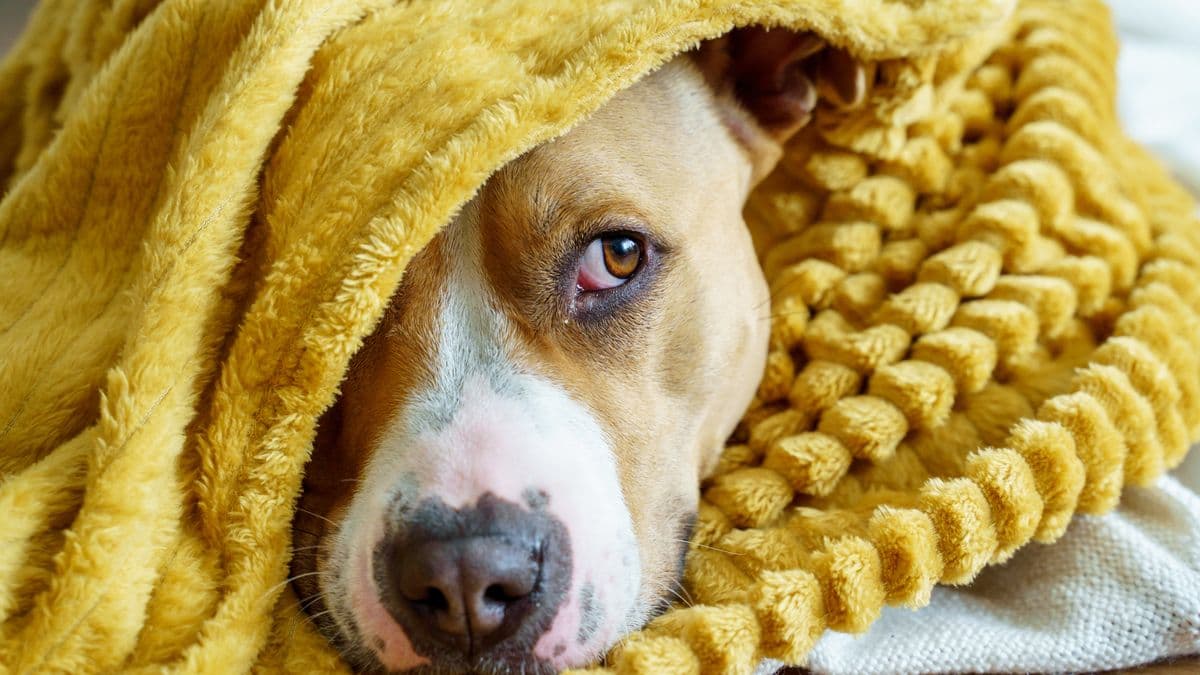
Many dog owners do not know when their pets are in pain. An expert explains how to tell if your pet needs help.
Jacqueline Boyd said animals in pain often show subtle changes in behaviour. They may not make noise or show obvious signs. Animals disguise pain as a survival mechanism.
People can recognise basic animal emotions like anger or fear. However, they are not good at linking cues to complex emotions like pain or anxiety.
Pain signs in dogs are not always clear.
A study asked people to rank 17 dog behaviours that might indicate pain. All 17 behaviours suggest a dog is in pain.
The signs include changes in personality or play behaviour. People are good at recognising these changes. However, they miss subtle signs like yawning or changes in facial expressions.
Non-dog owners were more likely to recognise certain pain signs than dog owners. This suggests dog owners may become too used to their dog's behaviour.
Study participants assessed three canine behaviour cases. Two cases were about dogs with painful conditions. The third case was not about pain.
Previous studies show animals may show pain differently. For example, rabbits often freeze. Facial grimace scales are used to assess pain in some species.
You may need to see a vet.
If you suspect your pet is in pain, seek veterinary advice. Soreness can manifest outwardly or subtly.
Dog owners should be alert to altered sleep patterns or restlessness. Changes in a dog's ear position or coat quality can indicate discomfort.
If you think your dog needs training, rule out pain first.
A study identified 17 behavioural signs of pain. People are great at spotting obvious signs but often miss subtle signs.
Here are the 17 signs of pain, categorised by how they present.
These signs are often mistaken for personality quirks or aging.
These are clearer indicators of pain.
One sign is hesitant paw lifting.
Another sign is a hunched back.
The last sign is changes in movement, like limping or hopping.