

RSPB Asks People to Stop Feeding Garden Birds Due to Disease Risk
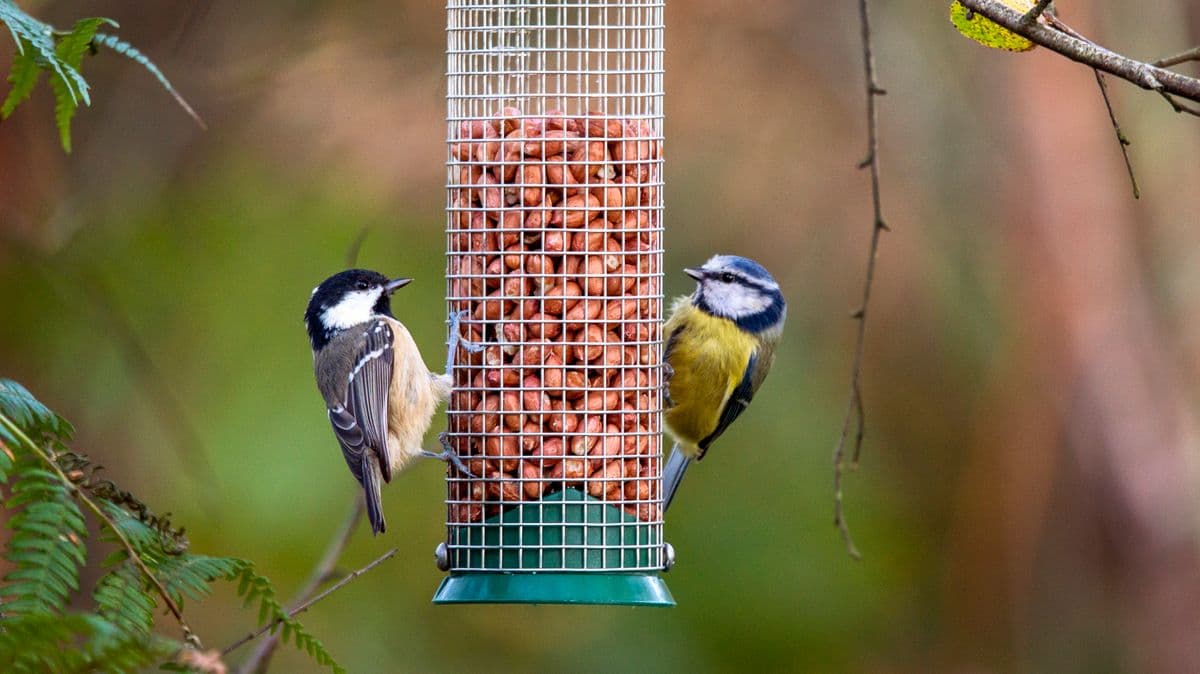
The RSPB asks people to stop feeding birds to prevent the spread of disease. This will help protect the birds.
From May to October, the RSPB says to stop using seed and peanut feeders. This helps fight the disease that affects greenfinches and chaffinches.
Too many birds at feeders can spread the disease. The RSPB says to give small amounts of mealworms or suet and keep things clean.
The RSPB says we can help by making two changes. We should feed birds seasonally and safely. This means making some simple changes.
In summer and autumn, disease spreads more easily. But there's also more natural food for birds, like seeds and insects.
Stop filling bird feeders with seeds or peanuts.
From May to October, don't fill feeders with seeds or peanuts. But you can give mealworms, fatballs, or suet. These foods are less likely to carry disease.
New advice comes after research showed that feeding in warm weather spreads disease. We can feed birds normally from November to April.
To reduce infection risk, wash feeders weekly and move them. Avoid bird tables and tray feeders, and clean bird baths weekly.
Avoid bird tables and tray feeders.
Garden bird trichomonosis is a sickness from a tiny parasite. It creates sores in the throat, making it hard for birds to swallow.
Affected birds lose weight and can starve. The parasite spreads through regurgitated food and contaminated water.
Finches are particularly vulnerable to the parasite. Studies show they're less likely to survive in suburban areas than rural ones.
Sick birds show signs like being tired and having ruffled feathers. They might drool, vomit, or struggle to swallow.