

How to Avoid a Higher TV Licence Fee
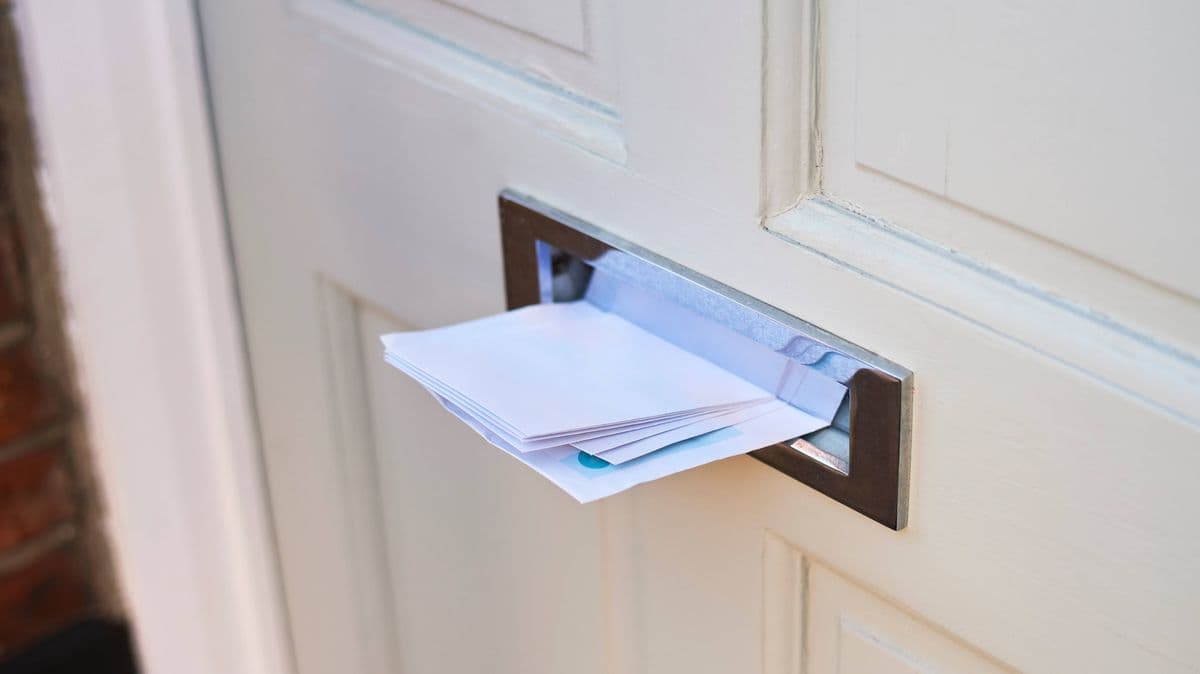
Some people don't have to pay for a TV Licence because they can get it for free or at a lower price.
A TV Licence gives you access to many TV channels and services. It covers BBC, ITV, and other channels, as well as pay TV services like Sky and Virgin Media.
It also covers live TV on services like YouTube, Netflix, and Amazon Prime Video. This applies to any device you use to watch, record, or download programmes.
Students can't get a discount just because they are students.
You have to pay £180 per year for a colour TV Licence or £60.50 for a black-and-white TV. This price went up on April 1, 2026, because of inflation.
The government says the higher TV Licence fee helps the BBC have a stable budget to make content for audiences and support the creative industries.
If you are 74 or older and get Pension Credit, you might be able to get a free TV Licence.
To get a free TV Licence, you must live in England, Scotland, or Wales and be at least the age to get a state pension.
Some people in care homes or with certain disabilities can get a cheaper TV Licence. If you are blind, you can get a 50% discount.
You don't have to pay all at once if it's too expensive.
Students can't get a discount on their TV Licence, but they can get a refund for unused months at the end of the year.
You can get a refund if you don't use your TV Licence for some months. You just need to have at least one month left on your licence.
Most people pay for their TV Licence in monthly payments. You can pay £15 per month with a Direct Debit.
You have to pay more in the first six months, but then it goes down to £15 per month.
After six months, your monthly payments will be lower. If you cancel, you get your unused months back.
You can choose how you want to pay for your TV Licence. If you don't pay, you might get a fine of up to £1,000.
If you don't have a TV Licence and you're watching TV, you could get in trouble and have to pay a fine.
The maximum fine is £1,000, plus any other costs you might have to pay.
In some places, the fine can be up to £2,000, plus other costs.