

Stop Using Bleach to Clean Shower Grout, Use These 3 Items Instead
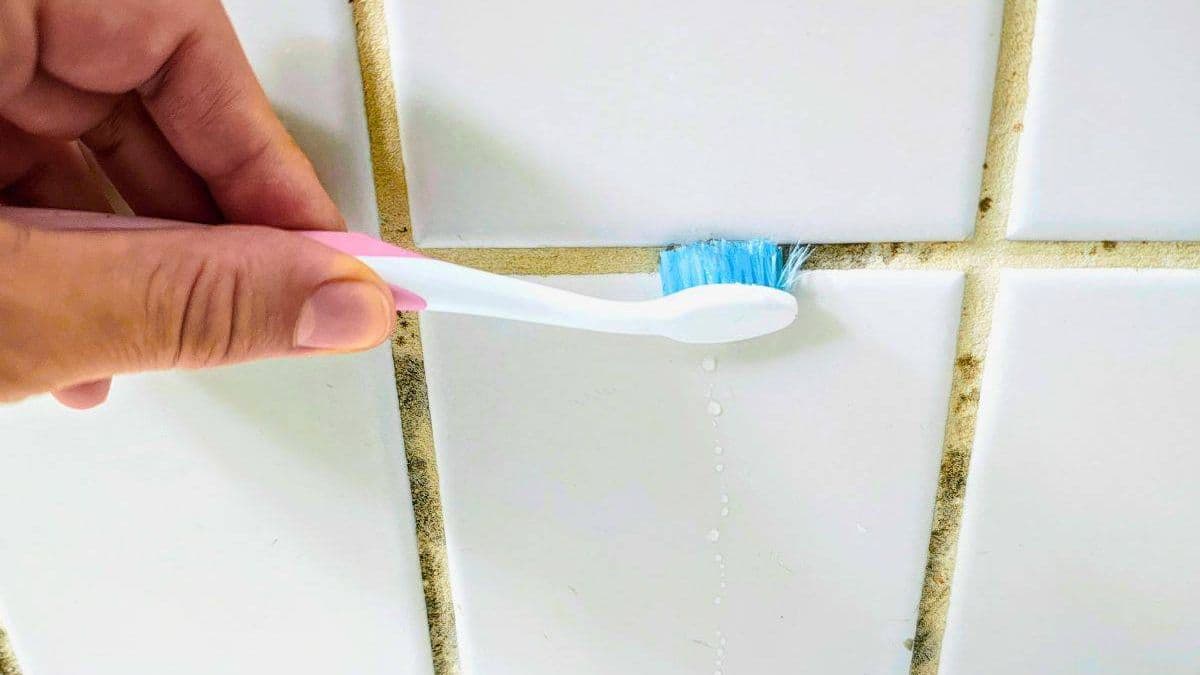
Cleaning shower tiles is frustrating, but it's a crucial task. Mould can grow in the grout, making it hard to remove. Shower grout is the space between bathroom tiles, made of a cement mixture that can hold moisture.
If you don't clean the grout regularly, black marks will appear. Grime and soap residue get stuck and turn into mould. This mould looks bad and smells bad. It's hard to remove, no matter how hard you scrub.
Leslie, a cleaning expert, says bleach is not a good idea. It can change the color of the grout or make it weak. Bleach can also make the grout crack.
Shower grout is hard to clean, but using bleach makes it worse.
Many people use bleach to clean grout because it kills mould. However, it doesn't penetrate deep enough to remove all the mould.
Mould that's already in the grout will stay. Bleach is a water-based solution, so the mould will grow back.
Mould cleaning products don't work well and can harm the grout. They can make it yellow or remove it from the tiles.
A better way is to use baking soda and hydrogen peroxide. Hydrogen peroxide is a gentler alternative to bleach that can kill mould.
Mouldy grout looks like black spots on the tiles.
You will need a few items to clean the grout.
Hydrogen peroxide is good at killing mould. It destroys the spores and prevents them from growing back.
Castile soap can dissolve oils and grease, helping to remove dirt from the grout.
Baking soda is abrasive and can help clean the grout deeply.
You can make a cleaning paste with three simple items that are better than bleach.
Method:
To start, mix hydrogen peroxide and baking soda in a bowl. Add Castile soap and mix until it's a paste.
Apply the paste to the grout on the shower floors and walls. Leave it for 10 minutes to let it work.
After 10 minutes, use a brush to clean the grout. The marks should come off easily. Rinse the tiles and dry them with a cloth.