
Quế's Artistic Exploration of Water, Trauma, and Memory
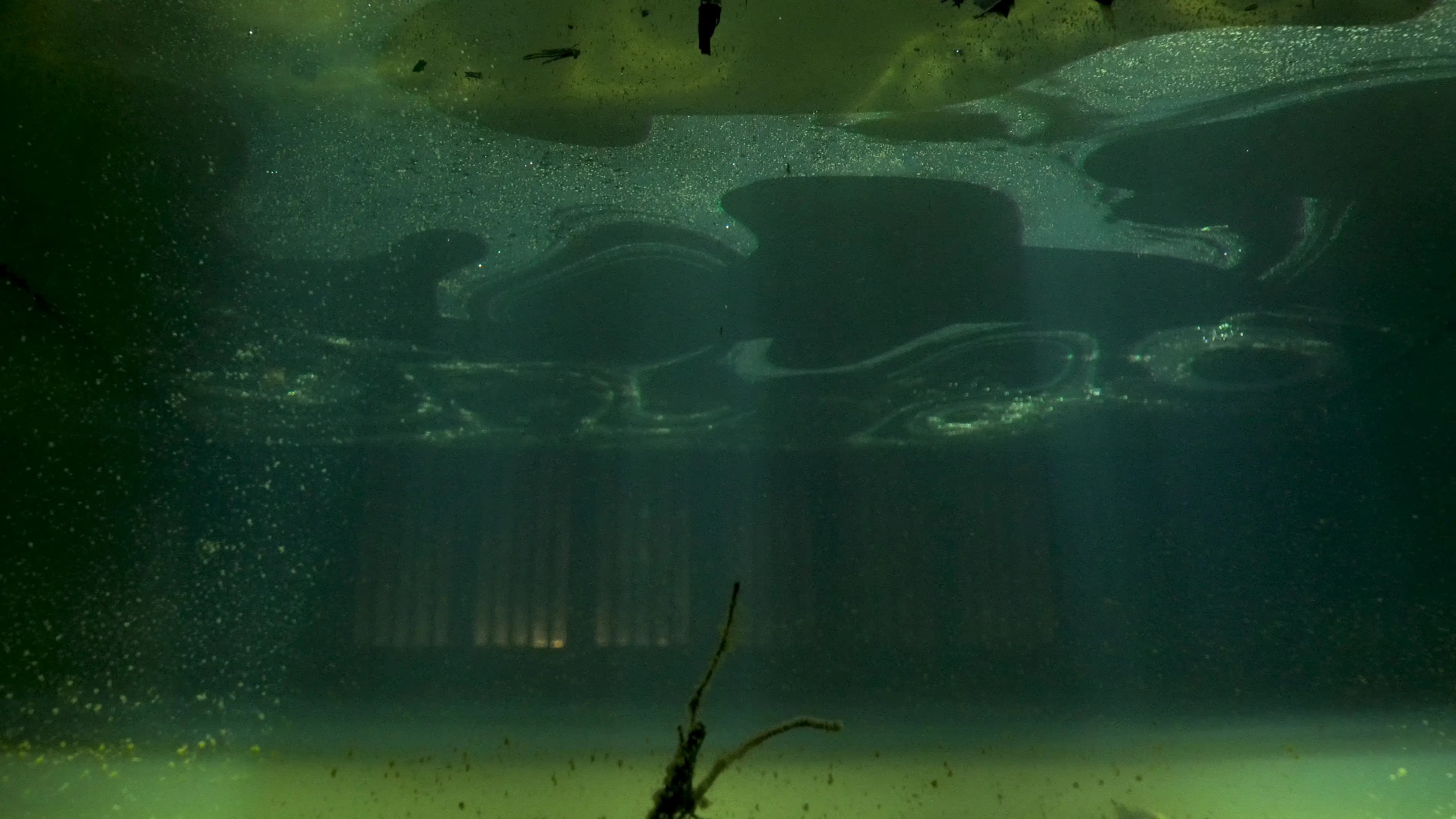
Water is an essential part of our lives, making up a significant portion of our bodies and surrounding us in the form of rivers and oceans. However, when water becomes polluted or scarce, it can have a profound impact on our existence, forcing us to reevaluate what it means to live a healthy and sustainable life.
Quế's interest in water began when he moved to Saigon and lived near the Nhiêu Lộc-Thị Nghè canal, which is notorious for its severe pollution. As he observed the locals and their struggles to maintain a decent standard of living despite the poor environmental conditions, he started to question the impact of urbanization on people's lives and the role of water in shaping their experiences.
Quế's artistic practice is characterized by his use of various mediums, including photography, animation, and installation. His works have been showcased in numerous art residencies and exhibitions, both locally and internationally, and have been well-received by critics and audiences alike.
One of Quế's notable works is a fish tank installation titled 'Water permeates through the divine', which features a tank filled with water and mud collected from the Nhiêu Lộc-Thị Nghè canal. The work highlights the paradox of something being both beautiful and toxic, as the water appears clear and transparent despite being polluted.
The 'Water permeates through the divine' installation is a thought-provoking piece that challenges viewers to reconsider their relationship with water and the environment. By using a fish tank as a medium, Quế creates a sense of intimacy and immediacy, drawing the viewer into the world of the artwork.
In contrast to his previous work, Quế's 'Into purified water' installation, created during his residency in Germany, features clear water that allows viewers to see a video projection of animated ants. The work explores the theme of migration and labor histories, as well as the rise of xenophobia and racism in Germany.
The 'Into purified water' installation is a powerful commentary on the human condition, highlighting the struggles and challenges faced by individuals and communities in their pursuit of a better life. By using water as a metaphor, Quế creates a sense of universality and shared experience.
Quế's interest in water extends beyond its environmental significance, as he also explores its role in the human body and its impact on our physical and mental well-being. His experience living near the polluted canal led him to question the effects of water on human health and the ways in which it can shape our lives.
The 'Elles' series is a poignant and thought-provoking work that explores the theme of personal memories and inherited trauma. By using water as a metaphor, Quế creates a sense of vulnerability and intimacy, drawing the viewer into the world of the artwork.
The 'Elles' series is characterized by its use of video installation, sound, and scent, creating a multi-sensory experience that immerses the viewer in the world of the artwork. Quế's use of water as a medium adds a sense of fluidity and adaptability to the work, highlighting the complex and often contradictory nature of human experience.
Quế's animated films are another notable aspect of his artistic practice, as they allow him to explore complex themes and ideas in a unique and innovative way. By using non-human characters such as mosquitoes and ants, he creates a sense of distance and objectivity, allowing the viewer to reflect on the human condition from a new perspective.
The 'Healthy diseases with water' film is a powerful commentary on the impact of trauma and history on individuals and communities. By using a mosquito as the main character, Quế creates a sense of vulnerability and fragility, highlighting the ways in which even the smallest creatures can be affected by larger structural forces.
The 'The ant and the rice grain' film is a thought-provoking work that explores the theme of collective struggle and resilience. By using an ant as the main character, Quế creates a sense of industriousness and determination, highlighting the ways in which even the smallest creatures can work together to achieve a common goal.
The 'The ant and the rice grain' film is also notable for its use of reference to the original animated film of the same title by Nguyễn Thế Hội. By reworking and reinterpreting the original material, Quế creates a sense of continuity and tradition, highlighting the ways in which artistic practices can be passed down through generations.
Quế's use of non-human characters in his animated films allows him to explore complex themes and ideas in a unique and innovative way. By creating a sense of distance and objectivity, he enables the viewer to reflect on the human condition from a new perspective, highlighting the ways in which our experiences are shaped by larger structural forces.
The 'Water, Ant, and Rice Grain' installation is a notable work that showcases Quế's ability to create complex and thought-provoking artworks. By using a combination of mediums and materials, he creates a sense of depth and nuance, highlighting the ways in which water can shape our lives and experiences.
Quế's artistic practice is characterized by its use of water as a metaphor for personal and collective memories, as well as trauma and resilience. By exploring the complex and often contradictory nature of human experience, he creates a sense of universality and shared understanding, highlighting the ways in which our lives are interconnected and interdependent.
The 'Nature on the roof' open studio is a notable example of Quế's ability to collaborate with other artists and create innovative and thought-provoking works. By using a combination of mediums and materials, he creates a sense of depth and nuance, highlighting the ways in which water can shape our lives and experiences.
Quế's artistic practice is notable for its use of water as a symbol of adaptability, resilience, and fluidity. By exploring the complex and often contradictory nature of human experience, he creates a sense of universality and shared understanding, highlighting the ways in which our lives are interconnected and interdependent.
The power dynamics at play in Quế's artworks are a notable aspect of his practice, as they highlight the ways in which water can shape our lives and experiences. By exploring the complex and often contradictory nature of human experience, he creates a sense of universality and shared understanding, highlighting the ways in which our lives are interconnected and interdependent.
Quế's artworks are a powerful commentary on the human condition, highlighting the ways in which our lives are shaped by larger structural forces. By using water as a metaphor, he creates a sense of universality and shared experience, drawing the viewer into the world of the artwork and challenging them to reflect on their own place within the larger landscape.