

Writer Dạ Ngân Remembers What Will Be Lost as Thanh Đa Faces Redevelopment
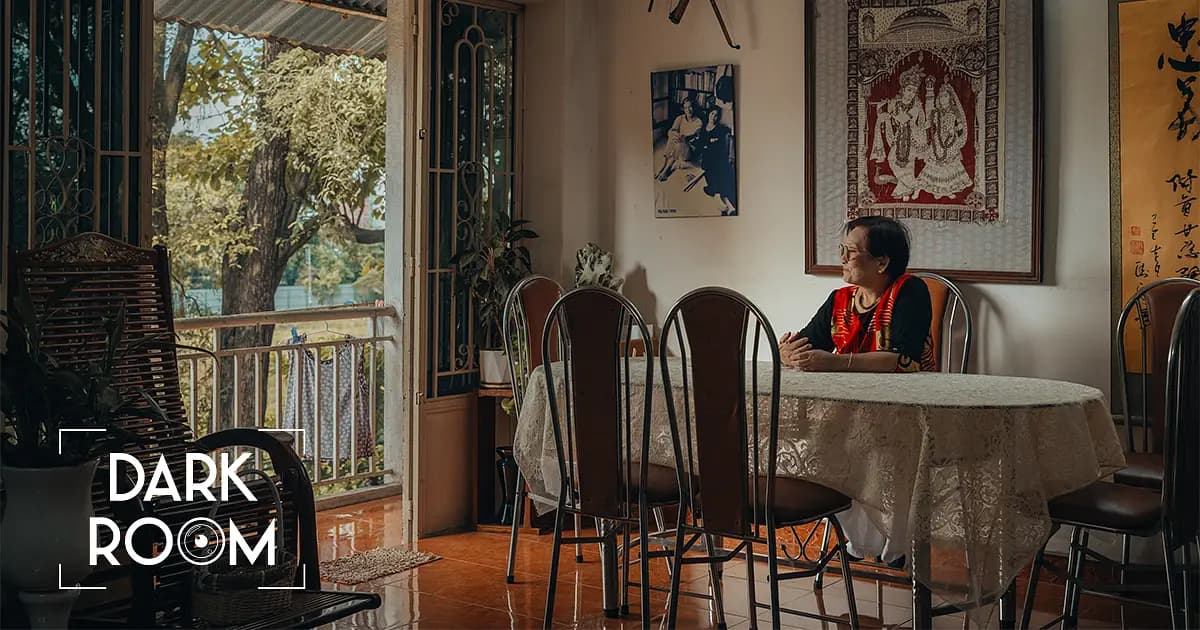
I first visited Thanh Đa seven years after 1975. The passage of time had changed everything. I saw how people's lives had changed, with some becoming more laid-back and others more eager. I witnessed the formation of a new rhythm of life, with laundry lines, coal briquettes, and shirtless men trying to get water from taps.
Morning scenes around the numbered blocks were memorable.
My nephew's old motorbike taught us how long Xô Viết-Nghệ Tĩnh Street was. We had to travel from Thị Nghè, passing Hàng Xanh, over the Kinh Bridge, and across 8 kilometers of Bình Quới's wilderness. The boat operator arranged bicycles and passengers to make room for everyone.
Communal life in Thanh Đa remains cordial.
Internal staircases are well-lit, but residents made metal cages to protect the light bulbs from theft.
In 2005, we moved to the south because my husband's mother passed away in Thanh Đa. We chose to settle down in Thanh Đa, finding dignity in our work and acceptance. My husband was 70, and I was about to retire.
A hand-drawn map shows the initial layout of Cư xá Thanh Đa.
We had to use my nephew's name to buy a house in Saigon because only registered households could buy property. After we settled, he transferred the ownership to us, and we could move our household registry to Saigon and receive our retirement pension.
The apartment blocks were tilted and water-damaged. Public water was only available at night, so residents installed plastic water tanks on their balconies. Small metallic roofs protected bedrooms from water leakages, and ground units extended their roofs for entrepreneurship and parking.
A park near the blocks is spacious but under disrepair due to lack of maintenance.
We must follow the rules of time and change. The Bình Quới-Thanh Đa Peninsula will be an urban point of pride in the future. In Budapest, old apartments with Soviet influence have stood the test of time, and heritage is preserved.
Thanh Đa has been neglected and can't be preserved. Urban planners see it as valuable land for development. I will miss the 20-centimeter walls, balconies, and rooms with many windows.
Everything will be gone. Human bonds will fade away, let alone cement and stones. Some residents have accepted site clearance orders, hoping to resettle soon.
I hope the tamarind tree in front of my apartment will stand strong despite the construction. The bodhi tree, kapok tree, sparrows, squirrels, butterflies, geckos, and bees will they survive?
History is calling out for Thanh Đa again.
Dạ Ngân is an award-winning writer and journalist based in Thanh Đa, Saigon. She has published 22 books.
Dạ Ngân's work has been featured in literary series. Read our profile of Dạ Ngân here.