

New DVLA update on medical driving licence waiting times - who qualifies for help

Mirror
People with certain medical conditions may be given a medical driving licence by the DVLA which needs to renewed every few years. Yet applicants could experience delays as the department faces a growing demand for the licences.
However, not reporting these medical conditions could see drivers fined up to £1,000 Conservative MP Alicia Kearns questioned what steps the Secretary of State for Transport is taking to speed up the issuing of these medical licences. In response, the Under-Secretary Simon Lightwood revealed the department has been dealing with a rise in complicated cases.
He wrote in a parliamentary response: “The DVLA is currently experiencing an increase in both the volume and complexity of driving licence applications from people with one or more medical conditions. Unfortunately, this has led to longer waiting times for some customers. In 2024/25 the DVLA made more than 830,000 medical licensing decisions with forecasts showing that more than 925,000 medical applications and notifications will be received in 2025/26.
“To keep up with growing customer demand and to offer a better service, the DVLA is updating its online service and is launching a new casework system which will deliver significant improvements to drivers with medical conditions. These enhancements, alongside the recruitment of additional staff to deal with medical applications and answer telephone calls, will deliver real improvements for customers.”
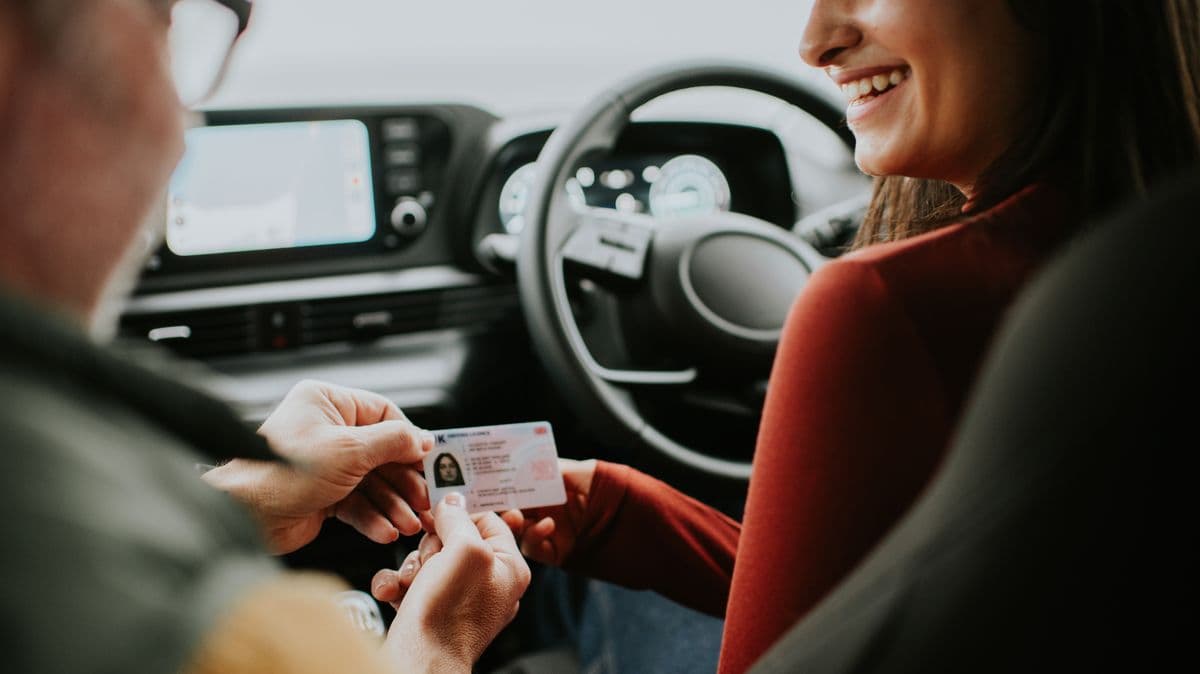
A medical driving licence may need to be renewed in one, two, three or five years(Image: GETTY)
People with certain medical conditions must report it to the DVLA or risk facing a fine of up to £1,000. Most people are able to do so online and can keep their normal licence, according to a Gov.uk blog post, but others will be issued a medical drivers licence.
These licences need to be renewed every one, two, three or five years to assess the stability of their condition and ensure they are still safe to be driving on the roads. These licences look like a typical drivers licence but includes specific codes that explain your restrictions or adaptations needed while driving.
People must report their health condition to the DVLA in two circumstances:
The DVLA has a full A-Z list of notifiable conditions on the Gov.uk website. These are conditions that could affect your ability to drive safely.
Common notifiable conditions include:
Certain conditions must be reported to the DVLA(Image: GETTY)
Other conditions causing seizures, excessive daytime sleepiness, visual impairments or neurological symptoms like Parkinson’s also need to be reported. Your doctor may also tell you if your ability to drive is affected by your condition.
If you don’t inform the DVLA about a notifiable condition and then get into an accident, you may receive a fine of up to £1,000 and could be prosecuted depending on how serious the accident is. You car insurance will also more than likely be invalidated, making you liable for costs.