

The Unique Story of 'Quán Kỳ Nam', a Movie Shot on 35mm Film
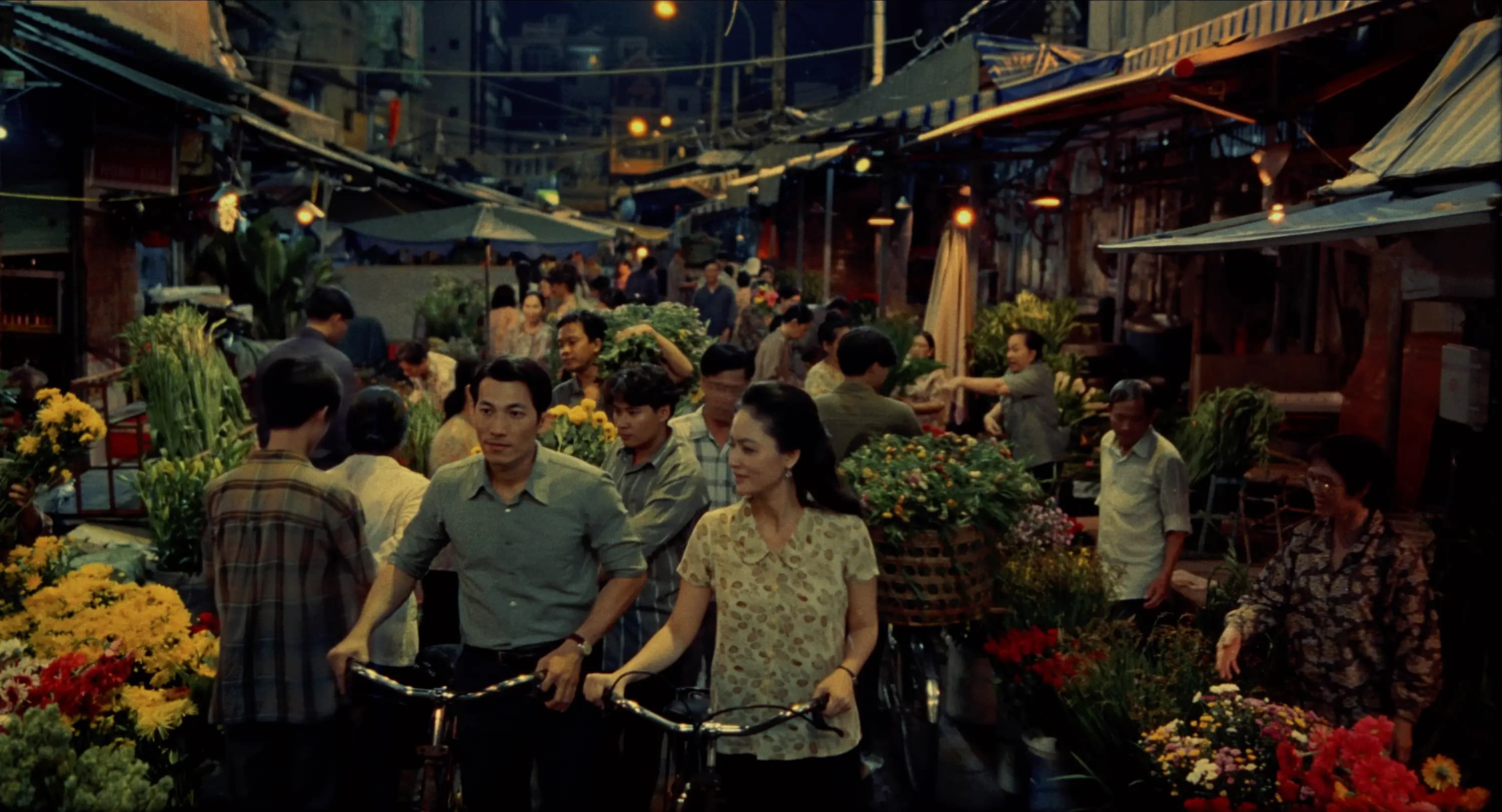
Quán Kỳ Nam shows a different side of Vietnam, not the modern one, but a more traditional and authentic one. The movie shares the story of people who are kind, sensitive, and strong, trying to rebuild their lives after a war. The characters are not perfect, they have flaws, and that makes them more human.
Quán Kỳ Nam actress Ngô Hồng Ngọc and director Leon Lê attended the Far East Film Festival.
Nguyên Lê, the Vietnamese programmer for the festival, looks for movies that have a local essence but a global expression. Quán Kỳ Nam does exactly that, telling a universal story of love and relationships in a specific context of 1970s Vietnam.
The movie Quán Kỳ Nam was a success not just because of its story, but also because of its unique craft. It was the first Vietnamese movie in 20 years to be shot entirely on 35mm film.
Shooting on 35mm film is not easy, especially in Vietnam where the industry has moved to digital. The team had to work hard to find the right equipment and learn how to use it. Director of photography Bob Nguyễn had to train the crew and find a lab to develop the film.
Leon Lê, the director, knew it would be a challenge to shoot on film, but he was determined to do it. He had the support of his investors, who loved his first movie, Song Lang, and trusted him to make Quán Kỳ Nam.
The team had to start from scratch, training the crew and finding a lab to develop the film. It was a difficult process, but Leon was confident in his team's ability to learn and adapt.
The movie Quán Kỳ Nam is a testament to the dedication and hard work of Leon and his team. It offers a unique and authentic cinematic experience, different from the usual digital movies.
A still from Quán Kỳ Nam shows the beauty of 35mm film.
Leon Lê is committed to shooting on film and plans to continue doing so for his future projects. He believes in the importance of preserving the craft of filmmaking and the unique quality of 35mm film.
The movie Quán Kỳ Nam has sparked a conversation about the state of the Vietnamese film industry. Many people believe that the industry is struggling and that it needs to find a way to balance commercial success with artistic integrity.
Nguyên Lê, the programmer, notes that the industry is focused on making movies that are commercially successful, but often at the expense of artistic quality. He hopes that movies like Quán Kỳ Nam will inspire a new generation of filmmakers to prioritize artistry and craftsmanship.
The divide between independent and commercial filmmaking in Vietnam is significant. Independent filmmakers often have more freedom to experiment and take risks, while commercial filmmakers are under pressure to produce movies that will appeal to a wide audience.
Leon Lê's approach to filmmaking is unique and refreshing. He prioritizes the artistic vision and the story, rather than trying to appeal to a specific audience or market.
The movie Quán Kỳ Nam has been praised for its authentic and realistic portrayal of life in 1970s Vietnam. The director, Leon Lê, chose not to use visual effects to create a perfect illusion of the past, instead opting for a more realistic and imperfect approach.
The use of visual effects in movies can be problematic, especially when it is used to cover up mistakes or cut corners. Leon Lê believes that visual effects should be used to enhance the story, not to replace the creative process.
The rise of artificial intelligence in filmmaking is a concern for many artists. Leon Lê believes that AI can never replace the creative vision and human touch of a filmmaker.
Ngô Hồng Ngọc and director Leon Lê at the Far East Film Festival.
The programmer, Nguyên Lê, notes that the Vietnamese film industry is already using AI in some stages of the creative process. He hopes that filmmakers will be careful and thoughtful in their use of AI, and that they will prioritize human creativity and vision.
There is a new wave of independent filmmakers in Vietnam who are making a name for themselves with their unique and artistic approach to storytelling. The Academy of Motion Picture Arts and Sciences has recently introduced regulations to ensure that human authorship is recognized and valued in the filmmaking process.
Ultimately, cinema is a medium that is built on human vulnerability and creativity. We need to prioritize and celebrate the imperfect, human aspects of filmmaking, rather than relying on technology to create perfect, but soulless, movies.
Photos courtesy of the Far East Film Festival.