

Oncologist shares 'healthy' barbecue food to avoid in cancer warning
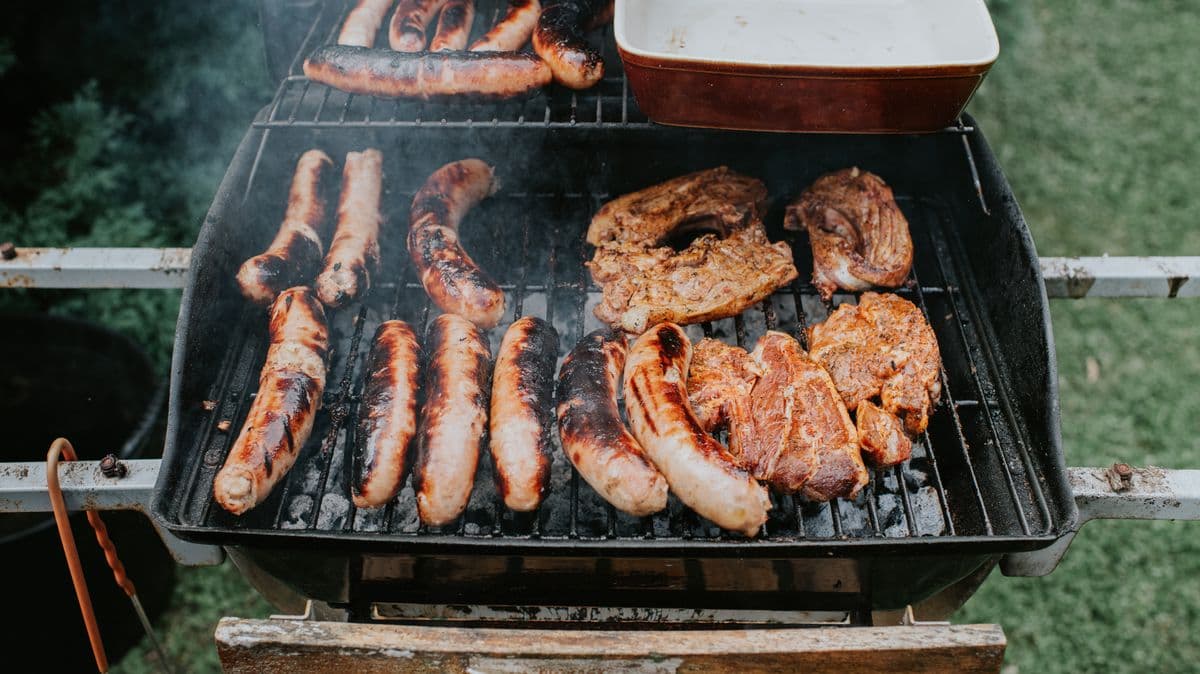
Recent hot weather has seen many people getting out the barbecue and enjoying their food in their gardens. But some seeking healthier options might be snubbing the sausages and burgers in favour of chicken and steak.
However, according to a cancer specialist, what they might not realise is that whatever meat goes on their plates could be increasing their risk of the disease depending on how it is cooked. Dr Jiri Kubes, radiation oncologist and Medical Director at Proton Therapy Center in Prague says if the meat has become heavily charred it can be a health risk.
He explained while summer barbecues are fine, blackened meat shouldn't become a regular habit. He said: 'When meat is cooked at very high temperatures until it’s heavily charred, chemicals called HCAs and PAHs can form. You don’t need to avoid barbecues, but try not to regularly eat burnt meat.'
Eating charred meat regularly could pose a risk.
The expert highlighted the issue - along with nine other little-know things he would remove from his home to help reduce unnecessary cancer risks. He advised that while no single product in your home is guaranteed to cause cancer, experts say reducing exposure to well-established risk factors where possible can play an important role in protecting your long-term health.
He said: 'People often assume cancer prevention is about one dramatic lifestyle change, but in reality it’s usually lots of small, sensible decisions that add up over time. We can’t eliminate cancer risk completely, but we can reduce our exposure to certain avoidable hazards and make healthier choices every day.'
Dr Kubes has listed eight other things he would remove from his home and one thing he would do to make it as low-risk as possible. This is what he said.
Damaged non-stick pans are a cancer risk because scratches expose underlying materials to high heat, releasing toxic fumes and microscopic particles into your food. These coatings and their bonding agents often contain PFAS, known as 'forever chemicals', which are linked to hormonal, immune, and cancer risks.
Damaged frying pans can pose a cancer risk, according to the oncologist.
If the non-stick coating is scratched, peeling or flaking, Dr Kubes says it’s time to replace it. 'Modern non-stick cookware is generally considered safe when used correctly, but damaged pans should be replaced and it’s sensible to avoid overheating them unnecessarily.'
Leaving single-use plastic bottles baking in hot cars or direct sunlight isn’t something Dr Kubes recommends. He said: 'I’d avoid repeatedly reusing disposable plastic bottles, particularly after they’ve been exposed to high temperatures. It’s a simple change that helps reduce unnecessary chemical exposure.'
Whether you’re sanding wood, cutting concrete or drilling into walls, fine dust is something Dr Kubes takes seriously. He advised: 'Certain dusts, including silica dust, are known health hazards. Good ventilation and appropriate respiratory protection during DIY projects are always sensible.'
Many older properties still contain asbestos. Dr Kubes said: 'Asbestos isn’t usually dangerous if it’s left undisturbed, but if fibres are released during renovation work they can significantly increase the risk of serious lung diseases, including mesothelioma.'
Cooking, particularly at high temperatures, creates airborne particles that build up indoors. Dr Kubes said: 'Something as simple as using an extractor fan or opening windows while cooking can improve indoor air quality.'
Radon is a naturally occurring radioactive gas and the second biggest cause of lung cancer after smoking. He warned: 'Most people never think about radon, but if you live in an area where it’s more common it’s worth checking whether your home should be tested.'
Smoking remains the single biggest preventable cause of cancer. It remains responsible for more than one in four of all cancer deaths. It accounts for around eight in 10 cases of lung cancer, according to Cancer Research UK.
He says smoking is never safe.
Dr Kubes said: 'If there was one habit I’d remove completely, it would be smoking. There really isn’t a safe level of tobacco exposure, including second-hand smoke.'
Dr Kubes says alcohol is a recognised risk factor for several cancers. He said: 'Keeping alcohol for special occasions rather than everyday drinking can make it easier to reduce your overall intake.'
The final change isn’t about removing an object at all. The expert said: 'I’d make healthy living the easiest option. Keep fruit where you can see it, wear sunscreen, stay physically active, avoid smoking and limit alcohol. Those habits have far more impact on cancer risk than many people realise.'
Dr Kubes added: 'I don’t want people to become anxious about every item in their home. Cancer is a complex disease with many different causes, and there is rarely one single factor responsible.
The important message is that many of the biggest cancer risks are modifiable. Small, practical changes repeated consistently over many years really can make a difference to your overall health.