

Fauci's Contempt of Congress and the Public
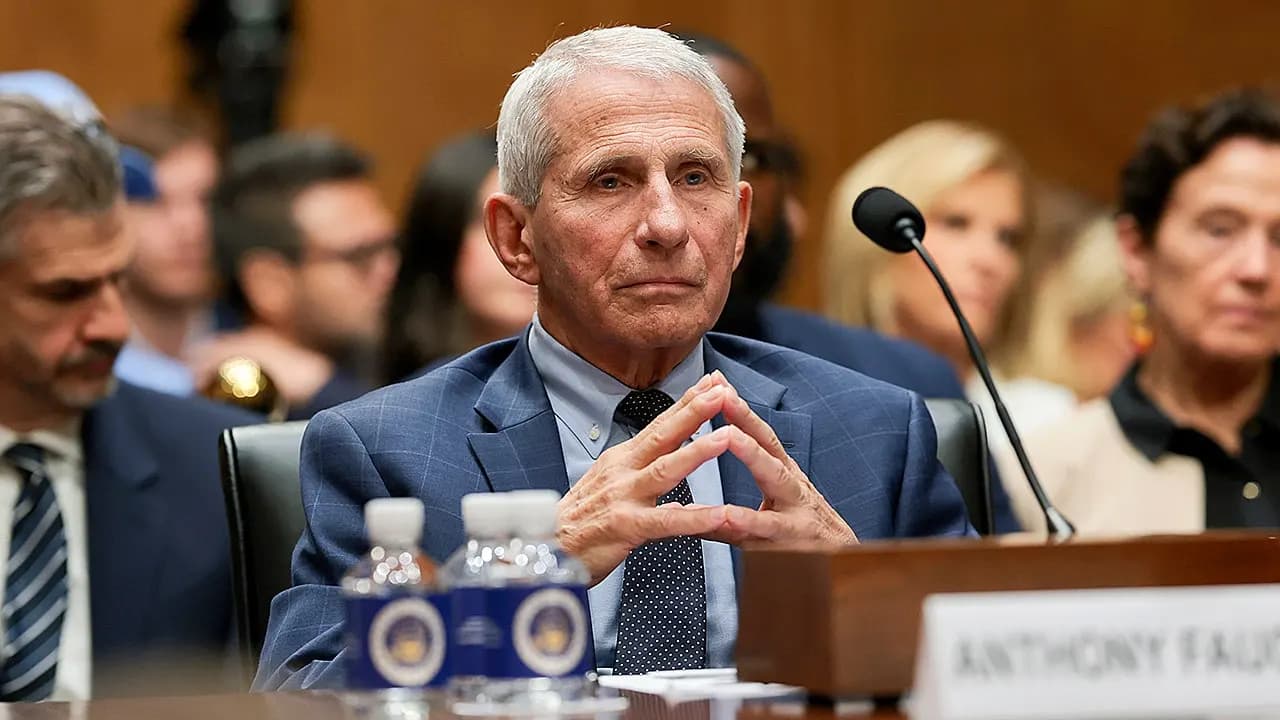
Dr. Fauci is a famous person in the US. The Senate Committee on Homeland Security & Governmental Affairs is moving forward with holding him in contempt. He refused to answer over a hundred questions about his past conduct and statements as the former head of the National Institute of Allergy and Infectious Diseases.
The contempt vote will start a process with many challenges. There are questions about whether Fauci can be held in contempt after invoking his right to remain silent. This area of law is not clear, and Fauci may have the advantage in any court case.
Fauci always faced a risk of perjury in his prior appearances. Even if he was immunized, he could still be prosecuted for false statements. Fauci is in a stronger position now due to the pardon he received from former President Joe Biden.
Fauci's COVID diaries show a strange focus on fame as pandemic deaths increased.
Now, let's look at the legal questions.
If a witness is immunized, they must testify. The Senate could have granted Fauci immunity, and then he would have to answer questions.
The Senate Committee argues that the Biden pardon had a similar impact. Since Fauci cannot be prosecuted for acts during the pardon period, he may not have to answer questions.
The argument is strong: since Fauci cannot be prosecuted, he has no legal risk if he tells the truth.
For Fauci, this is a subjective question. He mentioned the risk of a 'perjury trap' in his opening statement.
Fauci's statement could be a matter for litigation. In 2013, Lois Lerner pleaded the Fifth, and the Justice Department refused to prosecute.
This is the Trump administration, not the Obama Administration. The administration will defend the pardon, which it has questioned.
Fauci's 111 Fifth Amendment pleas could end up in court.
The Justice Department can argue that the fear of perjury is not enough to compel a witness to testify.
The Supreme Court has held that 'anticipatory perjury' is not a basis for refusing to testify.
Fauci can cite new state investigations and questions outside the pardon period as risks.
Courts have protected the right to remain silent, which is a key part of our legal system.
It is uncertain whether Fauci can remain silent. The cases in this area are limited, and each pardon case is unique.
If Fauci can remain silent, his silence will be significant for many Americans.
The right to do something does not make it the right thing to do. Fauci was wrong to invoke the privilege against self-incrimination.
CLICK HERE FOR MORE FOX NEWS OPINION
Fauci will not say anything to the families who lost loved ones or the business owners ruined by pandemic measures.
Anthony Fauci's private diary and emails show he knew lockdowns failed and pushed masks without evidence.
He will not say anything to the scientists who were canceled, blacklisted, and fired for opposing these policies.
CLICK HERE TO DOWNLOAD THE FOX NEWS APP
Fauci will say nothing despite the protection of a presidential pardon. He should be condemned for this.
Jonathan Turley is a Fox News Media contributor and a law professor at George Washington University.
He is the author of a new book on the American Revolution and has written many academic articles.
He is a recognized legal scholar who has written on constitutional law, legal history, and the Supreme Court.
Professor Turley has served as counsel in many notable cases and has testified before the House and Senate.
Professor Turley testified in the impeachment hearings of President Bill Clinton and Donald Trump.
Professor Turley received his degrees from the University of Chicago and Northwestern, and he was given an honorary Doctorate of Law.