

How One Juror’s Refusal to Apply Reasonable Doubt Can Stall a Murder Trial
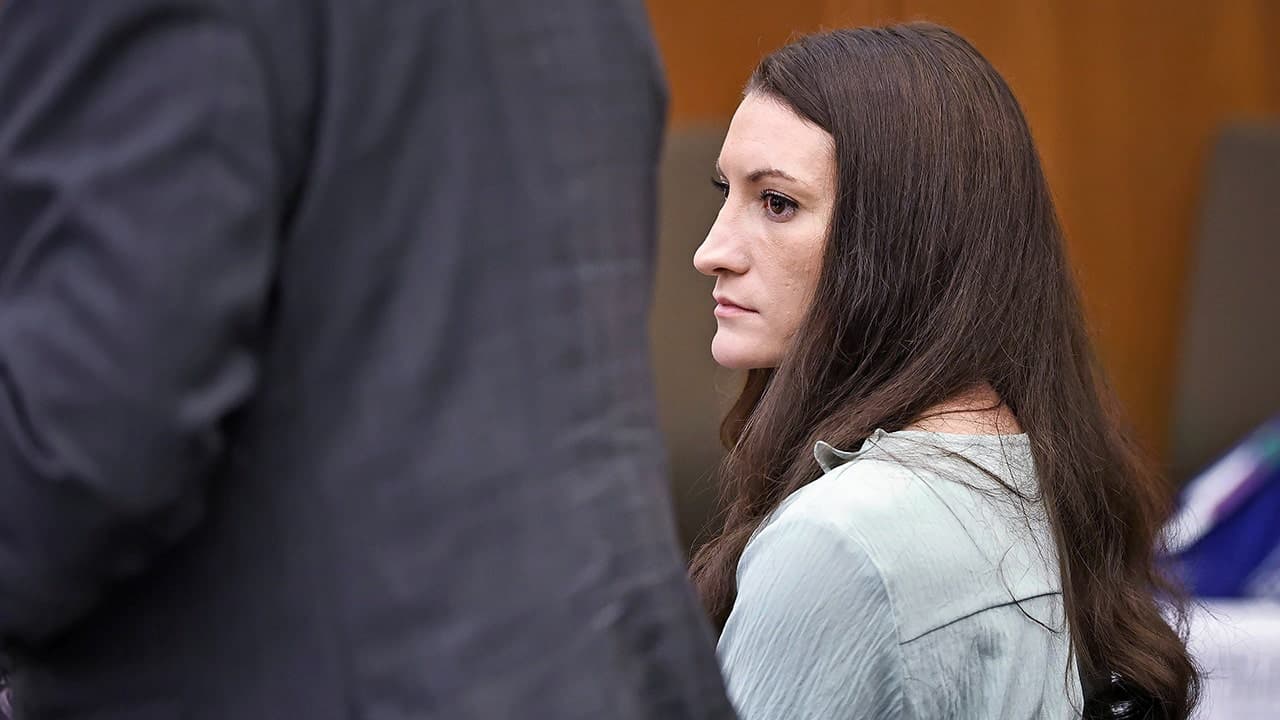
Defense attorney Kevin Reddington told the court that one juror was refusing to follow the judge’s instructions on reasonable doubt, a key legal standard that determines whether a defendant is convicted.
Judge William Sullivan rejected a request to remove the holdout juror, describing the removal of a deliberating juror as a "sensitive undertaking" and saying the court cannot intervene in the jury’s private discussions.
After the hearing, Reddington revealed a jury note that showed an 11‑to‑1 split, with the lone juror not applying the reasonable‑doubt instruction, although the note did not indicate which verdict the eleven jurors favored.
If the jurors cannot agree on a unanimous decision, Judge Sullivan may have to declare a mistrial, which would end the current trial without a verdict and could require a new trial for Lindsay Clancy, who faces three counts of first‑degree murder for the 2023 killings of her three children.
The situation highlights why the reasonable‑doubt instruction matters: when a juror ignores it, the whole panel can become stuck, forcing the judge to consider a mistrial and prolonging the legal process for everyone involved.