

Why the Andrea Doria Is Called the ‘Mount Everest of Shipwrecks’
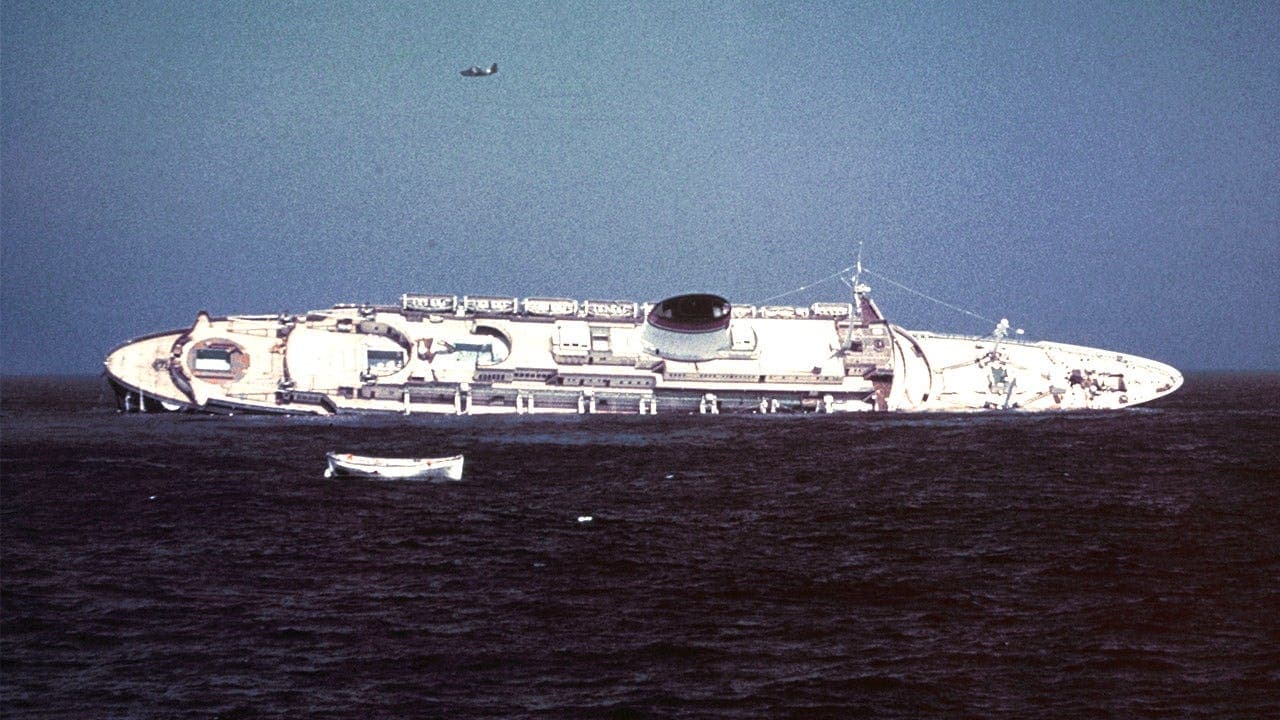
The wreck rests about 240 feet (73 metres) beneath the surface, a depth that can still be reached with ordinary scuba equipment. This makes the site far more accessible than deeper wrecks such as the Titanic, which require a submersible or other pressurised vehicle.
Nearly 70 years after the disaster, the steel hull is collapsing and the wreck is rapidly deteriorating. Retired U.S. Coast Guard Capt. Aaron Davenport told Fox News Digital, “The Andrea Doria is breaking apart. And as it’s moving around, things are falling.” Longtime explorer John Moyer added that the ship is in its “final stage” of flattening.
Divers also face a hazardous environment inside the wreck. The vessel lies on its side, so stairways, corridors and decks are all upside‑down, making it easy to become disoriented. Davenport warned, “It’s very easy to get tangled if you’re not careful,” because the wreck is littered with nets, fishing lines and other debris that can shift or hang inside the structure.
The danger is reflected in the death toll. Divers Alert Network, a nonprofit diving‑safety organization, recorded at least 17 scuba‑diver deaths linked to the Andrea Doria by 2016, and a further fatality in 2017 brought the total to at least 18.
Because of its depth, its rapidly worsening condition, and the complex, sideways layout, the Andrea Doria has earned the nickname “Mount Everest of shipwrecks.” It offers a rare combination of accessibility and extreme risk that challenges even the most experienced recreational divers.