

Why Gloria Steinem’s Death Still Shapes Today’s Gender‑Equality Fight
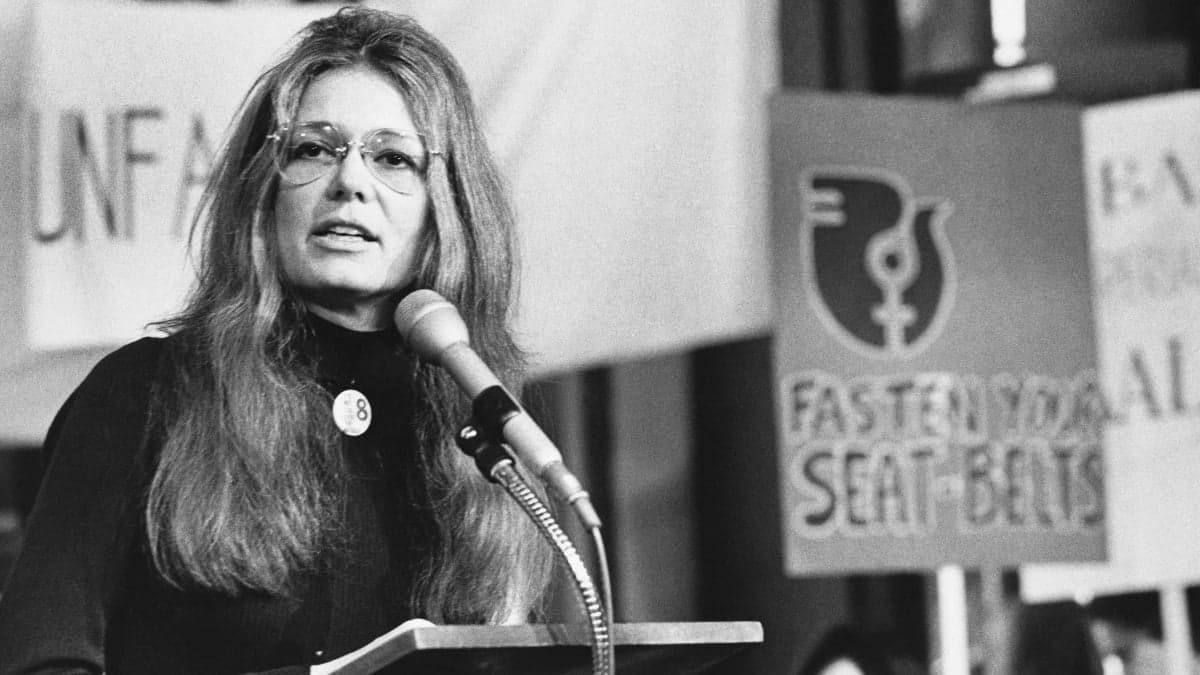
Steinem was a central figure in the United States’ second‑wave feminist movement that began in the 1960s. She co‑founded Ms. magazine and was honored with the Presidential Medal of Freedom in 2013 for her lifelong work for gender equality.
In her later years she kept the spirit of community alive by hosting “Talking Circles” in her living room, inviting hundreds of guests to discuss social‑justice issues. She also asked that, instead of flowers, people make donations to Gloria’s Foundation, which supports fellowships, residencies and the Talking Circles.
After the news broke, many public figures posted tributes online. Writer Roxane Gay called Steinem “one of a kind” and praised her “ferocity of her legacy.” Actor‑comedian Amy Sedaris wrote, “She was our leader… we have to be more like her.” TV producer Shonda Rhimes described her as “fierce, kind and full of grace.” Musician Carole King said the fight for power, equality and respect continues in Steinem’s memory. Representative Nancy Pelosi called her a “fearless trailblazer,” former Representative Stacey Abrams recalled her humor and relentless belief in improvement, and journalist Christiane Amanpour said Steinem will be remembered as “one of the most important activists of all time.”
The announcement came just days after the death of singer‑songwriter Dolly Parton. The last post on the Gloria’s Foundation Instagram account before the news was an archival photo showing Steinem together with Parton.
Steinem’s death matters today because the structures she built—Ms., the Talking Circles, and a network of activists—still shape how feminists organize, share stories, and demand equality. Her call for community dialogue and her example of lifelong activism inspire new generations to keep fighting for gender justice.