

People are only just realising why beer bottles are brown or green
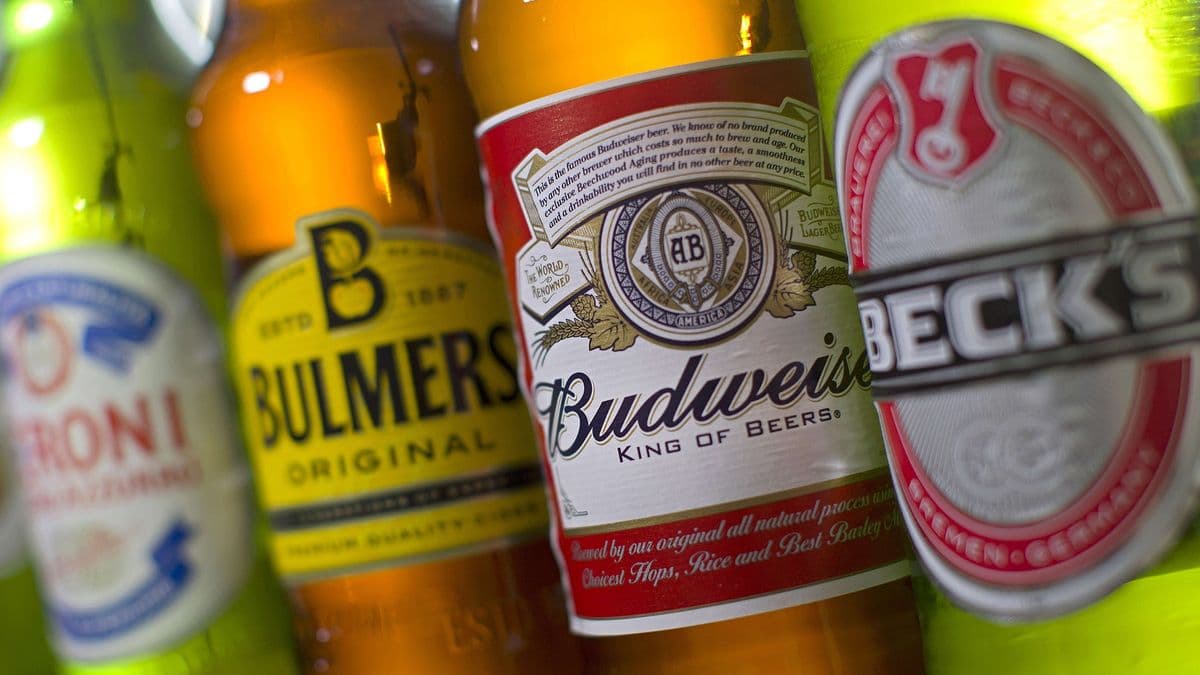
The colour of a beer bottle isn’t just about branding. The tinted glass is doing a very important job.
The colour comes down to how beer reacts to light. Hops are highly sensitive to UV and blue light.
When exposed, hops break down and form new compounds that can give beer an unpleasant smell.
People are often surprised to learn that light can have a noticeable impact on flavour. It’s a chemical reaction.
The green colour stops your drink going off.
Darker bottles help block out the wavelengths of light that trigger the reaction. Green bottles offer some protection.
The darker the glass, the more protection it provides. Amber bottles filter out the types of light that cause flavour changes.
Beers are sold in clear or lighter glass because it looks more appealing on the shelf.
Brewers adapt by altering the recipe or relying on stricter storage conditions to reduce exposure to light.
The same beer can taste slightly different depending on where and how it’s been stored.
A bottle in direct sunlight is more likely to develop off flavours than one kept in a cool, shaded place.
The colour of the bottle makes a big difference. Packaging and storage play a role in the drinking experience.
The colour of your beer bottle is quietly working to protect what’s inside.
The colour of the beer bottle is changing the way we think about grabbing a drink from the fridge.