

What the Mt. Shasta Rescue Teaches About AI and Tech in Outdoor Adventures
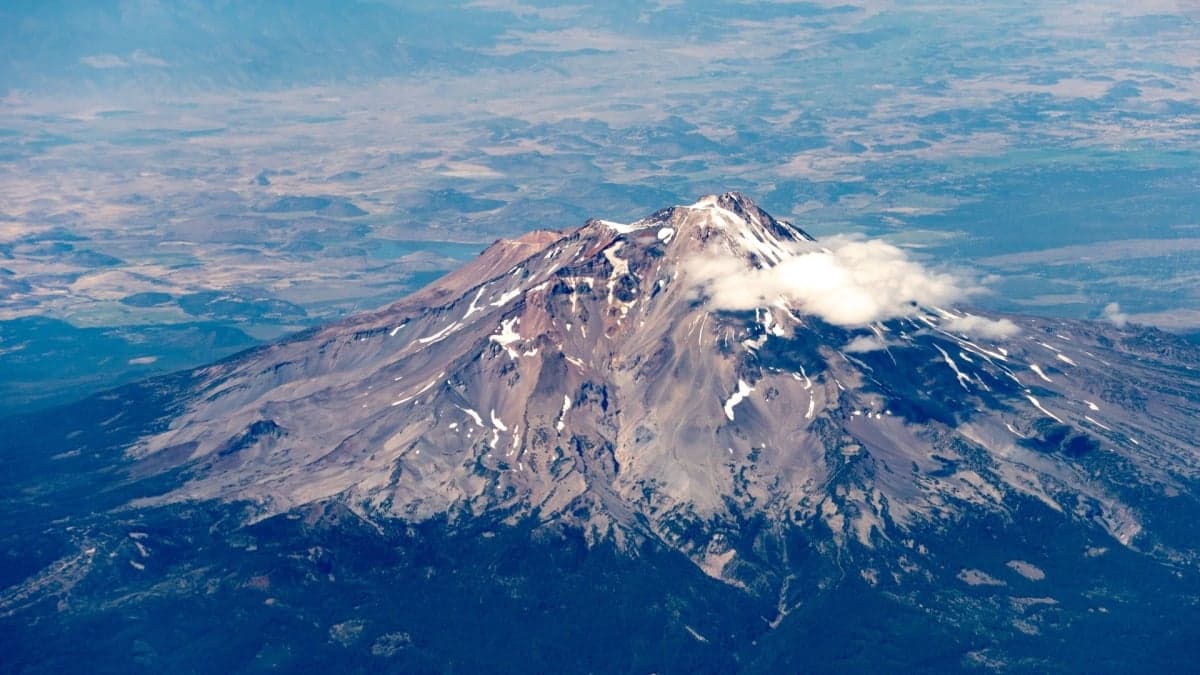
The AI told them the ascent would take about eight hours, so they packed food and water for that time, but the climb actually lasted 16 hours, twice the estimate.
By the time they reached the summit, their phone battery was dead, rendering the AllTrails map unusable for the descent and forcing them to navigate by sight.
Ranger Nick Meyers, the lead climbing ranger and director of the Mt. Shasta Avalanche Center, said AI‑related incidents on Mt. Shasta are on the rise and urged hikers to fact‑check AI information and consult real people before heading into risky terrain.
After the hikers called 911, a helicopter was dispatched but could not land because of strong winds; ground rescue teams arrived the next morning, and the group finally reached basecamp in the afternoon.
Chris Carr, co‑owner of Shasta Mountain Guides, warned that technology can create false confidence and reminded climbers to follow the “ten essentials” of mountaineering.
The rescue shows that while digital tools can help plan an adventure, they cannot replace critical thinking, proper equipment, and thorough preparation.