

When Fake Credentials Trick You: Protecting Health, Money, and Future Decisions
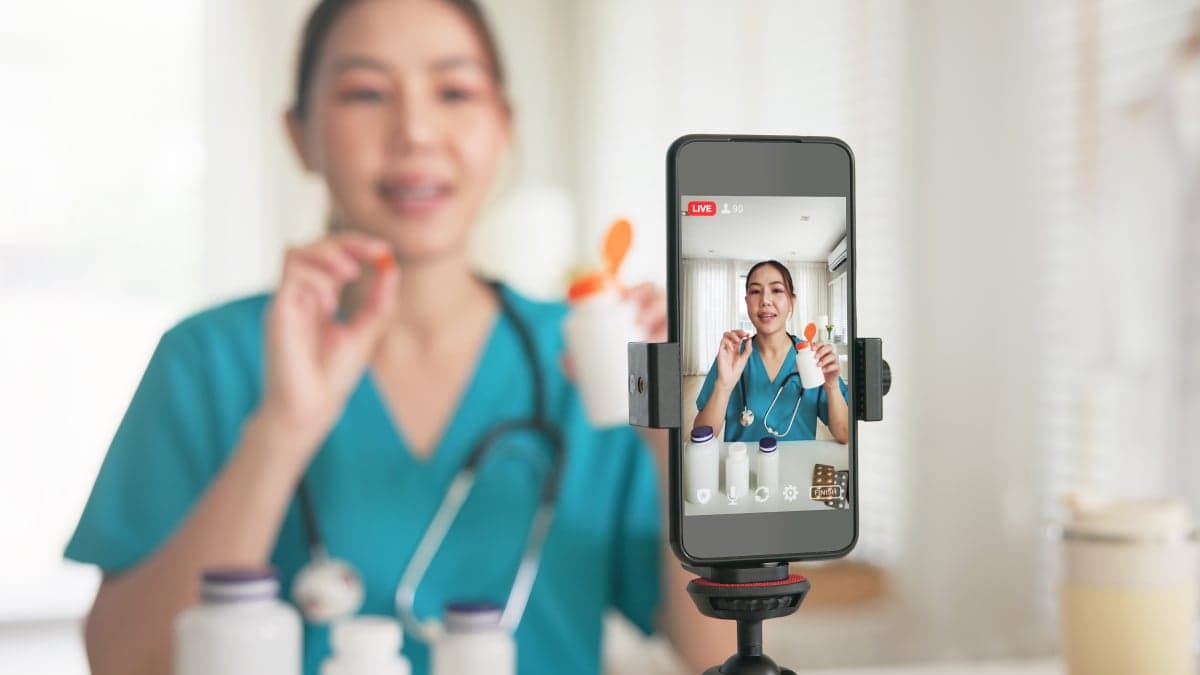
Murdock is not an isolated case. In Australia, Dalya Karezi built a TikTok audience of more than 200,000 as “dr.dalya.s,” pretending to be a doctor before pleading guilty in 2023 to falsely representing herself as qualified to practice medicine. In the United States, Jay Mazini (real name Jebara Igbara) claimed to be a wealthy cryptocurrency investor and used staged cash‑handouts to lure victims; he pleaded guilty to fraud and received a seven‑year prison sentence in 2024. Most recently, federal agents arrested Daejon Labrayae Love, who posed as a San Francisco 49ers wide receiver and real‑estate mogul, allegedly defrauding 26 victims of about $1.3 million.
Psychologists call the tendency to accept repeated false claims the “illusory truth effect.” Seeing the same claim many times makes it feel familiar, and familiarity can trick the brain into judging the information as true, even when evidence says otherwise.
The good news is that many false credentials can be checked quickly. State licensing boards list medical and real‑estate licences, sports teams publish official rosters, and most companies maintain staff directories. Going straight to these primary sources is far more reliable than trusting another social‑media post or a repeated Google snippet.
When a creator’s advice touches your health, finances or future plans, believing a fabricated résumé can cost you dearly. Taking a few minutes to verify a claimed qualification can protect you from harmful medical advice, investment scams, or other deceptive schemes.