

How Mekong Delta Families Prepare for the 2026‑27 Drought
In Hamlet E1, many families have turned to concrete tanks and portable containers to capture rainwater. Duy Linh’s household, for example, constructed three concrete tanks with a total capacity of 25 m³; each 15‑16 m³ tank cost more than VND10 million, yet the structures are durable, safe and can be moved if necessary. Neighbouring households also use plastic or stainless‑steel containers to supplement their supply.
Ngoc Nhan, head of the Binh Hoa Phuoc Rambutan Cooperative, warns that relying only on sluice gates is risky because closed gates can also cut off fresh water stored in garden canals. He therefore advises residents to collect and store fresh water early. Following his guidance, many farmers sew large bags from white plastic sheeting, seal the ends, place the bags in garden canals and pump fresh water into them for later irrigation.
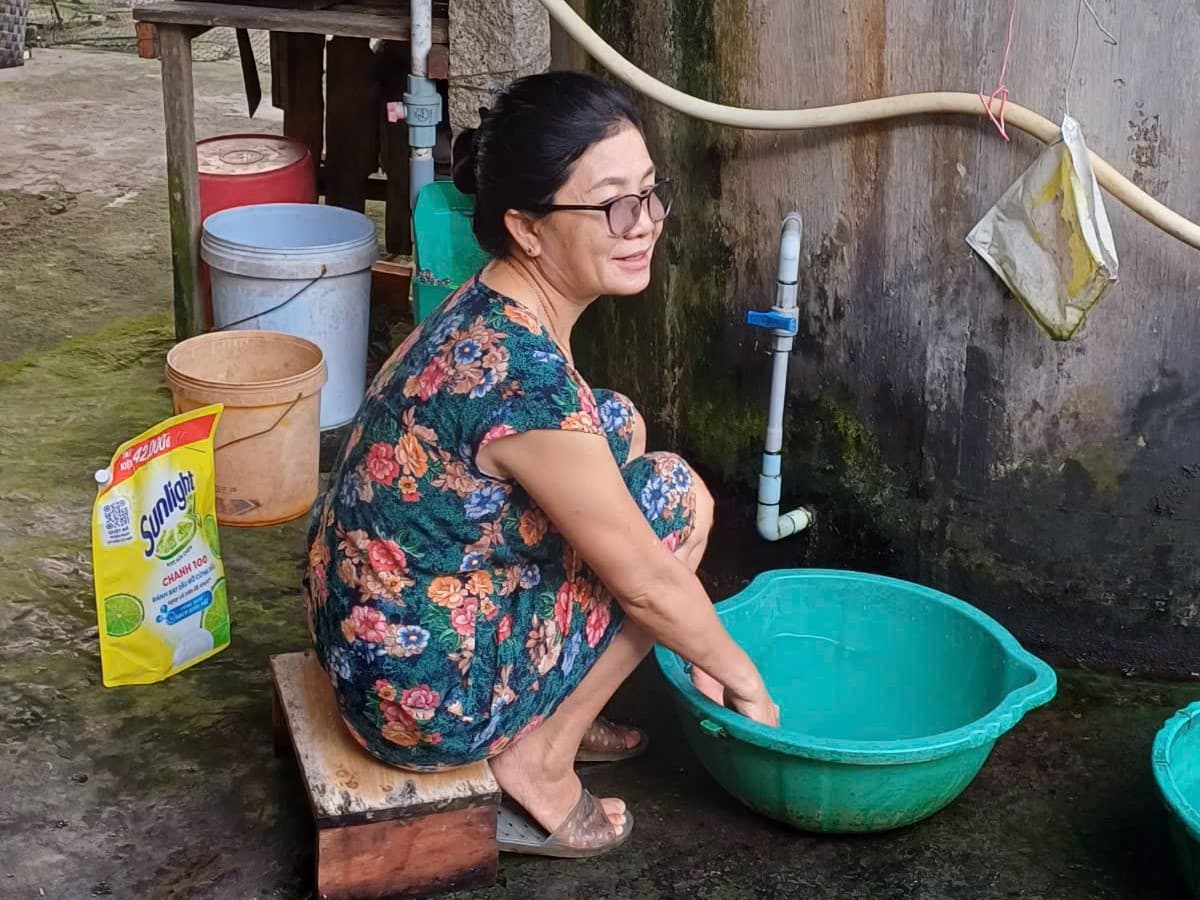
Pham Van Nhut of Phong My Hamlet is cleaning two water bags that each hold about seven cubic metres. The family’s original investment, including the bags, a storage tank and a pump, was around VND27 million. By keeping the bags ready, Nhut’s household can rely on stored water for household needs throughout the dry season, using one bag while keeping the other as a backup.
The key lesson is clear: in the face of an imminent drought, Mekong Delta residents secure water by building concrete tanks, using plastic or steel containers, and creating large sealed bags in garden canals. Early collection and careful storage can keep families supplied even when natural sources become unreliable.