

How Colonial Music Policy Cemented French Songs in Vietnam’s Elite Culture
In 1913 Albert Poincignon, a customs official and private music instructor, founded the Institut Musical de Hanoi, and in 1927 he established the Conservatory of the Far East. Both institutions were created explicitly ‘to alter the sensibilities and tastes of the Vietnamese,’ thereby institutionalising French musical pedagogy alongside the colonial curriculum.
The conservatory’s enrolment statistics reveal the success of this policy: by 1930 Vietnamese pupils outnumbered their French counterparts, and mastery of Western classical repertoire became a conspicuous marker of elite status. Even families that never sent their children to the school absorbed the aesthetic through private piano lessons and salon performances.
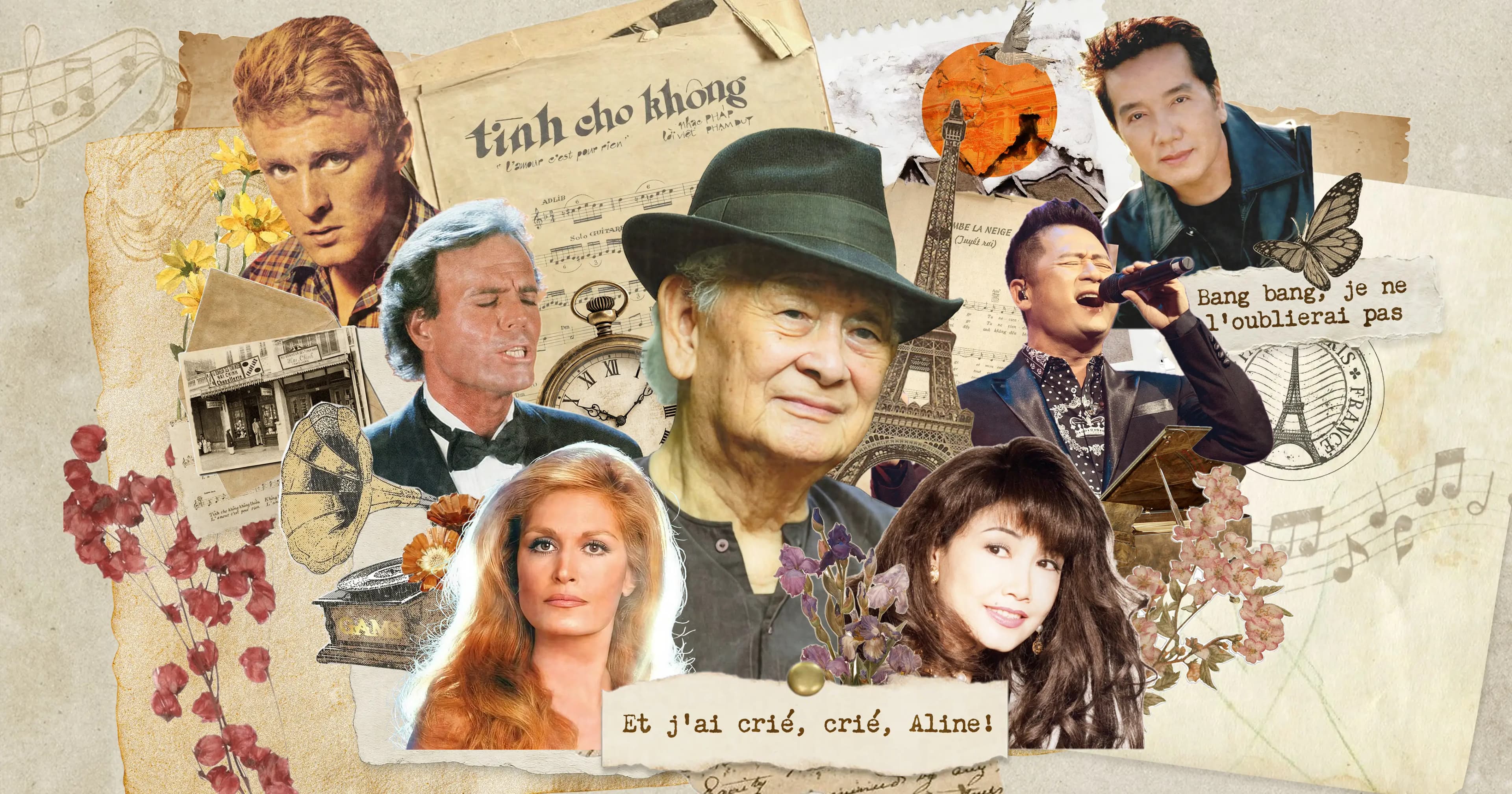
During the 1950s‑60s, when Saigon blossomed into a cosmopolitan musical hub, Vietnamese composers such as Phạm Duy—regarded as “the most prolific, varied, and influential of all the tân nhạc composers”—re‑crafted French pop melodies into tân nhạc hits—‘Tuyết rơi’ from Salvatore Adamo’s ‘Tombe la neige’ and ‘Gọi Tên Người Yêu’ from Christophe’s ‘Aline.’ These adaptations cemented a hybrid repertoire that persists in contemporary Vietnamese popular culture.
My own lineage exemplifies this transmission across four generations: my great‑grandparents were educated in French‑oriented schools; my grandparents received formal piano instruction and taught the curriculum themselves; and I grew up hearing both the original French recordings and their Vietnamese versions. The family’s continuous engagement illustrates how elite cultural capital perpetuated the French musical legacy long after the colonial era.