

From Dams to Distributed Power: How Laos’s Renewable Turn Redefines ASEAN Energy Dynamics
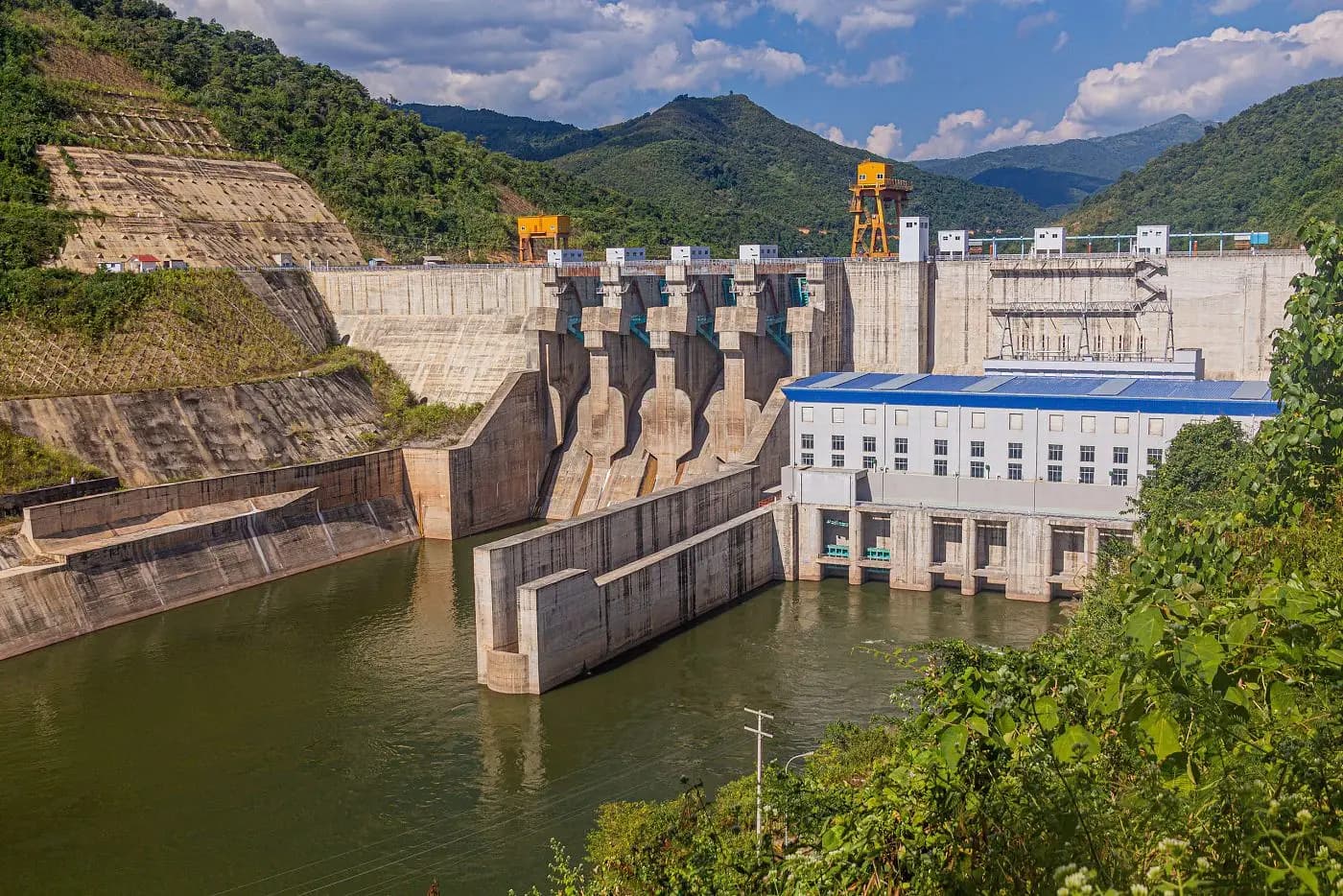
That export‑heavy paradigm is now being eroded by a confluence of non‑hydro renewable investments and the nascent ASEAN Power Grid, which together promise to dilute the region’s dependence on Lao dams while introducing solar‑ and wind‑sourced electricity into the cross‑border mix.
Thailand, the single largest purchaser of Lao power, is simultaneously charting a course toward energy diversification; its 2026 Power Development Plan earmarks an ambitious 5 GW of rooftop solar installations to be commissioned within a year, a move designed to hedge against volatile LNG prices and to curtail over‑reliance on imported hydropower.
Vietnam’s trajectory mirrors this shift: after importing roughly 1.5 GW of Lao electricity in 2025—chiefly hydropower—the country’s revised Power Development Plan targets a minimum of 8 GW of Lao imports by 2030, a quota that will be bolstered by the 600 MW Monsoon cross‑border wind farm now feeding Vietnamese grids.
Cambodia’s current intake of about 200 MW from the Don Sahong Dam is slated for a steep escalation, with the nation’s Power Development Plan projecting imports of roughly 3 GW from Laos by 2030 to sustain its rapidly urbanising demand centres.
Singapore entered the Lao‑hydropower corridor through the LTMS‑PIP, initially importing 100 MW in 2022 and expanding to 200 MW in 2026; the city‑state cites these clean imports as integral to its climate‑neutrality agenda, even as environmental NGOs flag the ecological toll of upstream dam operations.
The diversification toward solar and wind, coupled with a more integrated regional grid, augments energy security by dispersing supply risk, attenuating the geopolitical vulnerability inherent in a single‑source, single‑supplier framework, and offering greater flexibility to balance peak loads across borders.
Economically, while Laos’s hydropower exports have underpinned a US$2.6 billion revenue stream, the gradual substitution with lower‑cost renewables may compress that income; conversely, importing neighbours stand to benefit from potentially reduced electricity tariffs and from the avoidance of costly fossil‑fuel imports.
Environmentally, the shift mitigates many of the biodiversity and fisheries disruptions associated with large‑scale dams—issues that have long haunted the Mekong basin—yet the continued operation of existing hydropower assets and the construction of new renewable infrastructure still demand vigilant impact assessments.