

Why Saving Can Gio’s Mangroves Matters for Ho Chi Minh City’s Future
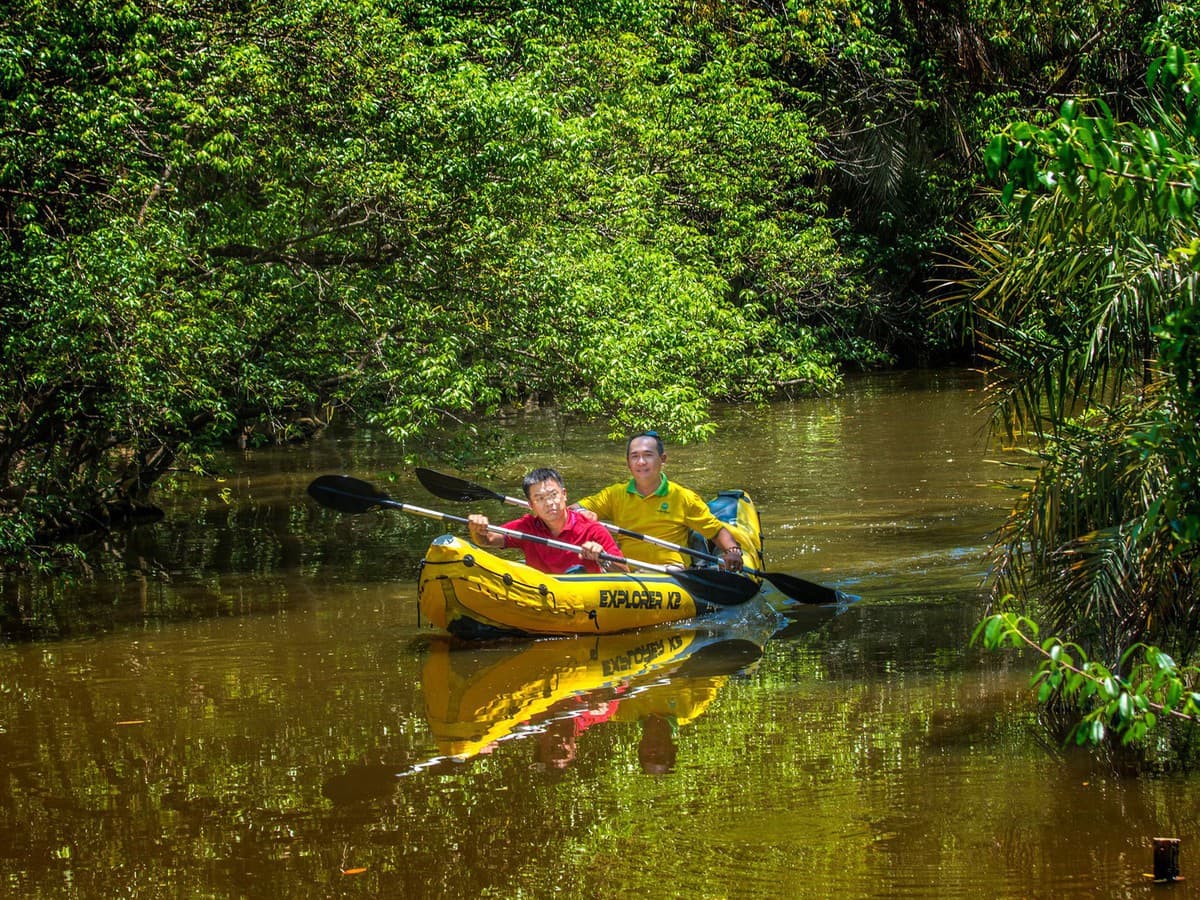
Following its expansion last year, Ho Chi Minh City now covers more than 6,700 square kilometres and is home to over 14 million people, according to Vice‑chairman Bui Minh Thanh. The larger city area brings new chances for economic and marine development, but also increases the responsibility to protect the environment.
Vice‑chairman Bui Minh Thanh warned that climate change, rising sea levels, biodiversity loss and fast urbanisation create growing challenges worldwide. He said a new development approach is needed, where nature conservation becomes the foundation for sustainable prosperity rather than opposing economic growth.
UNESCO recognized the Can Gio Mangrove Biosphere Reserve in 2000, and volunteers began replanting mangrove forests in the late 1970s after the war had heavily damaged them. Vietnam now has 12 UNESCO biosphere reserves, and Can Gio works with other reserves on projects to reduce marine litter and improve ocean education, according to UNESCO representative Jonathan Wallace Baker.
Integrating mangrove protection with urban planning is essential for Ho Chi Minh City’s long‑term sustainability. Preserving these ecosystems will help the megacity thrive while safeguarding its natural heritage.