

Warning signs of high blood pressure
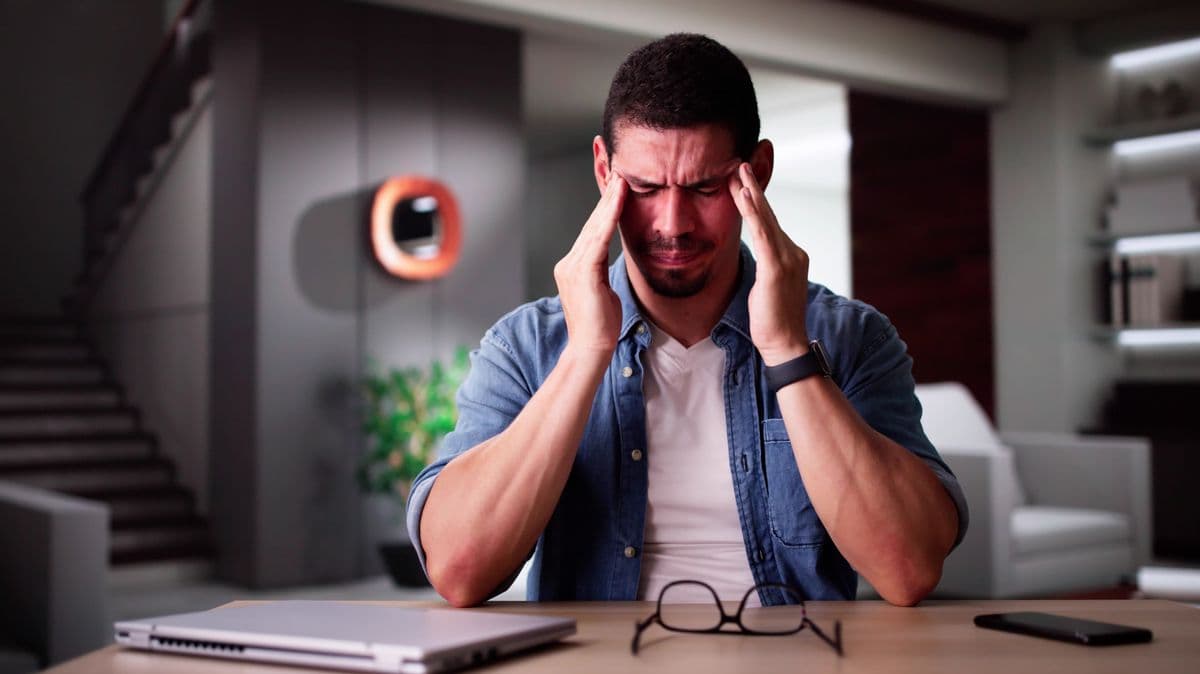
High blood pressure is called a 'silent killer' because it often has no symptoms until it becomes severe. If not treated, it can increase the risk of serious health problems like heart attacks and strokes.
A nurse shared five warning signs of high blood pressure on social media. These symptoms need to be discussed with a doctor who can diagnose the condition and decide if treatment is needed.
Most people with high blood pressure feel fine, which is why it's called a silent killer. It affects one in three adults in the UK, and many people don't know they have it.
One sign of high blood pressure could be headaches when you wake up. Not all headaches are a sign, but persistent morning headaches should not be ignored.
Other symptoms to mention to your doctor include blurred vision, seeing spots, or changes in eyesight. The eyes have small blood vessels that are sensitive to changes in blood pressure.
Feeling short of breath during activities that shouldn't be hard is another cause for concern. Even simple tasks like going upstairs can leave you more breathless than usual.
This means your heart is working harder than it should. Nosebleeds are usually not serious, but frequent or heavy nosebleeds with other symptoms should not be ignored.
The fifth sign is often overlooked because it's not a physical problem. Patients often talk about feeling anxious or restless without a clear reason.
Many pharmacies offer free blood pressure checks for people over 40.
Many pharmacies offer free blood pressure checks for people over 40. You can also get checked at a doctor's office if you think you might have high blood pressure.
A normal blood pressure reading is 120/80 or lower. If you get checked, a doctor can explain the results and tell you what to do next.
You can call 111 or get help online if you need it.
The only way to know for sure if you have high blood pressure is to get your blood pressure checked. Some symptoms might indicate a problem, but a check is the only way to be sure.
You can control high blood pressure with medicine and lifestyle changes, including diet. The NHS recommends at least 150 minutes of exercise per week to reduce the risk of high blood pressure.