

Why Driverless Excavators Are Appearing on Construction Sites
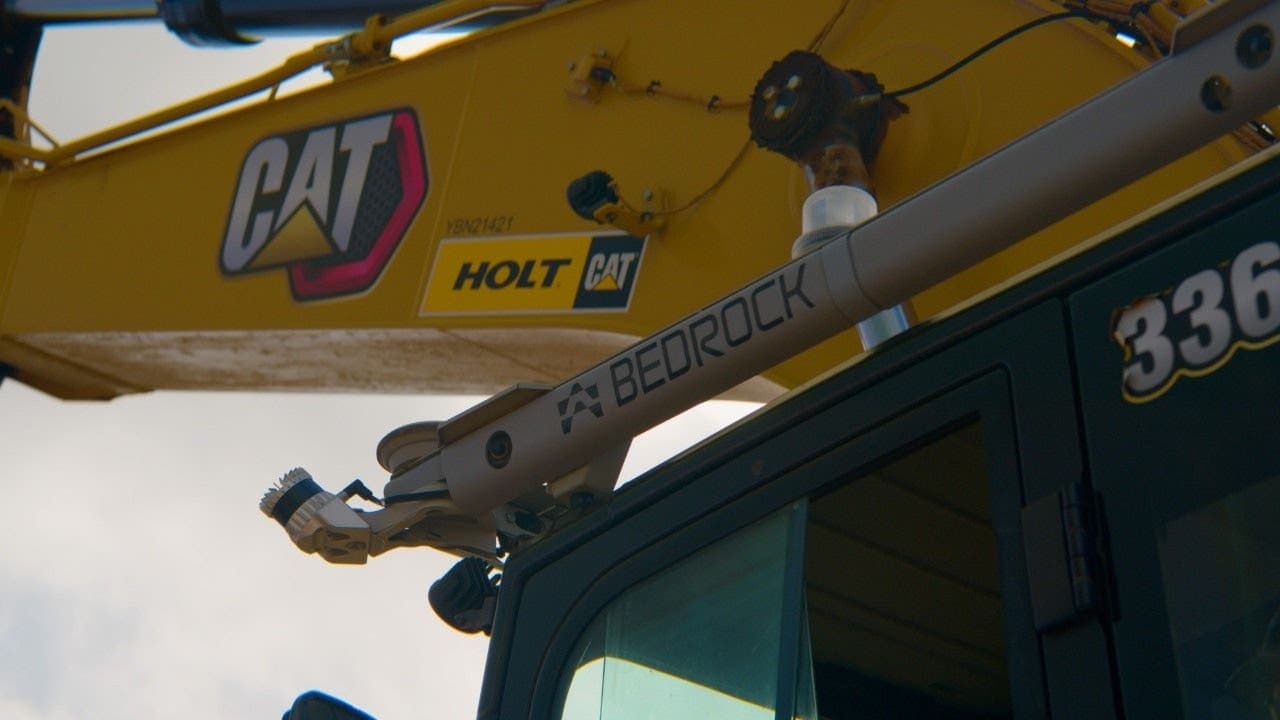
The company’s system, called the Bedrock Operator, is a sensor and computing package that can be retrofitted onto an existing excavator in a single day, without permanent modifications.
Current deployments include a Nevada water‑treatment plant built by Sundt Construction, a multimillion‑cubic‑yard earth‑moving contract in Texas with Champion Site Prep, and a 1.2 million‑cubic‑yard civil sitework job for Zachry Construction.
Bedrock points to industry data that about one in five construction workers is over 55 years old and that more than 40 % could retire within the next five years, creating a growing shortage of skilled operators.
According to a Bedrock spokesperson, the autonomous machines are already delivering productivity that is close to human‑level, and human intervention is needed only rarely, which helps keep projects on schedule despite the labor gap.
The rollout shows that driverless excavators are being adopted mainly to fill the gap left by a shrinking workforce and to boost overall project efficiency, while still keeping a person in the loop for safety.