

Mistrial in Lindsay Clancy Case: How One Holdout Stopped a Verdict
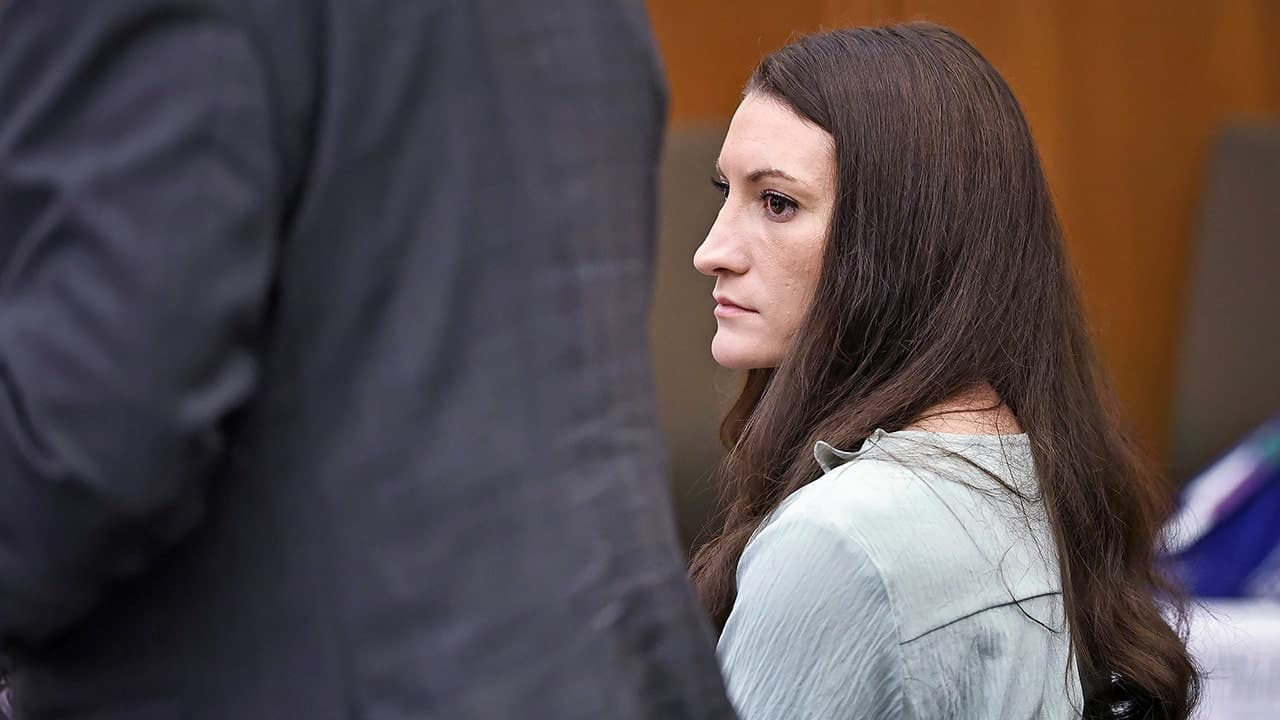
Lindsay Clancy was tried for the January 2023 strangling deaths of her three young children. After her husband left to get medication, the children were found unconscious in the basement; two died that night and the third died days later in a Boston hospital.
During the trial, the jury was asked to decide whether Clancy was criminally responsible or not guilty by reason of lack of criminal responsibility, Massachusetts’s version of an insanity defense. After deliberation, eleven jurors voted for the insanity finding, while one juror voted that she should be held criminally responsible.
Juror Paula, 65, said the jury "let down Lindsay" and explained how hard it was to separate the children from the task of deciding her fate. The foreperson wrote a note to Judge William Sullivan that the jury could not reach a verdict. The judge then asked each juror individually if they could apply the law as explained; all answered they could. The single holdout’s refusal to accept the insanity standard meant the jury could not reach a unanimous decision, resulting in a mistrial.
Clancy’s defense team responded by filing a motion asking the judge to enter a not‑guilty verdict based on insanity, arguing that a retrial would be unnecessary. If the motion is granted, the case ends without another trial; if not, prosecutors may retry the case.