

Why Ho Chi Minh City’s Haze Sticks Around: Weather, Buildings and Possible Smoke from Indonesia
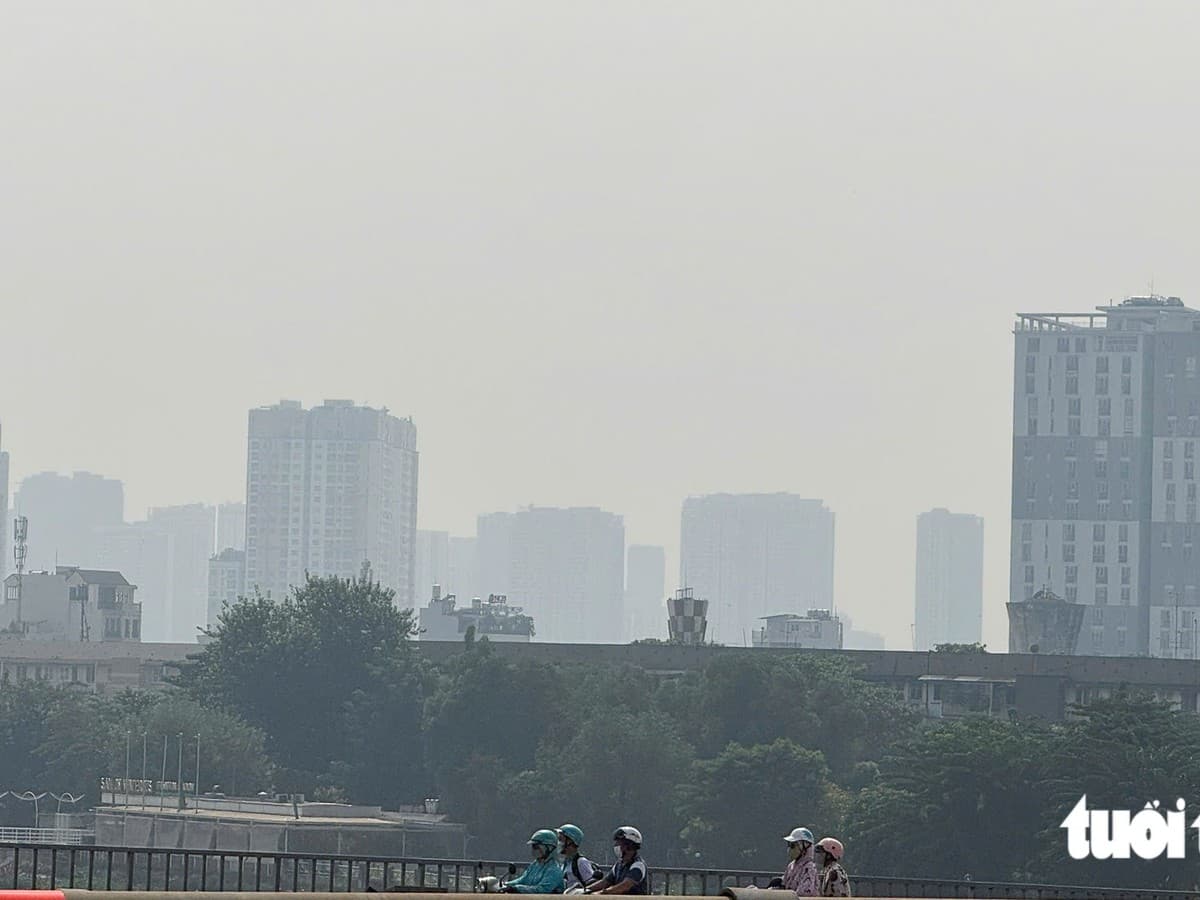
Le Dinh Quyet said early‑morning humidity was between 91 % and 96 %, low clouds covered 60‑80 % of the sky, and weak winds after rain kept moisture near the surface. These conditions prevented the haze from dispersing quickly.
He also noted that high‑rise buildings in the densely built‑up city restrict air circulation, which traps mist and reduces visibility. In addition, a weak low‑pressure trough, a retreating subtropical high‑pressure system and lingering easterly wind disturbances added to the stagnant air, making the haze persist longer.
Le Thi Xuan Lan added that transboundary haze from Indonesia’s forest fires has previously reached southern Vietnam and could also affect Ho Chi Minh City. She reminded that whether smoke from Indonesia contributed to Thursday’s haze still requires measurements. Without those data, scientists cannot confirm the exact role of the distant fires.
In short, the haze results from a combination of high humidity, weak winds, low clouds, urban building effects and the possible arrival of smoke from Indonesian fires. Further measurements are needed to determine how much the foreign smoke added to the local conditions.