

Balancing Openness and Resilience for Sustainable Growth
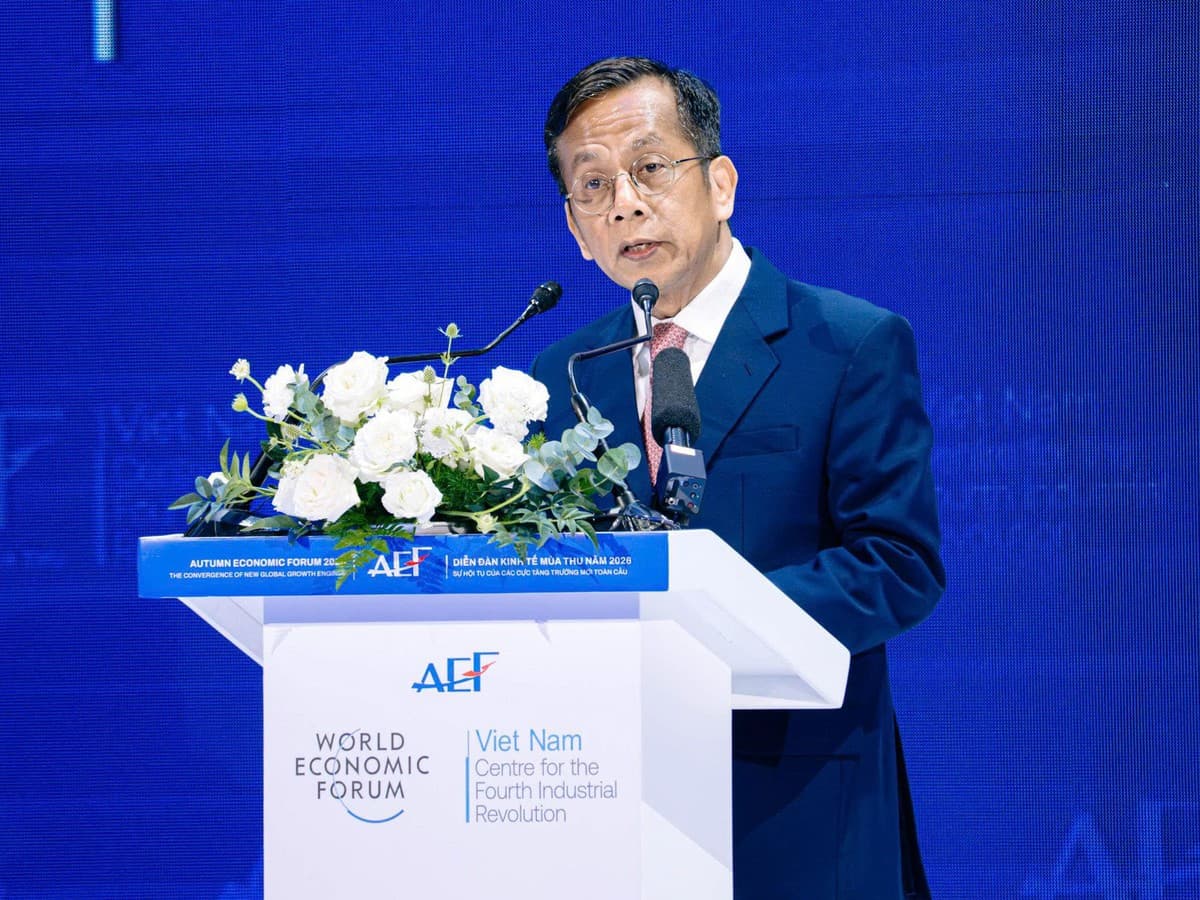
Countries must stay open to global trade and investment, but they also need to cut excessive reliance on any single market or supply chain to survive economic shocks. Doing so helps capture new growth drivers without exposing the economy to risk.
Officials from the Philippines, the United Arab Emirates, the United Kingdom, China and Cambodia highlighted the growing importance of cooperation in artificial intelligence, digitalisation, clean energy and sustainable manufacturing. They said these fields are now key engines of future growth.
Arsenio M. Balisacan, Secretary of the Philippines’ Department of Economy, Planning and Development, noted that integration has lifted incomes for decades but also made economies vulnerable when they depend too much on particular industries, suppliers, markets or routes. He argued that the answer is not to stop integrating, but to reduce excessive dependence and build each country’s own capabilities.
ASEAN’s regional projects illustrate how cooperation can support both openness and resilience. The ASEAN Petroleum Security Agreement, the ASEAN Power Grid and the soon‑to‑be‑signed ASEAN Digital Economy Framework Agreement all aim to secure energy, improve connectivity and expand cross‑border digital trade.
Zhang Qi, vice‑president of the Development Research Center of China’s State Council, said global green‑energy investment reached US$2 trillion and that emerging and developing economies contributed more than 70 percent of world growth. She also pointed out that Vietnam’s GDP grew above nine percent in the first three quarters of 2026, showing the benefits of an open yet resilient approach.