

How a VPN Encrypts Your Connection and Lets You Stream from Anywhere
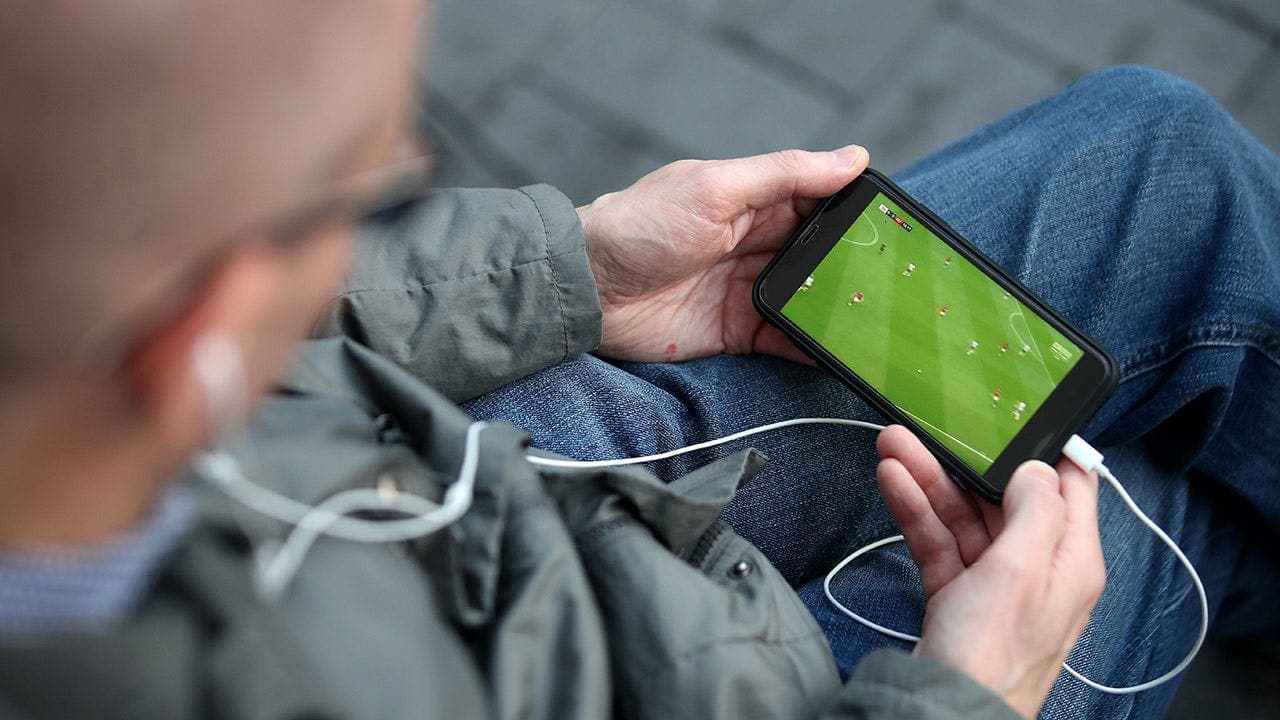
When you turn on a VPN, all of your internet traffic first travels to the VPN server through this encrypted tunnel. The server then forwards the traffic to the websites you visit, so the local Wi‑Fi network can’t see the details of what you’re doing.
One of the most useful features for travelers is the ability to pick a server in a different country. By selecting a server in your home country, you can sign in to the streaming services you already use and appear to be browsing from that location.
However, the shows and movies you can watch still depend on your subscription plan, the service’s local licensing rules, and regional rights. A VPN does not change those rules; it only changes the apparent location of your device.
To avoid problems abroad, set up and test the VPN before you leave. Install the VPN app on every phone, tablet, or laptop you plan to bring, log in, and make sure the connection works while you still have a reliable home internet connection.
Remember that a VPN adds an extra encrypted tunnel beyond HTTPS, but it cannot guarantee access to any specific show or bypass a provider’s terms of use. Some services may still block VPN traffic or restrict certain content.
Using a VPN while traveling gives you stronger privacy on unfamiliar Wi‑Fi and lets you choose a location that matches your streaming subscriptions, but you must still respect each service’s regional rules and test everything ahead of time.