

Why the AI‑Consciousness Debate Is Crucial for Responsible Development
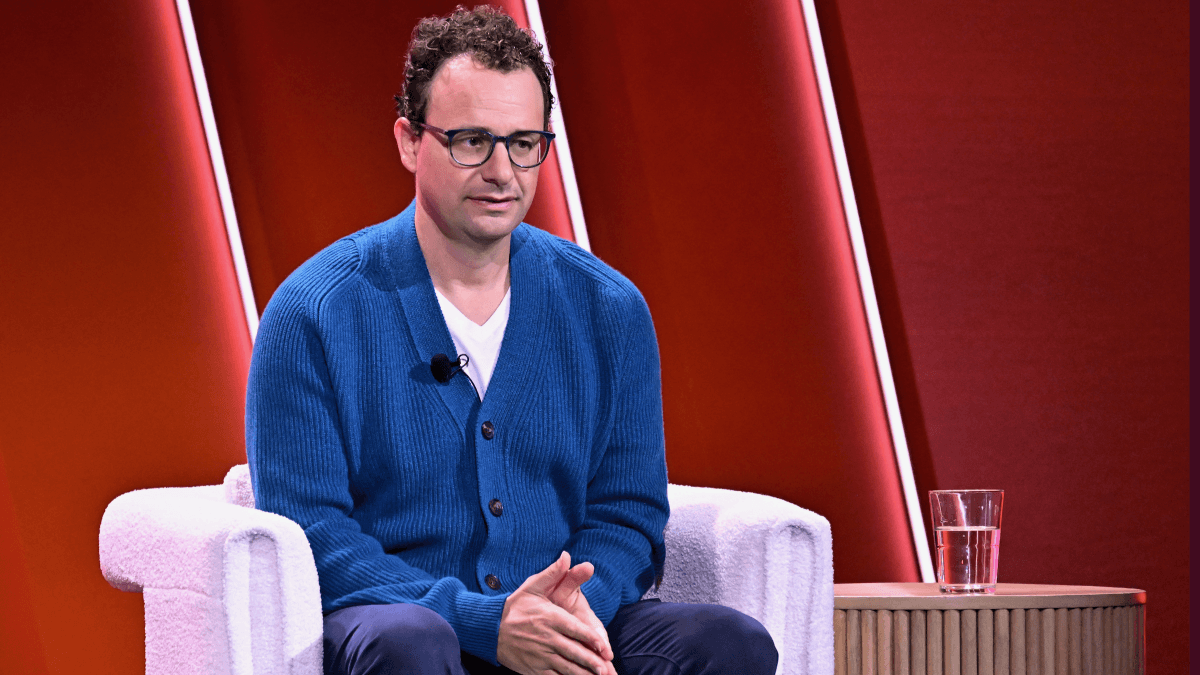
Microsoft AI CEO Mustafa Suleyman penned an essay that directly accuses Anthropic of anthropomorphising its large‑language model Claude.
Suleyman’s critique is reinforced by Microsoft’s newly released Humanist AI code of conduct, which explicitly rejects any attempt to endow machines with consciousness and insists that AI should be engineered solely to serve human‑defined goals.
He argues that consciousness is very likely a biological phenomenon, dependent on a living substrate that large‑language models lack. Without homeostatic drives or a biological nervous system, AI cannot generate the preferences, sentience, or subjective experience that define consciousness.
Anthropic’s own “constitution” for Claude repeatedly describes the model as if it possessed a living identity, moral motivations and even personal aspirations, stating that the document is “written primarily for Claude” to help it understand its situation and the reasons behind its shaping.
AI researcher Gary Marcus, a noted critic of large‑model hype, warned that anthropomorphising AI distracts from concrete security challenges. He urged the community to focus on protecting infrastructure from malicious misuse rather than indulging in fanciful narratives about machine souls.
The stakes of this debate extend beyond academic semantics. If policymakers treat anthropomorphic language as factual, they may craft regulations that misallocate resources, create legal ambiguities, or even jeopardise human wellbeing by granting undue moral status to tools that lack any inner life. A clear, biologically grounded view of consciousness, as advocated by Suleyman, helps keep AI governance grounded in empirical reality.