

Why Only One‑Third of Hoi An Visitors Pay Admission Fees
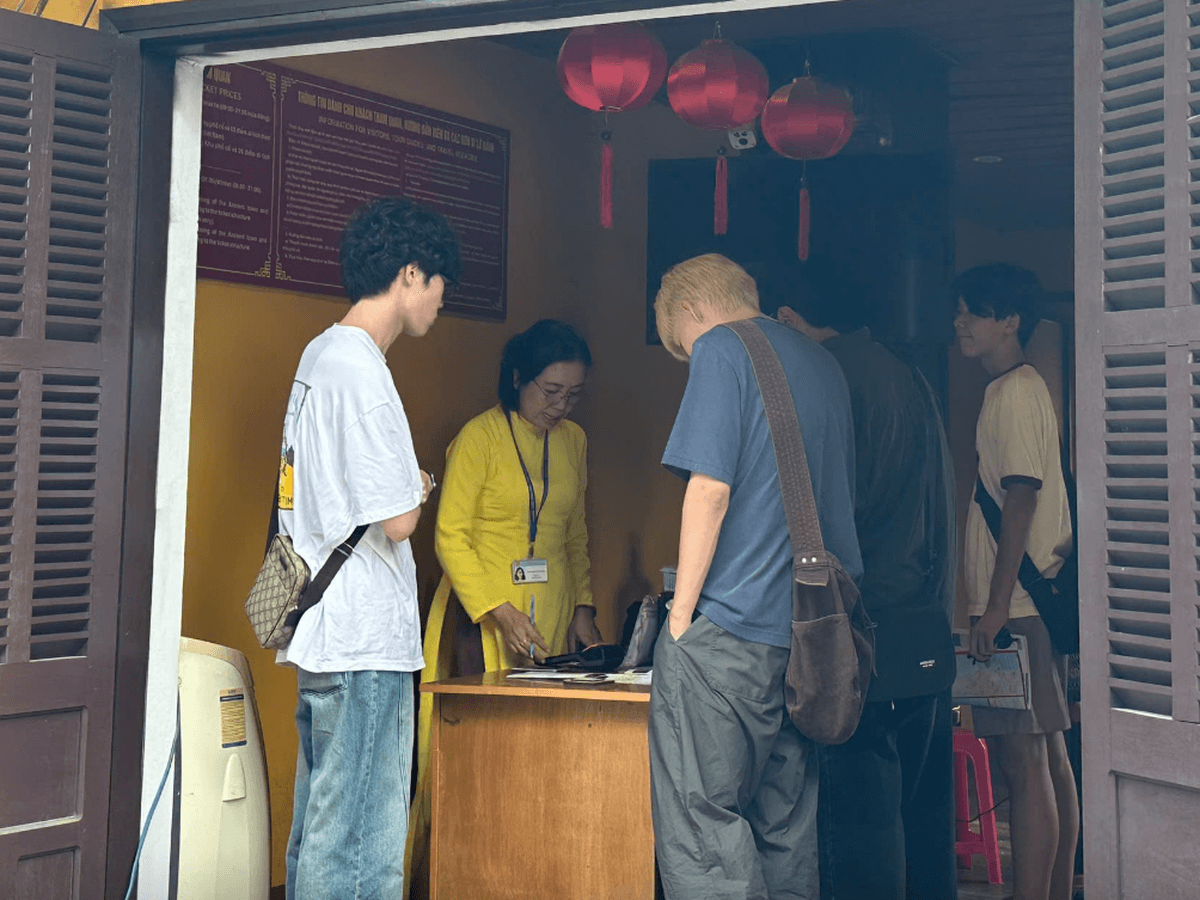
The same conference data showed ticket sales fell to 1.71 million in 2025, even though the number of visitors rose. The drop in revenue highlights a mismatch between tourist volume and actual financial support for the town.
The Da Nang Tourism Association explained that most current activities are repetitive, focusing on lantern displays, floating basket‑boat rides and cycling tours. In‑depth cultural programmes, arts projects or wellness services are still limited, which makes visitors less likely to purchase tickets.
More than 80 percent of the 1,175 heritage sites are privately or collectively owned. The resident population fell to just over 3,000 in 2023, with about 40 percent of original homeowners having moved away, according to Pham Phu Ngoc and Pham Thi Thanh Huong.
Conference speakers suggested creating deeper cultural products, using technology and artificial intelligence to link tourists with authentic experiences, and introducing housing policies that keep residents engaged in heritage preservation. They argued that these steps could boost ticket sales and protect the town’s identity.
In short, the low ticket‑purchase rate stems from limited experience options, the decline of local residents, and the current revenue‑management approach. Addressing these issues with new cultural offerings and resident‑focused policies could improve both preservation and tourism income.