

Why Trang An Earned a Spot on the IUGS 100 Geological Heritage List
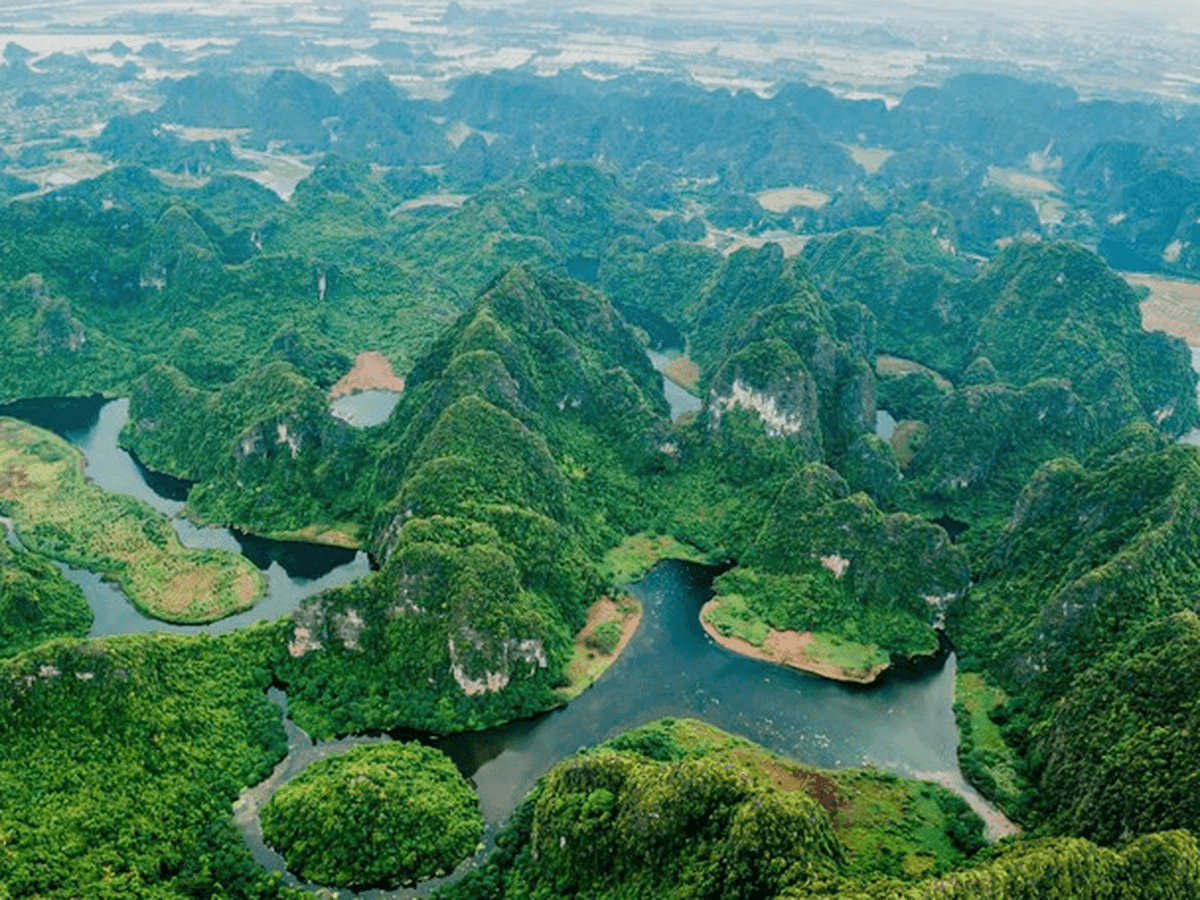
The International Union of Geological Sciences (IUGS) describes Trang An as the world’s best‑known example of a tropical karst landscape that was once inundated by the sea and has since emerged above ground. This description points to a rare geological history that few places share.
Featuring distinctive landforms shaped by more than 250 million years of geological evolution, the area includes cone‑shaped and tower‑shaped limestone mountains, enclosed valleys, karst depressions and extensive underground cave networks with stalactites and stalagmites. These features illustrate the long‑term processes that created the landscape.
Trang An also preserves intact evidence of past sea‑level changes, such as wave‑cut notches on cliff faces, wave‑cut platforms, beach sediments and accumulations of marine shells. These records help scientists understand how sea levels and landscapes have shifted over geological time.
According to the Ninh Binh Department of Tourism, the site’s geological significance, together with its UNESCO World Heritage status and sustainable tourism model, led to its recognition by IUGS in 2026. The combination of scientific value and responsible management convinced the international body to list Trang An among the world’s top 100 geological heritage sites.