

Why fire smoke and weak policies caused a deadly air‑pollution crisis in Indonesia
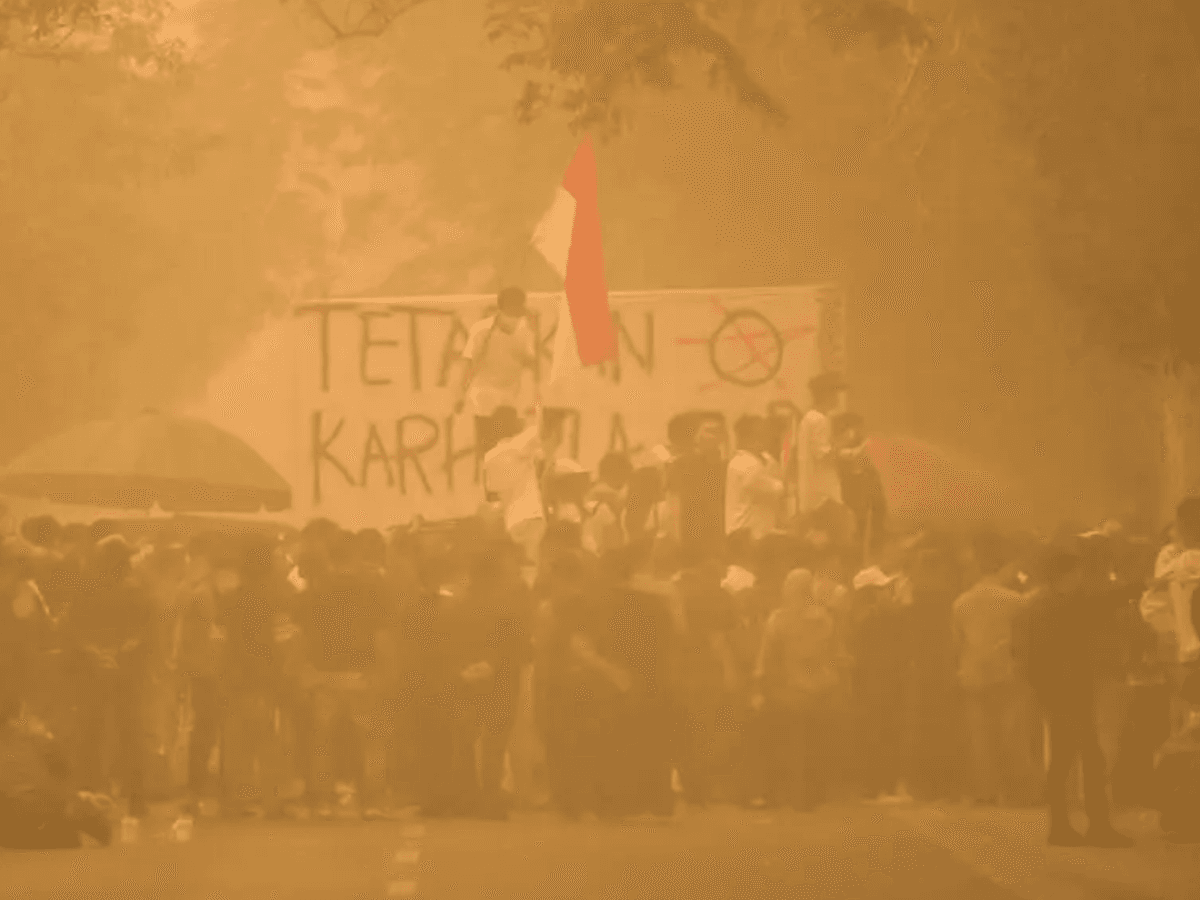
According to a CREA study, fire smoke pollution was linked to an estimated 3,560 deaths in September. The Centre for Research on Energy and Clean Air (CREA) said about 57.8 million Indonesians breathed unhealthy to hazardous air that month. The report said PM2.5 levels in Kalimantan were up to 24 times the World Health Organization’s threshold, causing short‑term mortality.
Experts say the wildfires were driven by slash‑and‑burn land‑clearing, a drought made worse by the El Niño phenomenon, and peatlands that had been drained. These conditions created intense, long‑lasting fires across Borneo, Sumatra and Java.
The CEO of Landscape Indonesia consultancy, Agus Sari, pointed to the government’s weak preparedness as a major problem. He noted budget cuts that hampered the national disaster agency, and a lack of will to enforce laws against illegal burning. Such insufficient law enforcement allowed the fires to spread unchecked.
The CREA study also counted 1,750 deaths from industry, power plants and traffic, bringing the September total to 5,310 across Indonesia. These non‑fire sources were especially important on Java, where most deaths came from industry and vehicles.
The tragedy shows that slash‑and‑burn clearing, severe drought, drained peatlands and weak government response can combine to create lethal air‑pollution levels. Understanding these links can help other regions avoid a similar health crisis.