

Tech and Talent Drive Prosperity in Southeast Asia under FOIP
While FOIP still rests on freedom, openness and the rule of law, recent years have seen it give more weight to technological cooperation and workforce development, especially in digital technology and semiconductors. This shift aims to build a stronger, more prosperous region together with partners such as ASEAN.
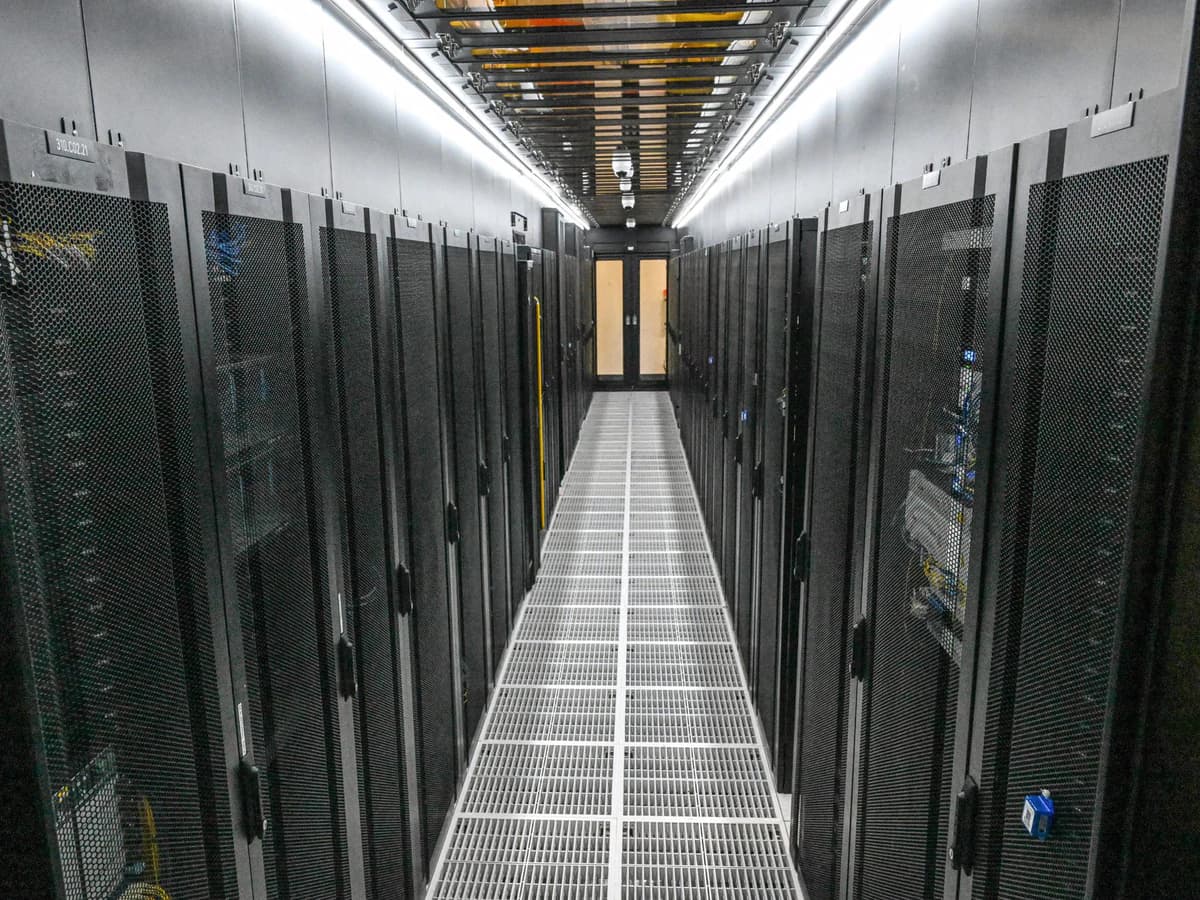
Johor, the southernmost state of Malaysia, has become one of Southeast Asia’s leading data‑center hubs. Companies like Microsoft, Nvidia and NTT Data chose Johor because it offers abundant land, lower acquisition costs and cheaper electricity, while Malaysia’s political stability adds confidence.
NTT Data is constructing a 290 MW data‑center campus in Johor and will use direct liquid‑cooling technology to keep servers cool. The first building is planned to start operations in April 2027.
Vietnam is also investing in talent, aiming to train 50,000 semiconductor professionals by 2030. Vietnam Japan University launched a semiconductor talent program in October 2025, while Intel and Samsung are expanding semiconductor operations in the country, reflecting a move to diversify supply chains away from China.
These examples show how Southeast Asian nations are turning FOIP’s focus on technology and skills into real economic growth. By attracting high‑tech investment and building a skilled workforce, they are creating jobs and supporting the broader FOIP vision of shared prosperity.