

Why India's Air Monitors Missed the Worst of Diwali Smog
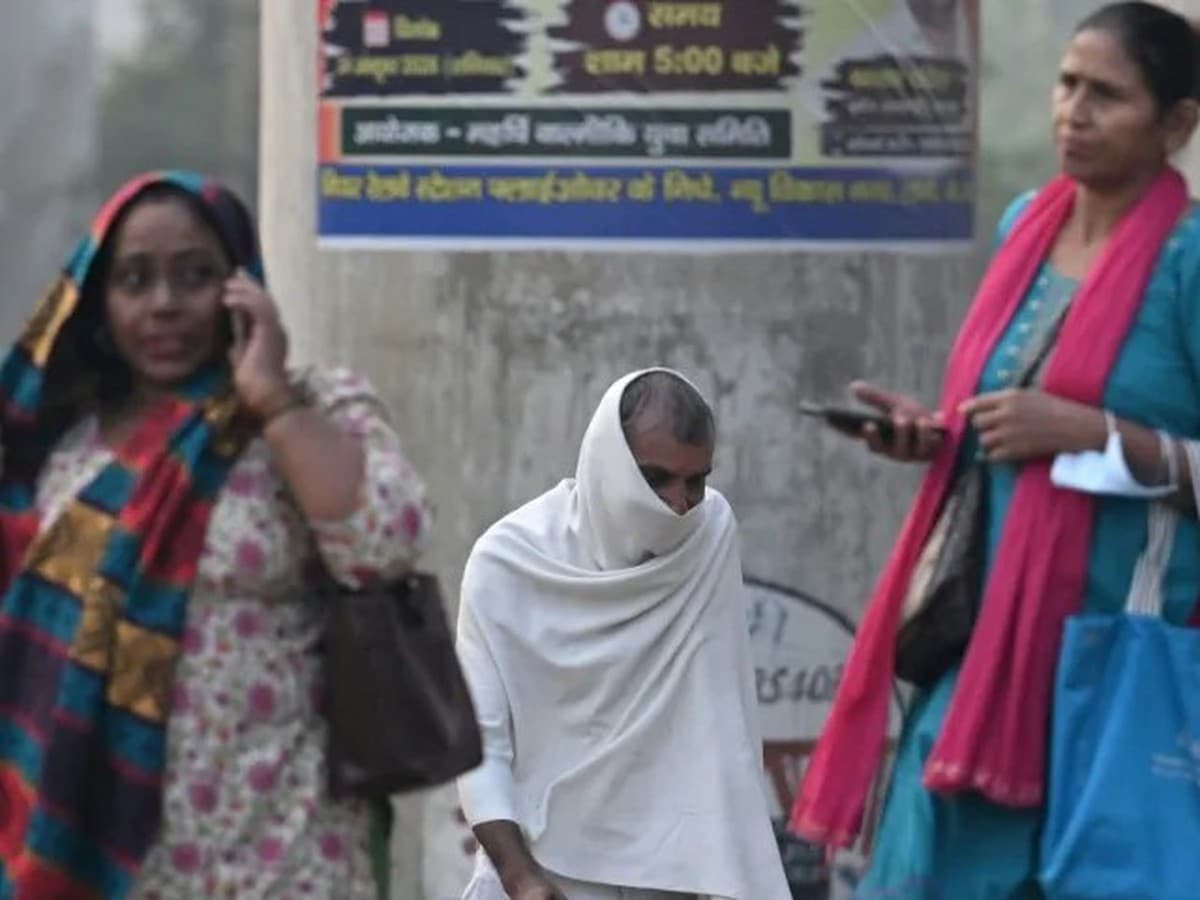
Regulators said pollution concentrations exceeded the monitors’ upper measurement limit, which is equivalent to 66 times the WHO daily maximum for PM2.5. Because the hourly values were outside the calibrated range, the system excluded them, creating a data gap.
According to the Central Pollution Control Board, the particulate‑matter analysers installed with the National Air Quality Index in 2015 are calibrated to measure up to 1,000 µg per cubic metre, and any reading beyond that is discarded by the automated validation system. This design means that extreme spikes can be omitted from the final index.
When the monitors resumed after the fireworks, a reading of 879 µg per cubic metre was recorded in Delhi’s Mandir Marg locality, which is more than 58 times the WHO daily limit, according to monitoring organisation IQAir that used city‑government data. The CPCB explained that such gaps reflect measurement differences, not deliberate under‑reporting.
Opposition politicians, including members of the Aam Aadmi Party and the Congress, accused the government of data fraud for the missing readings during the extreme smog episode. They argue that the absence of data does not mean the pollution disappeared.
The episode shows that technical limits of air‑quality sensors can hide dangerous pollution spikes, leaving the public unaware of the true health risk. Recognising these measurement gaps is essential for improving air‑quality reporting.