

How West Nile Virus Can Affect You and How to Stay Safe This Summer
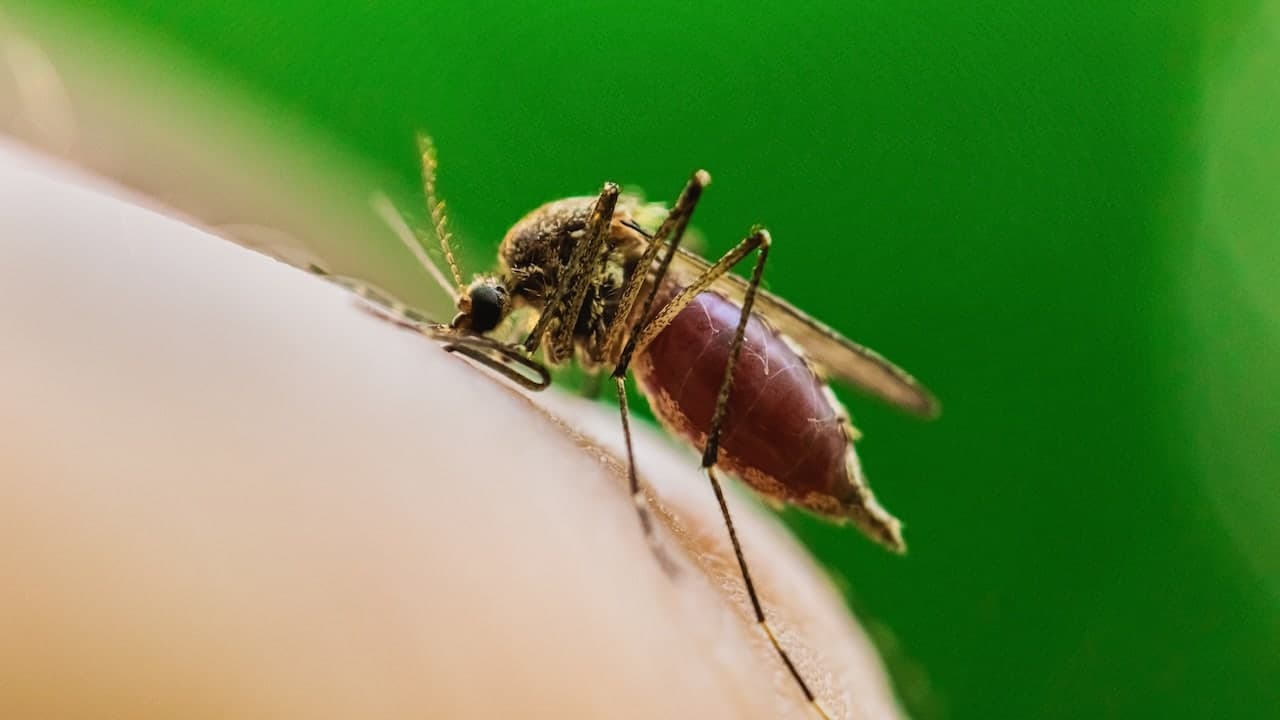
CDPH Commissioner Garth Walker said 2026 has brought the rainiest summer Chicago has seen in years, giving mosquitoes ample opportunities to breed.
West Nile virus is most commonly spread to people through the bite of an infected mosquito; mosquitoes pick up the virus when they feed on infected birds.
For most people the infection causes no symptoms or only mild fever, aches or rash, as noted by the Centers for Disease Control and Prevention. Dr. Tyler Evans explained that about 20‑25 % of infected individuals develop flu‑like symptoms such as fever, headache and body aches. In rare cases the virus can invade the nervous system, causing meningitis, encephalitis, paralysis or death, especially in people over 50‑65 or those with weakened immune systems.
To curb the outbreak, the Chicago Department of Public Health has sprayed insecticide in several neighborhoods, including Beverly, Burnside, Chatham, East Garfield Park, the Lower West Side, Morgan Park, the Near West Side, North Lawndale, O’Hare, Pullman, Roseland, South Deering, Washington Heights, West Lawn and West Pullman.
Health experts recommend using repellents that contain at least 30 % DEET, avoiding outdoor activities at dusk, wearing loose long‑sleeved clothing, and removing standing water from places like buckets, tires and gutters to stop mosquitoes from breeding.