

Why Tasers Sometimes Fail: Body Fat, Clothing and Probe Placement
Police Commissioner Jessica Tisch told reporters that the tasers were ineffective and that Cisneros kept moving toward the officers with her knives.
According to Axon, the maker of the NYPD’s standard taser, the device launches two small barbed probes that must hit the body at least 12 inches (about 30 cm) apart. Officers are trained to aim for large muscle groups such as the back and thighs.
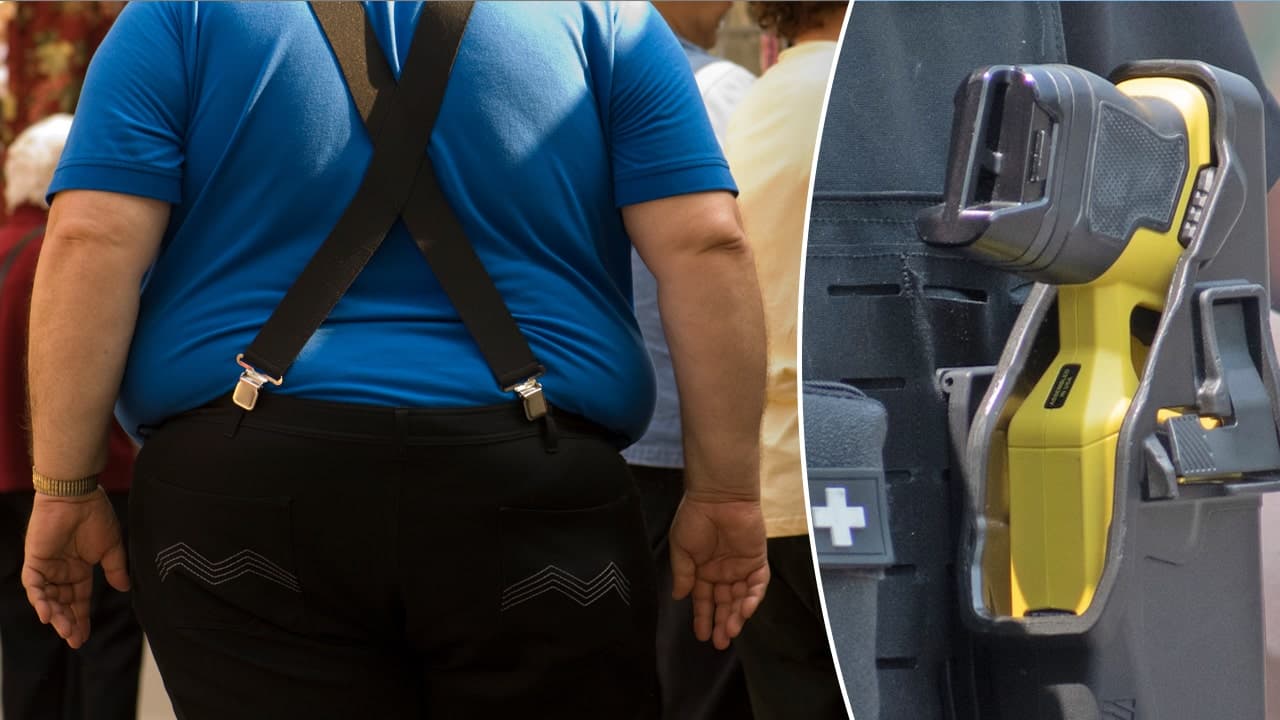
Retired police sergeant Steve Keller said the most common reasons a taser fails are the suspect’s clothing, the exact placement of the probes, substance abuse, and the electrical connection between the two probes.
Keller added that obesity can also reduce effectiveness because a thick layer of fat may interfere with the connection. He explained that if one probe lands on the abdomen of an obese person or hits a heavy jacket while the other lands on muscle, the device may not deliver a proper shock.
Dr. Marc Siegel, a senior medical analyst, agreed that muscle conducts electricity much better than fat. He said that in an obese person it is harder to find an area that allows the taser’s high‑voltage pulse to work efficiently.