

How Ho Chi Minh City’s Low‑Emission Zone Will Change Daily Travel and Offer Financial Support
Khu vực phát thải thấp tại TP.HCM: Thay đổi giao thông và hỗ trợ tài chính
Nguồn: Tuoitre
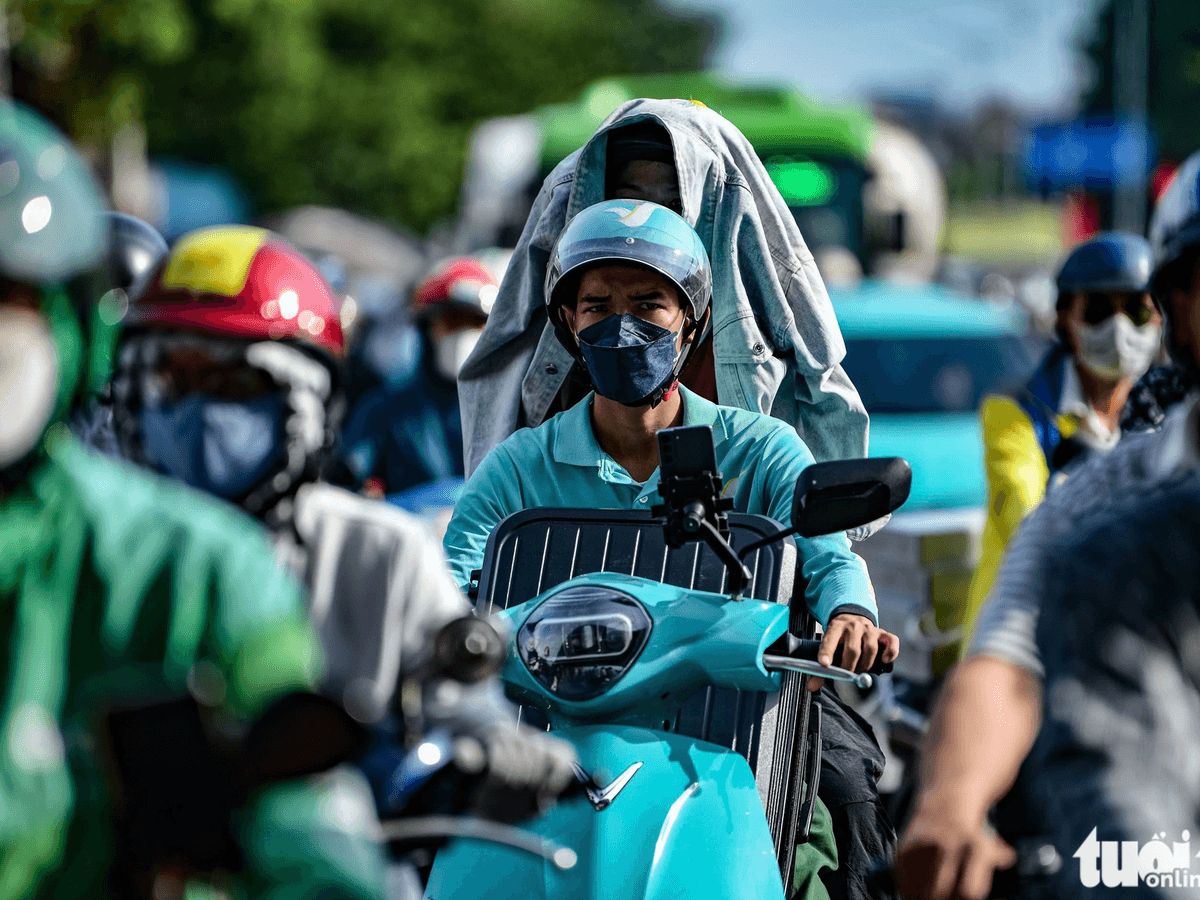
Ho Chi Minh City is preparing a low‑emission zone that will reshape daily travel for commuters, ride‑hailing drivers and families. Understanding the new rules and the financial help offered is essential for anyone who uses a vehicle in the city.
The city will establish its first low‑emission zone on 1 January 2028, covering about 15.6 sq km that includes the existing city centre and the Thu Thiem New Urban Area across the Saigon River. This area will be the first part of the city where vehicle emissions are tightly controlled.
From 2028 through 2029, taxis, contracted passenger vehicles with fewer than nine seats and trucks up to one metric ton must meet Level 5 emission standards to enter the zone, while larger contracted vehicles and passenger buses must meet Level 4 standards. These standards correspond to the strictest Euro‑5 limits on pollutants.
Private cars will have to meet Level 5 standards from 1 January 2032, and gasoline‑powered motorbikes will be completely banned in the low‑emission zone and certain communes on 1 January 2035, with all motorbikes required to reach Level 4 by that date. Vehicles that do not comply may be restricted to night‑time access only.
Subsidies may reach VND 105 million for cars with under nine seats and VND 250 million for larger passenger vehicles in Con Dao, and VND 20 million for poor households buying electric motorbikes. The aid targets low‑income families.
By 2030 the city plans to operate 300 bus routes, seven metro lines totaling about 255 km, 11 park‑and‑ride facilities and a fleet of roughly 8,000 public bicycles, e‑bicycles and e‑motorbikes. Together with the subsidies, these measures give commuters alternatives to private vehicles and help ride‑hailing drivers and households adapt to the cleaner‑transport requirements.
Bạn đã đọc xong bài này
Từ trong bài này
8 từ gợi ý · 0 từ đã tra
Từ gợi ý
Từ bạn đã tra
Bạn chưa tra từ nào trong bài này.
Luyện tập bài này
Luyện tậpĐọc tiếp
 Latest NewsXã hội · A2 · 1 phút đọc
Why Thuan An Ward Stops New Tombs
Vì sao phường Thuận An cấm xây mộ mới
 Latest NewsKinh doanh · A2 · 1 phút đọc
iPhone Duo shortage pushes prices up and brings fraud risk in Vietnam
iPhone Duo khan hiếm đẩy giá tăng vọt, tiềm ẩn rủi ro lừa đảo tại Việt Nam
 Latest NewsCông nghệ · B1 · 1 phút đọc
Why Ho Chi Minh City Needs AI and Institutional Reform to Keep Growing
TP.HCM cần AI và cải cách thể chế để duy trì tăng trưởng