

New Transport Rule Will Shape How Civil Servants Commute and Are Evaluated in Ho Chi Minh City
Quy định giao thông mới: Công chức TP.HCM phải đi xe buýt, metro để được đánh giá
Nguồn: Tuoitre
Ho Chi Minh City has introduced a new rule that directly connects how civil servants travel to their work performance. The change is important for anyone employed in the public sector because it may reshape daily routines and career assessments.
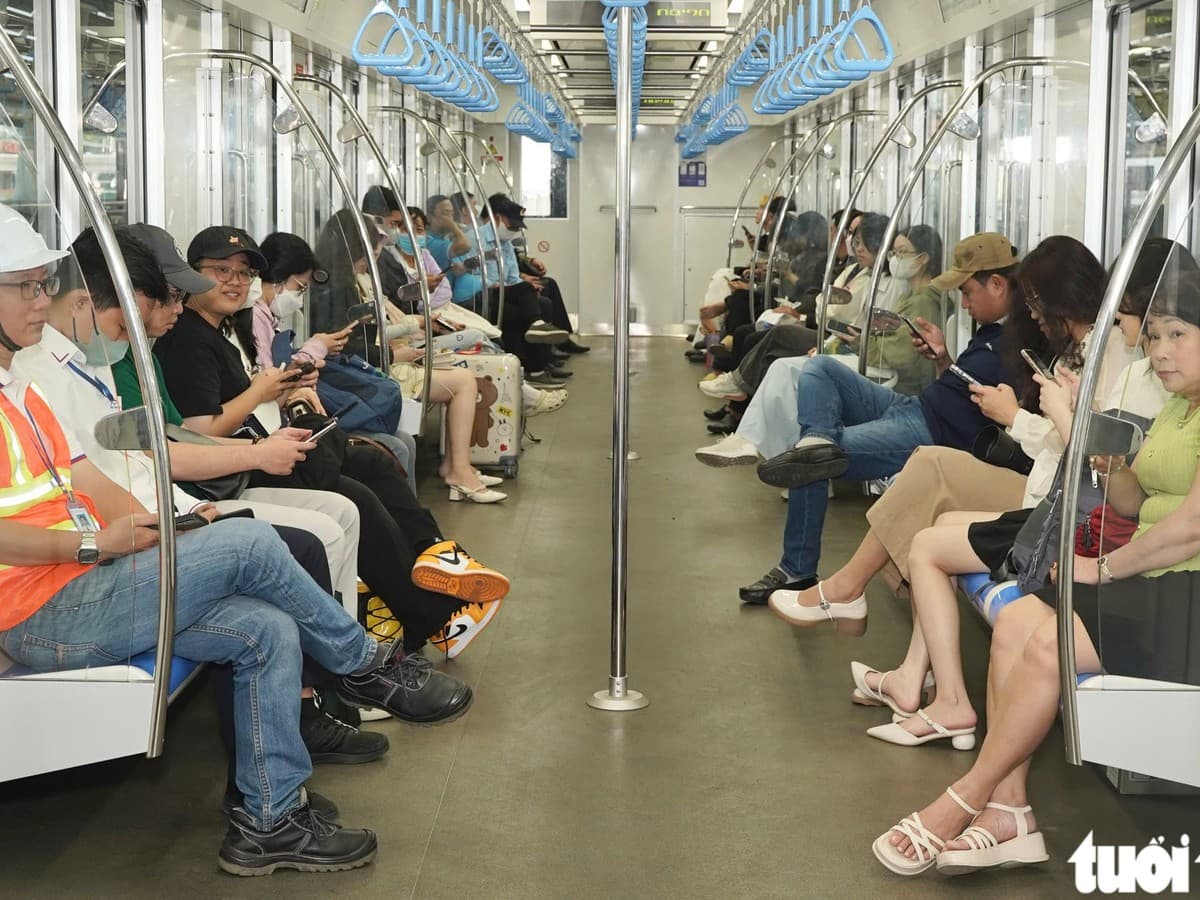
Plan No. 585, issued by the Ho Chi Minh City People’s Committee, requires at least 80 % of civil servants and public employees to use buses, the metro or water buses for commuting, meetings or daily activities at least twice a week. This target applies to each agency and local authority.
The city will record the commuting data and include the results in the periodic annual quality assessments of agencies, as well as in the individual ratings of each employee. Leaders of agencies, organizations and local authorities are expected to lead by example and promote wider public‑transport adoption.
By 2030, the city aims for public transport to meet 15‑20 % of urban travel demand. This long‑term goal reinforces the current push for staff to switch from private cars to collective modes.
Because travel habits will now influence performance scores, civil servants will likely plan their routes to include buses, metro or water buses at least twice a week. Understanding this link helps employees prepare for the new evaluation system.
Bạn đã đọc xong bài này
Từ trong bài này
8 từ gợi ý · 0 từ đã tra
Từ gợi ý
Từ bạn đã tra
Bạn chưa tra từ nào trong bài này.
Luyện tập bài này
Luyện tậpĐọc tiếp
 Latest NewsXã hội · A2 · 1 phút đọc
Why Thuan An Ward Stops New Tombs
Vì sao phường Thuận An cấm xây mộ mới
 Latest NewsKinh doanh · A2 · 1 phút đọc
iPhone Duo shortage pushes prices up and brings fraud risk in Vietnam
iPhone Duo khan hiếm đẩy giá tăng vọt, tiềm ẩn rủi ro lừa đảo tại Việt Nam
 Latest NewsCông nghệ · B1 · 1 phút đọc
Why Ho Chi Minh City Needs AI and Institutional Reform to Keep Growing
TP.HCM cần AI và cải cách thể chế để duy trì tăng trưởng