

How the Vietnam‑EFTA Deal Could Open High‑Tech Jobs for Young Makers
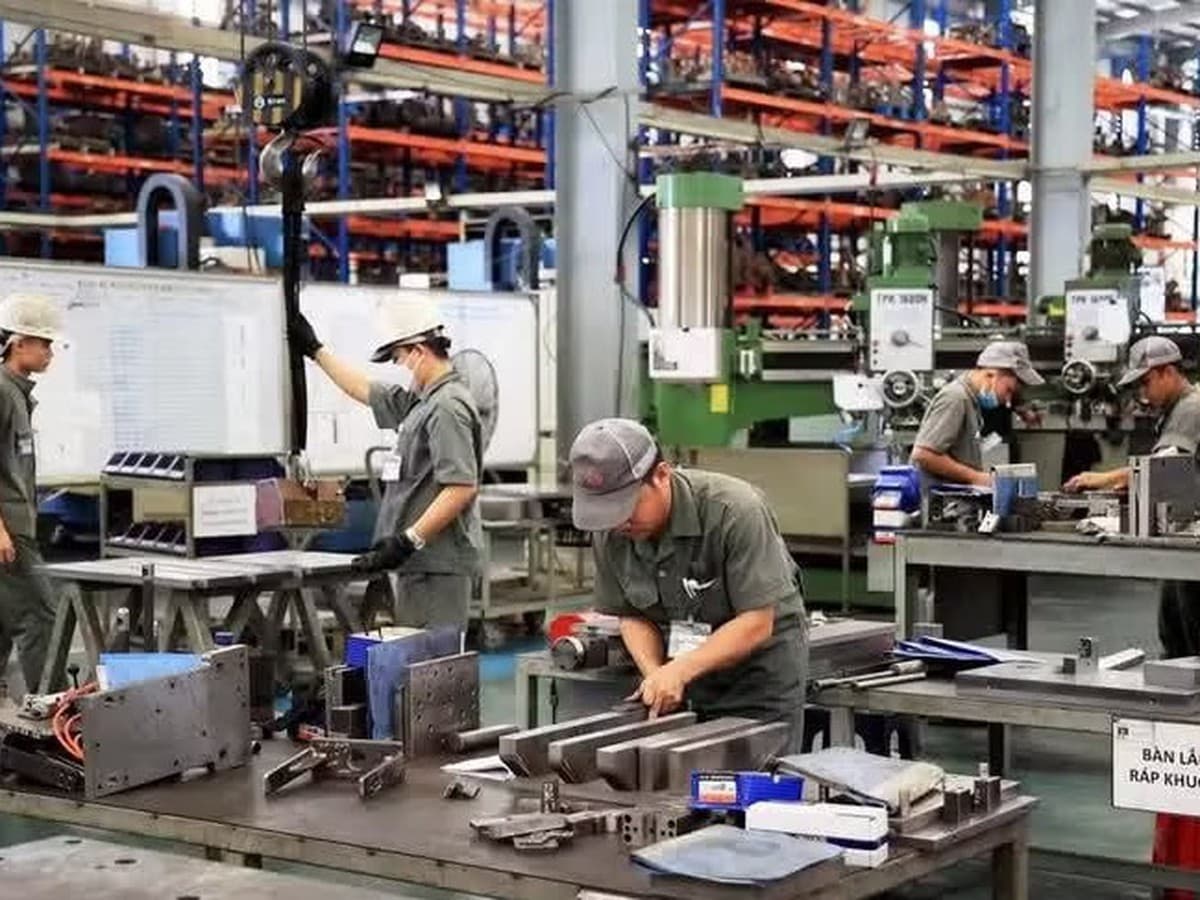
VEFTA, signed on October 18, provides strong tariff cuts for Vietnamese mechanical engineering and electronics businesses, lowering export costs to EFTA markets. These cuts are expected to help local producers compete more easily in Europe.
EFTA members such as Switzerland, Norway, Iceland and Liechtenstein need microchips, specialised electronic equipment, medical devices and precision‑engineered products. They also apply strict rules of origin and require micrometre‑level precision, pushing suppliers to raise quality control.
Nguyen Duc Trung, chairman of Vietnam HBT Precise Mechanical JSC, says exporting aluminium profiles and machine components to EFTA markets demands much stricter technical tolerances, transparent material‑origin records and carbon‑emission data than in other Asian markets. Meeting these requirements is necessary to become an approved supplier.
VEFTA removes tariffs completely on European specialised machinery, making advanced CNC machining systems and automation cheaper to import. Experts say that mastering world‑class equipment and increasing R&D are essential for production autonomy and for winning multimillion‑dollar orders.
In short, the VEFTA agreement gives Vietnamese manufacturers a clear path to adopt cutting‑edge European technology, improve standards, and enjoy a fair, transparent business environment with healthier profit margins that can be reinvested in research. This shift could open a new generation of high‑tech careers for Vietnam’s youth.