

Vietnam's Coffee Needs Climate‑Adaptation to Keep Yields Strong
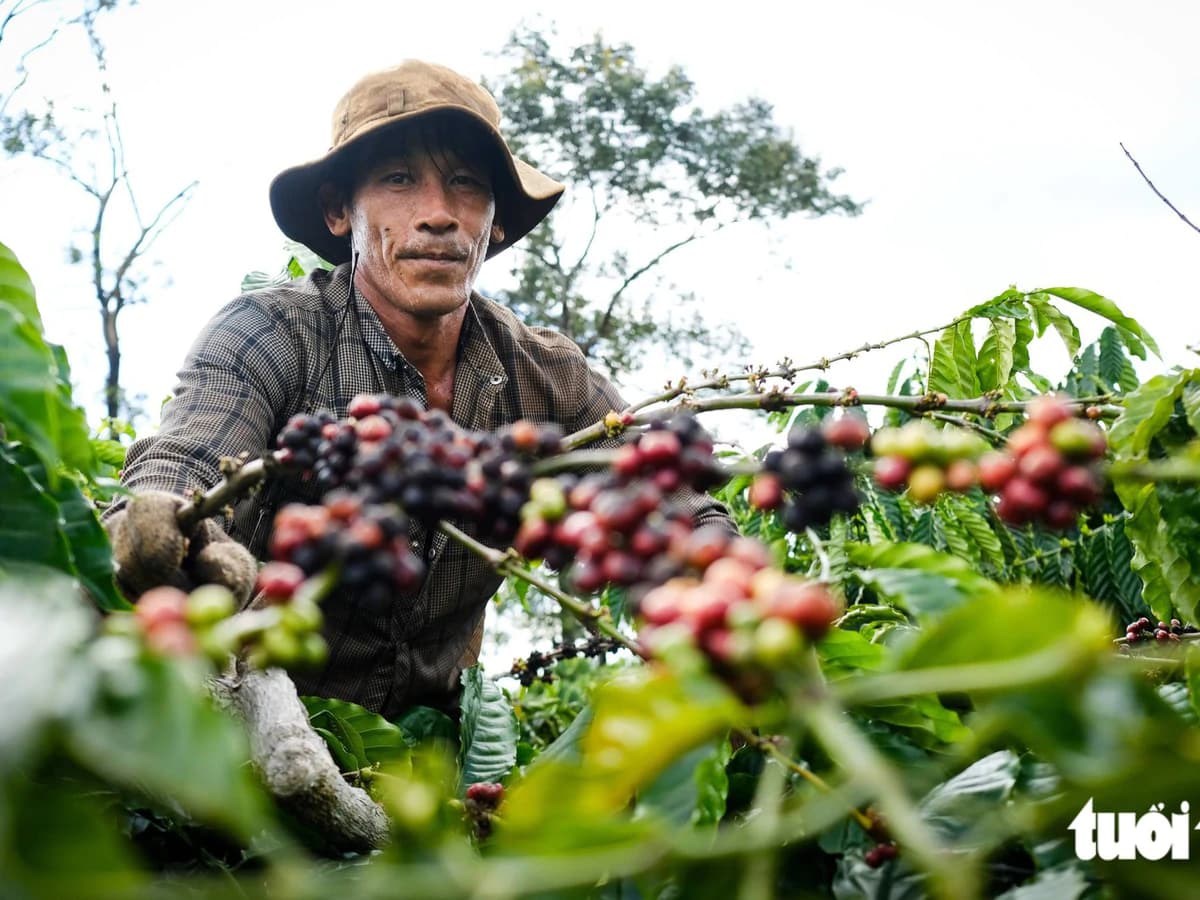
Prolonged drought and unusually heavy rainfall are threatening yields and bean quality in Vietnam's Central Highlands, according to the source article. These opposite extremes make it harder for growers to plan their crops.
Excessive rain this year caused cherries to develop poorly, producing undersized beans and lowering yields. Veteran farmer Nguyen Van An, who has 30 years of experience in Gia Lai's Bien Ho Commune, expects his output to fall by around 20 percent compared with the previous crop.
Other growers, such as Ta Thi Huyen, say the prolonged rain has encouraged fungal diseases, mealybugs and anthracnose, and has washed away pesticides shortly after they were applied, reducing their effectiveness and cutting overall yields. The same conditions have also led to many young cherries dropping before they can be harvested.
Nafoods Group CEO Nguyen Manh Hung warned that extreme weather could cut raw‑material output, disrupt harvest schedules and trigger price volatility in the global Robusta market. He proposed five groups of adaptation measures: selecting varieties suited to local conditions; improving water management and adopting water‑saving irrigation; restoring soil health and diversifying farming practices; using data to monitor weather, pests and diseases; and strengthening links among farmers, cooperatives and businesses.
The coffee sector must act now to adopt these climate‑adaptation strategies. Protecting yields and quality will help Vietnam keep its leading role in the world Robusta market while shielding farmers from future weather shocks.