

Why the UN’s Adoption of the Equal Earth Map Matters for Global Fairness
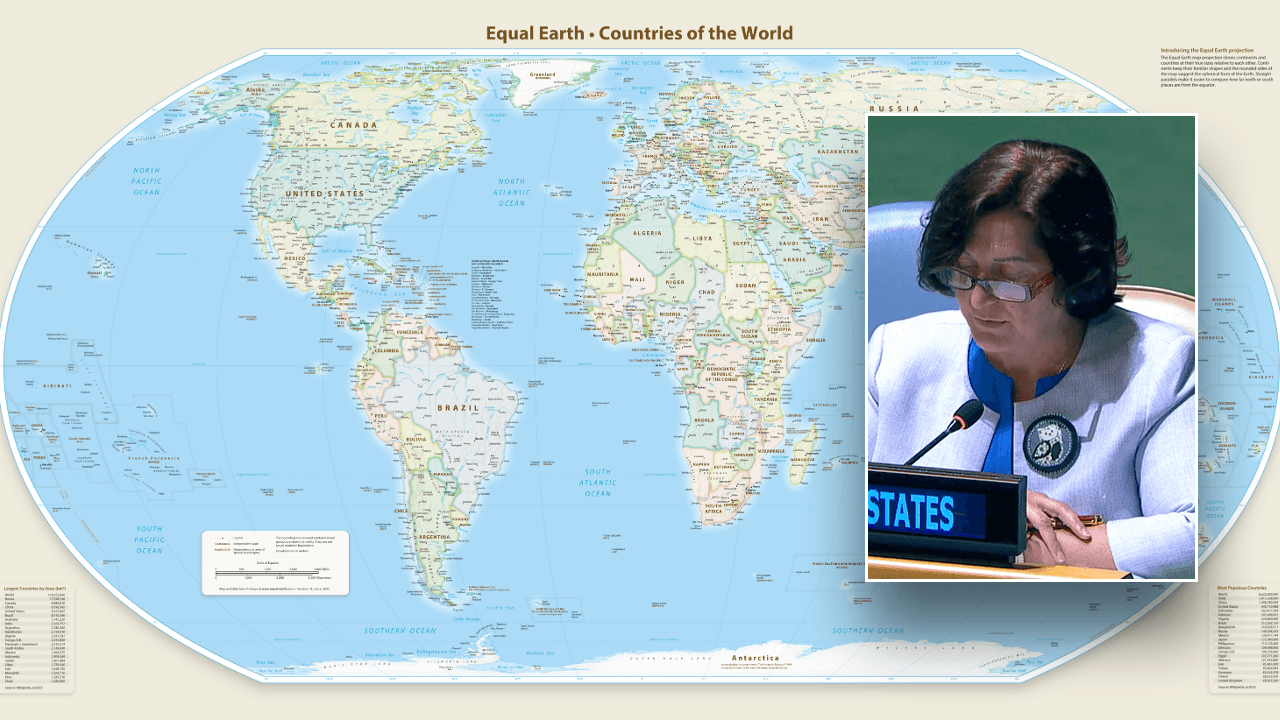
Six nations – Estonia, Georgia, Lithuania, Moldova, Serbia and Ukraine – abstained from the vote. The resolution was introduced by Togo’s foreign minister Robert Dussey on behalf of the African Group, who said a fair map does not change geography but changes how we see the world, paving the way for greater respect and peace among nations.
The Equal Earth projection differs from the traditional Mercator projection, which enlarges land near the poles and shrinks regions near the equator, making Africa appear far smaller than it actually is; the new map therefore offers a more accurate visual representation of global size.
Ferencevych described the resolution as part of a “much larger and more radical ideological project,” arguing that it distracts from the UN’s core work on peace, prosperity and good international relations.
The measure does not require countries or companies to abandon Mercator maps, but it gives the UN’s official backing to equal‑area maps as the preferred way to depict the world, signalling a shift toward more equitable geographic storytelling.