

Why the Lindsay Clancy Trial Ended in a Mistrial and Became a ‘Kangaroo Court’ Debate
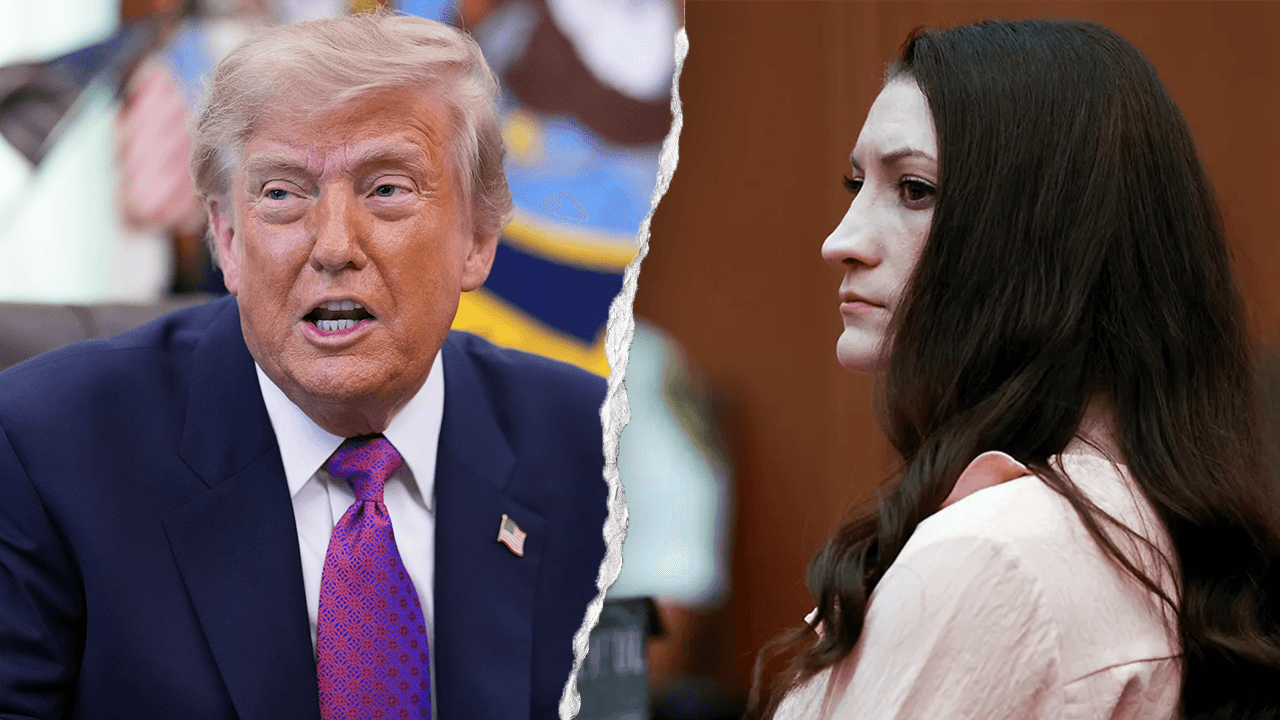
After six weeks of testimony, the jury could not reach a unanimous decision. Eleven jurors voted to acquit while one juror refused to join them, resulting in an 11‑to‑1 deadlock and a mistrial declared on Sept. 4.
Clancy’s defense did not deny the killings but argued she was not guilty by reason of insanity, claiming she suffered from postpartum psychosis and had been prescribed 13 psychiatric medications in the months before the deaths.
President Donald Trump said he had been following the case, expected another trial, and warned that Clancy will “pay the price” for the children’s deaths.
Republican officials also weighed in. Florida Governor Ron DeSantis called the mistrial a “miscarriage of justice” and wrote that the victims deserved “far, far better than a kangaroo court.” Rep. Michael Rulli (R‑Ohio) labeled the trial itself a “kangaroo court,” adding that only one juror had the courage to hold a serial killer accountable.
The contrasting reactions illustrate how a hung jury can produce a mistrial, while political figures may use strong language to shape public perception of the legal process.