

Why Couples ‘Quiet Quit’ Their Marriage and What Drives the Emotional Withdrawal
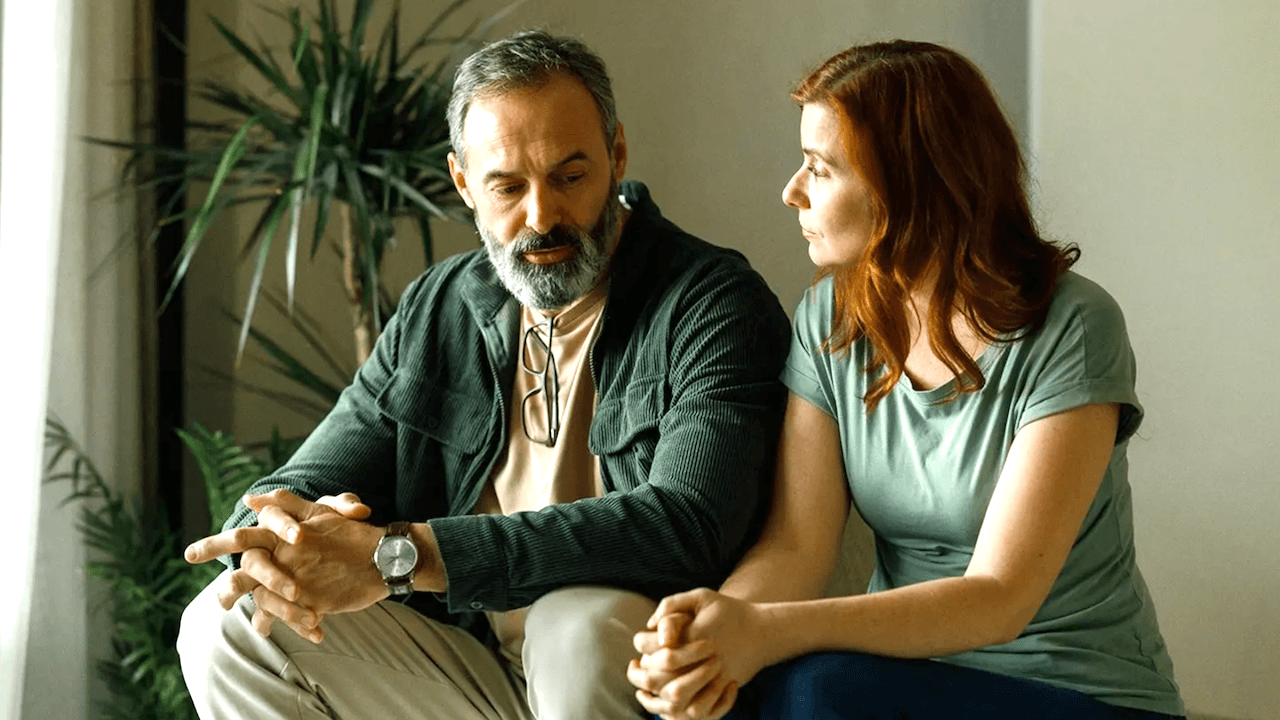
Experts say several motivations lie behind the drift. Sexton notes that some people prefer to avoid the drama of divorce and may even seek sympathy by casting themselves as the victim. Dr. Mindy DeSeta, a clinical sexologist and licensed mental health counselor in Miami, adds that the withdrawal often becomes clear after major life‑stage changes – when children leave home or couples reach retirement – because the daily distractions fade and the emotional gap is exposed.
The signs are usually subtle. DeSeta describes couples who start doing different activities, go to bed at different times, or let phones become the “third member” of the relationship. When one partner scrolls through a phone during a movie, it signals a choice to prioritize the device over shared quality time.
Why does this matter? Sexton warns that a lack of effort can be a bigger warning sign than frequent fighting, because the opposite of love is not hate but indifference. When partners stop trying, the relationship can erode quietly, long before any major conflict appears.
Both professionals recommend small, active steps to rebuild connection. Sexton suggests simple gestures such as good‑morning texts, handwritten notes, or sharing a song that holds a romantic memory. DeSeta adds that asking personal questions like “How was your day?” and making a habit of brief, positive interactions can reignite emotional engagement without grand gestures.