

Why Presidents Oust Top Generals: From Lincoln to Trump’s Pentagon Turnover
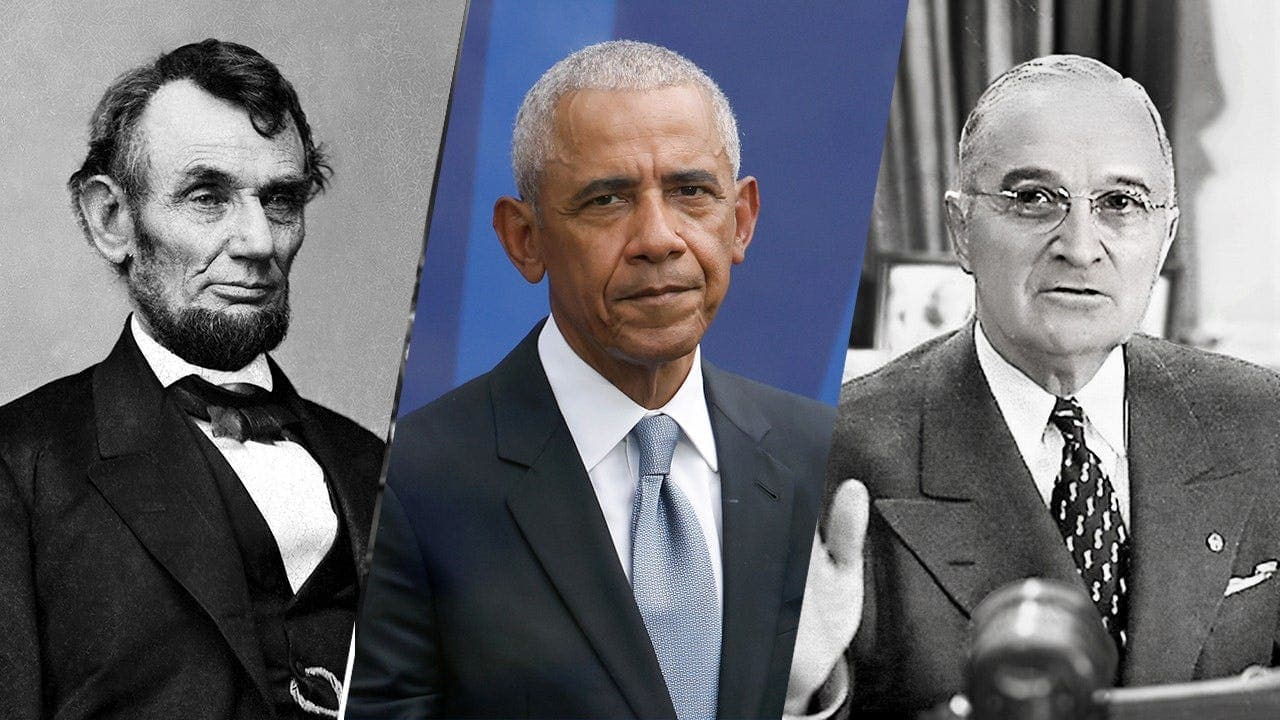
Presidents from Abraham Lincoln to Harry Truman have removed senior military leaders when they lost confidence, disagreed over strategy, or wanted a different direction.
Lincoln’s decision to fire Gen. George McClellan came after the general’s cautious tactics frustrated the president during the Civil War. Later, Harry Truman dismissed five‑star General Douglas MacArthur because the two clashed over how to conduct the Korean War, with Truman fearing an expansion of the conflict into China.
More recently, President Barack Obama accepted Defense Secretary Chuck Hagel’s resignation in 2014 after the administration concluded that new Pentagon leadership was needed amid disagreements over the strategy against ISIS, Syria policy and overall department management.
Under Trump’s second term, at least 20 senior military leaders have left, according to a CBS report. The departures are linked to clashes with Secretary Hegseth over his leadership style, overall military strategy, and disagreements about diversity, equity and inclusion (DEI) policies.
Senators have voiced concern. North Carolina Republican Thom Tillis warned that Hegseth is "creating a leadership void at the top of our military ranks," while Democratic ranking member Jack Reed said the secretary is "cultivating a culture where dissent is punished, and competence is secondary to personal allegiance."
Trump quickly named Adam Telle, the former Assistant Secretary of the Army for Civil Works, as acting secretary of the Army, praising him as a "great patriot" who would immediately take over after Driscoll’s resignation.
The speed of today’s turnover raises questions about whether the changes will strengthen the military’s readiness or leave critical gaps. Historically, presidential removals have been a tool of civilian control, ensuring that the armed forces follow the elected leader’s strategic vision.